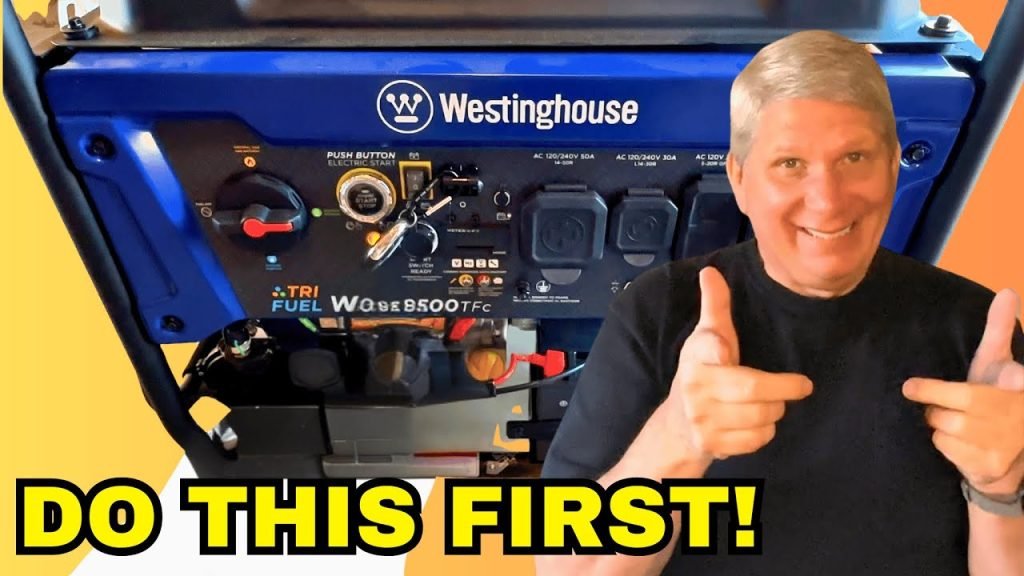
Breaking in a new diesel generator is like nurturing a fresh start. You’ve invested in a reliable power source, and now it’s time to ensure it serves you well for years to come.
But where do you begin? You might wonder about the steps needed to optimize performance and extend your generator’s life. Imagine having a generator that runs smoothly whenever you need it—no hiccups, no unexpected shutdowns. This peace of mind is within your reach.
In this guide, you’ll discover simple, actionable steps to properly break in your new diesel generator. By following these tips, you can enhance efficiency, prevent costly repairs, and safeguard your investment. Are you ready to unlock the full potential of your generator? Let’s dive in and ensure your new powerhouse is ready to deliver dependable energy whenever you need it.

Credit: bluedotme.com
Preparing Your Generator
Check the diesel generator for any visible damageor leaks. Look for broken parts or loose wires. Ensure all bolts and nuts are tight. Confirm the fuel tank is clean and secure. Verify the oil level is correct. Make sure there are no strange smells or noises. Regular checks help keep the generator safe and working well.
- Wrench setfor tightening bolts
- Screwdriverfor opening panels
- Clean clothfor wiping surfaces
- Oiland fuelfor refilling if needed
- Manualfor guidance and tips
Wear gloves to protect your hands. Use goggles to protect your eyes. Keep a fire extinguisher nearby just in case. Ensure the area is well-ventilated to avoid fumes. Don’t wear loose clothing near moving parts. Always follow the safety instructions in the manual. Safety first!
Credit: www.youtube.com
Initial Setup
Proper initial setup is crucial for a new diesel generator. Start by checking oil and coolant levels. Ensure all connections are secure. Run the generator without load for a few hours. Gradually introduce load, allowing the engine to adapt. This helps extend the generator’s lifespan and ensures efficient operation.
Choosing The Right Location
Pick a spot that is flat and stable. The generator needs fresh air, so find a place with good ventilation. Keep it away from windows and doors. This helps avoid any harmful fumes inside. Ensure the location is dry and sheltered. Rain can damage the generator. Check the distance from the power connection. It should be close but safe.
Installing The Generator
Place the generator on a solid base. Secure it to prevent vibrations. Connect the fuel line carefully. Make sure there are no leaks. Attach the power cables correctly. Wrong connections can cause damage. Double-check all connections before starting. Everything should be tight and secure. This prevents any accidents. Follow the manufacturer’sinstructions closely.
Fuel And Oil Requirements
Breaking in a new diesel generator requires using high-quality diesel and proper oil. Ensure the fuel is clean and free from contaminants. Use the recommended oil type for optimal performance and longevity.
Selecting Quality Diesel Fuel
Always choose high-quality diesel fuelfor your generator. Poor fuel can damage parts. Look for fuels with low sulfur content. This keeps emissions low. Ensure the fuel is fresh and clean. Dirt can clog the system. Store fuel in a cool, dry place. This helps maintain its quality.
Checking Oil Levels
Check oil levels before startingthe generator. Low oil can cause damage. Use a dipstickto measure the oil. Clean the dipstick before use. Ensure the oil is at the recommended level. Add oil if needed. Use generator-approved oil. This ensures smooth operation. Regular checks keep the generator running well.
Starting The Generator
Priming ensures the fuel reaches the engine smoothly. Check the fuel level in the tank. Open the fuel valve carefully. Allow fuel to fill the lines completely. Inspect for leaks around connections. Tighten any loose fittings. This prevents air from entering the fuel system.
Ensure all connections are secure and safe. Turn on the main power switch. Listen for any strange sounds. Check the oil level before starting. Use the starter to ignite the engine. Observe the generator for proper function. Let it run for a few minutes. This helps the engine warm up. Check exhaust for smoke or unusual smells. Adjust settings for optimal performance.
Load Testing
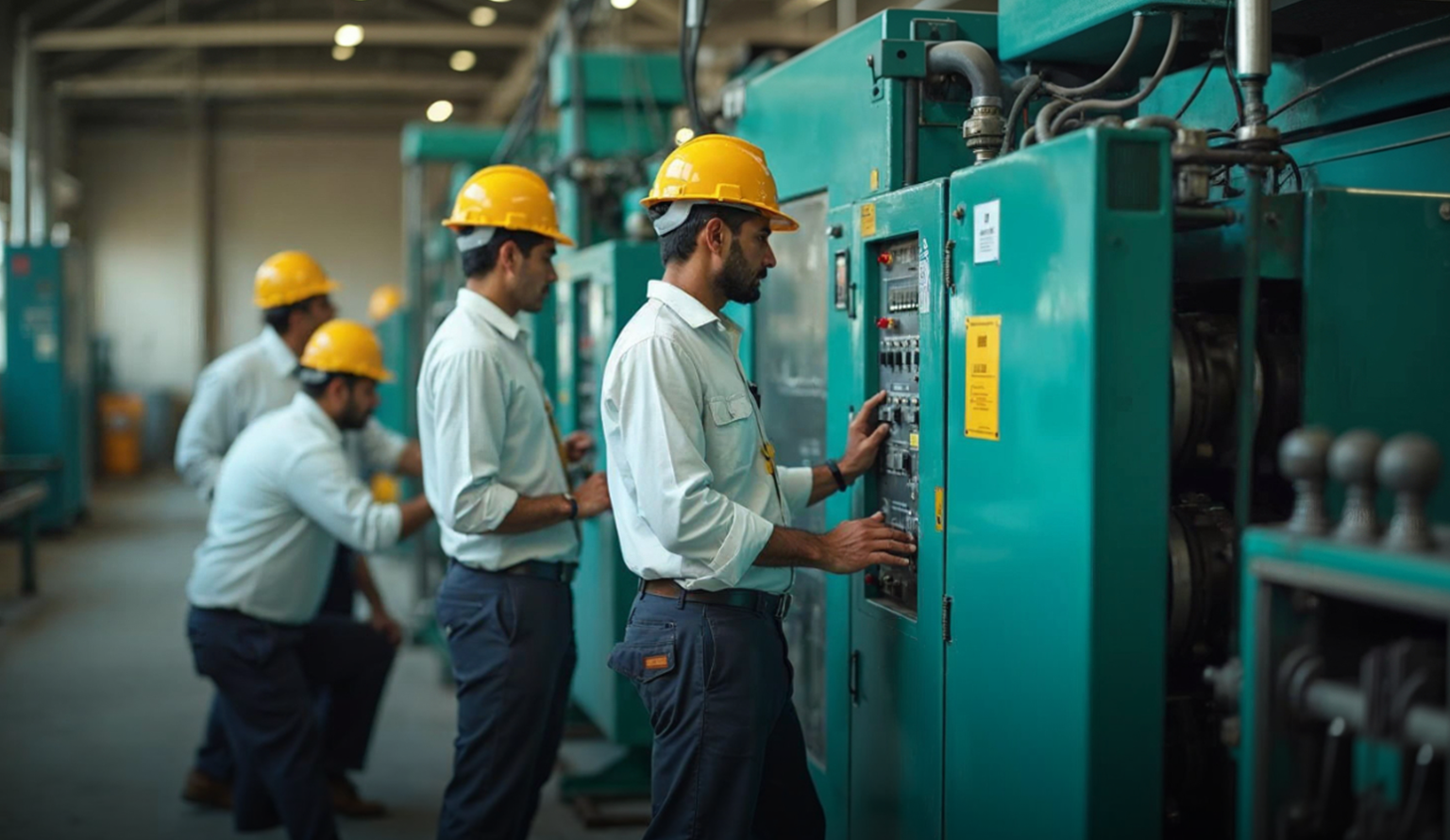
Load testing a new diesel generator helps ensure its reliability and efficiency. Begin with low loads, gradually increasing to the generator’s full capacity. This process identifies any potential issues early, ensuring the generator operates smoothly under various conditions.
Understanding Load Capacity
The load capacity of a generator is crucial. It tells how much power it can handle. Overloading can damage the generator. It’s important to know the maximum load it can support. Check the manual for details. Always stay within safe limits. This ensures smooth operation and long life.
Gradual Load Application
Apply the load slowly and in stages. Start with a small load. Let the generator run for a while. Then, increase the load gradually. This helps the generator adjust. It prevents sudden stress on the engine. Gradual load application ensures the engine warms up properly. This method enhances performance and reliability.
Credit: www.jakson.com
Monitoring Performance
Monitoring performance is essential when breaking in a new diesel generator. Track fuel efficiency and engine temperature closely. This ensures optimal operation and longevity.
Checking Temperature And Pressure
Always check the temperatureof your diesel generator. It should stay within safe limits. High temperature can be bad for the engine. Use a gauge to monitor the pressuretoo. If pressure is too low, it may cause damage. Keep records of these readings. They help in identifying any problems early.
Listening For Unusual Sounds
Listen carefully when the generator is running. Any unusual soundsmight mean trouble. A clanking noise can be a sign of a loose part. A hissing sound may indicate a leak. Regular listening helps in catching issues quickly. This keeps the generator safe and sound.
Routine Maintenance
Oil keeps the engine parts moving smoothly. Change the oil every 100 hours. Use the right oil type for your generator. Check the oil level before each use. Low oil can harm the engine. Keep a log of oil changes for easy tracking.
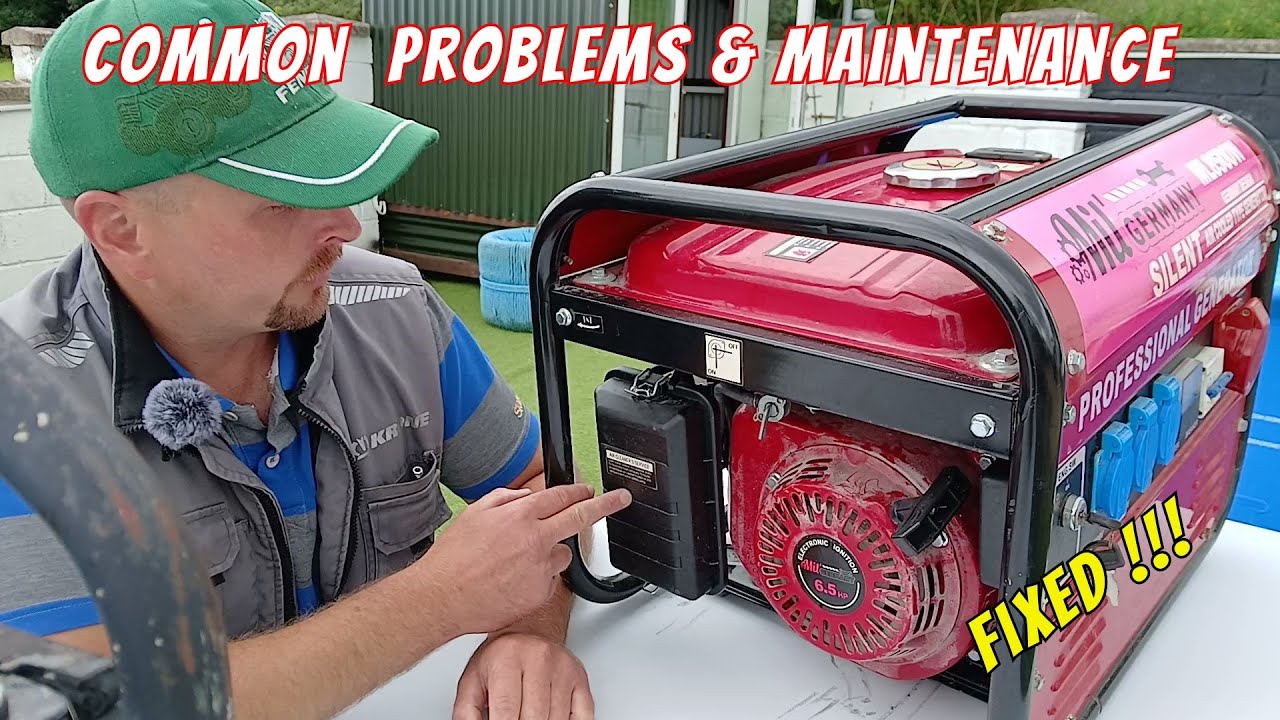
Filters keep dirt out of the engine. Check the air filter every 50 hours. Clean or replace it as needed. Belts help parts move correctly. Look for any cracks or wear in belts. Tighten or replace belts if needed. This helps the generator run well.
Troubleshooting Tips
Breaking in a new diesel generator involves running it at half load for several hours. Gradually increase the load to ensure optimal performance. Regular maintenance checks help identify potential issues early.
Common Startup Issues
Starting a new diesel generatorcan be tricky. Sometimes, the generator won’t start. Check the fuel levelfirst. Low fuel can stop it from working. Look for loose wiresor connections. Tighten them to ensure everything is connected. The batterymight be weak. Charge it fully before trying again. Ensure the air filteris clean. A dirty filter can block airflow, causing problems.
Addressing Performance Problems
If the generator is running poorly, check the oil level. Low oil can damage parts. Listen for strange noises. These could mean there’s a problem inside. Ensure the exhaustis clear. Blockages can affect performance. Regular checks help keep the generator running smoothly. Look for leaksand fix them quickly. Leaks can cause major damage.
Frequently Asked Questions
How To Break In A Diesel Generator?
To break in a diesel generator, run it at half load for 20 hours. Gradually increase the load over time. Monitor temperature and oil levels regularly. Follow the manufacturer’s guidelines closely. Proper break-in enhances performance and longevity.
How Long Should You Break In A New Generator?
Break in a new generator by running it for 5 hours under light load. Change the oil and filter afterwards for optimal performance. Properly breaking in your generator ensures longevity and efficiency. Follow manufacturer guidelines for the best results and maintain your generator regularly for smooth operation.
How Do You Break In A Brand New Generator?
Break in a new generator by running it for 3-5 hours at varying loads. Use fresh fuel and check oil levels. Follow the manufacturer’s instructions for maintenance. This ensures optimal performance and longevity.
How To Prep A New Generator?
Check oil level and fill fuel. Connect the battery and inspect air filters. Secure all connections. Test generator by running it for a few minutes.
Conclusion
Breaking in a diesel generator is essential. Follow steps carefully. Start with low loads. Gradually increase over time. Monitor performance closely. Check oil and coolant levels. Inspect parts regularly. Listen for unusual noises. Pay attention to fuel consumption. Proper break-in ensures long life.
Your generator will run efficiently. Maintenance becomes easier. Reliability improves greatly. Avoid costly repairs. Save money and time. Protect your investment wisely. Enjoy peace of mind. A well-maintained generator is dependable. Ready for emergencies. Stay prepared always. Keep your power source strong.