
Imagine a storm knocks out your power. Suddenly, you’re left in the dark, scrambling to protect your home and family.
A standby generator can be a lifesaver in such situations, providing you with peace of mind and uninterrupted power. But before you dive into purchasing one, you need to consider the costs involved. Budgeting for a standby generator installation might seem daunting, but with the right approach, you can make it affordable and stress-free.
In this guide, you’ll discover the essential steps to smartly budget for your generator installation. We’ll help you understand what factors affect the cost and how to navigate them. You’ll learn tips that will empower you to make informed decisions, ensuring that your investment is both sensible and secure. Prepare to take control of your power needs with confidence, and read on to unlock the secrets of efficient budgeting for your standby generator.

Credit: aquariushomeservices.com
Benefits Of A Standby Generator
Plan effectively for a standby generator installation by considering all costs involved. Calculate equipment, labor, and maintenance expenses to avoid surprises. Proper budgeting ensures you have reliable backup power when needed.
Reliable Power Supply
A standby generator offers a reliable power supplyduring outages. Lights stay on, fridges keep running, and you can use your devices. You won’t need candles or flashlights. Kids can continue watching TV or playing games. A backup generator brings peace and comfort. No more worries about spoiled food or being in the dark.
Increased Property Value
Having a generator can boost your property’s value. It makes your home more attractive to buyers. Buyers like homes with extra power safety. It can be a deciding factor for them. A generator is a smart investment for the future. It adds to your home’s appeal and functionality.
Safety And Comfort
Generators ensure safety and comfortduring power cuts. Medical devices keep working without a hitch. Security systems remain active and alert. Heating or cooling appliances continue operating. This keeps your home comfortable and safe. Generators provide a sense of security for your family.
Assessing Your Power Needs
Identify the most important appliances in your home. These may include the refrigerator, heating system, and lights. Think about what you need when power is out. Make a list of all these essential items. This helps in planning the generator size.
Calculate the wattage each appliance uses. Check the appliance label for this information. Add all the wattages together. This total is the minimum power your generator must provide. Remember, some appliances need extra power to start.
Consider any future power needs you might have. New appliances can change your power needs. Plan for extra capacity in your generator choice. This avoids needing a bigger generator later. It’s smart to prepare for future changes.
Choosing The Right Generator
Generators come in different types. Portable generators are small and movable. They can power a few appliances. Standby generators are bigger. They turn on automatically during a power cut. Inverter generators are quiet and efficient. They are good for sensitive devices like computers.
Generators use different fuels. Some use gasoline. It is easy to find but burns fast. Others use diesel. Diesel is efficient and lasts longer. Natural gas generators connect to gas lines. They are convenient and have a steady supply. Propane is another option. It is clean and burns evenly.
Size matters for generators. A small generator powers few items. A large one can run the whole house. Calculate your power needs first. List all essential appliances. Check their wattage. Add them up for total power needs. Choose a generator that meets these needs.
Estimating Installation Costs
Planning for a standby generator installation involves assessing various costs. Consider equipment, labor, permits, and potential upgrades. Accurate budgeting ensures smooth project execution.
Generator Unit Price
Start with the generator’s price. Prices vary based on size and type. A small home might need a 7kW generator. A larger home could need a 20kW unit. Prices can range from $2,000 to $5,000 or more. Research different brands for the best deal.
Electrical Work
Hiring an electricianis crucial. They will connect the generator to your home’s system. Costs depend on the complexity of the setup. Simple setups might cost a few hundred dollars. Complex ones could be much more. Always get quotes from multiple electricians.
Permits And Inspections
Local laws might require permits. These ensure your installation is safe. Permit costs vary by location. Inspections might be needed after installation. Check with local authorities for exact costs. Budget for these to avoid surprises.
Additional Expenses To Consider
Consider permit fees, professional installation costs, and potential electrical upgrades. These can significantly impact your budget. Unexpected expenses like fuel storage solutions might also arise.
Maintenance Costs
Generators need regular check-ups to work well. Maintenance includes oil changes and filter replacements. This keeps the generator running smoothly. Costs can vary based on generator size. Smaller generators might cost less. Larger ones may need more frequent checks. This ensures safety and reliability.
Fuel Storage Solutions
Fuel needs a safe place for storage. Proper storage prevents spills and accidents. Choose a tank size that fits your generator needs. Some fuels need special containers. This avoids leaks and fire risks. Storage must be secure and weatherproof.
Warranty And Insurance
A warranty covers repairs and replacements. It helps if something breaks unexpectedly. Insurance protects against damage or theft. Check what each covers before buying. Understand the terms and limits. This ensures peace of mind.
Credit: shgeneratorset.com
Financing Options
Exploring financing options eases budgeting for standby generator installation. Consider loans, credit cards, or payment plans to spread costs.
Loans And Credit
Many banks offer personal loansfor home projects. You might need a good credit score. Some banks have low-interest options. Credit cards can be used, but rates might be high. It’s wise to compare terms before choosing.
Manufacturer Financing
Some generator companies offer financing plans. These plans can spread payments over months or years. They often have low interest rates. You need to check the terms carefully. This can be a good option for many buyers.
Government Incentives
Some governments offer tax creditsor rebates for installations. It’s important to check your local rules. These incentives can help reduce overall costs. Sometimes, they cover a big part of the expense. This can make the purchase more affordable.
Saving Tips For Your Budget
Careful planning helps manage costs for generator installation. Begin by researching average prices and comparing brands. Prioritize essential features and seek professional advice for accurate estimates.
Energy-efficient Choices
Choose energy-efficient generators for long-term savings. They use less fuel and work better. Look for Energy Star ratings for trusted options. Consider solar-powered models to reduce costs. These options are friendly to the environment. They save money over time. Spend wisely on features you truly need.
Diy Possibilities
Some generator tasks you can do yourself. Basic installation steps are often easy. Simple tools and guides help. You save money on labor costs. Always ensure safety first. Follow guides or watch videos for help. Safety gear is important. Ask a friend for help if needed.
Negotiating With Contractors
Talk to contractors for better prices. Get multiple quotes to compare. Ask for discounts or package deals. Contractors may offer better rates. Be clear about your budget limits. Discuss payment plans for ease. Good communication leads to savings.
Preparing For Installation Day
Estimating costs accurately ensures a smooth generator installation. Consider factors like equipment, labor, and permits. Planning ahead helps prevent unexpected expenses and keeps your budget intact.
Site Assessment
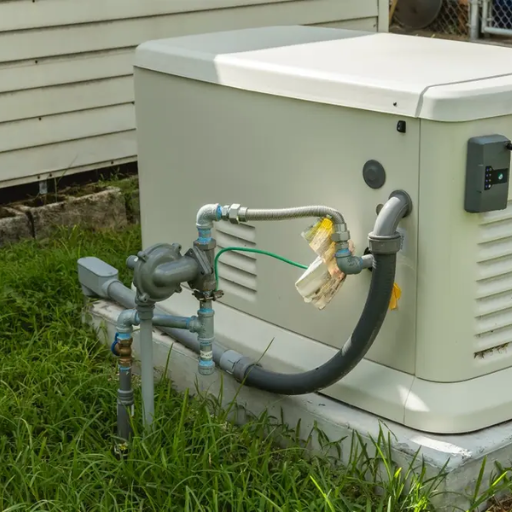
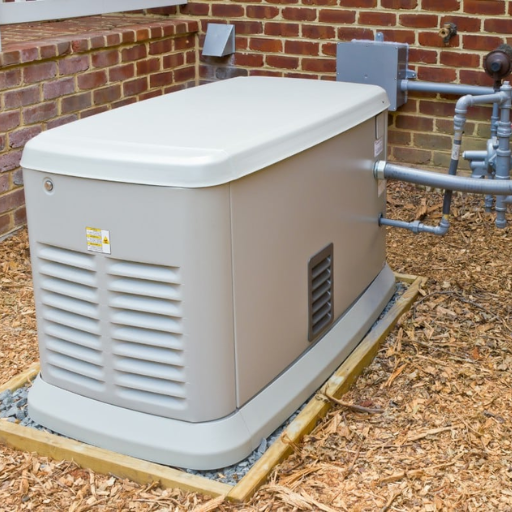
Before installing a standby generator, check the site conditions. Ensure there’s enough space for the generator. Look for a spot away from windows and doors. The area should be dry and level. This helps in proper generator function. Also, check for easy access to fuel lines.
Professional Installation
Hiring a professional is crucial for a safe installation. They have the knowledge and toolsneeded. Professionals ensure all parts are connected right. They follow local codes and guidelines. This prevents potential problems later on.
Testing And Safety Checks
Once installed, the generator needs testing. This ensures it works when needed. Professionals will run the generator and check its operations. Safety checks are done to prevent accidents. Always ask about these checks to stay informed.
Credit: shgeneratorset.com
Frequently Asked Questions
What Is The Labor Cost To Install A Standby Generator?
Labor costs for installing a standby generator typically range from $500 to $3,000. Factors include generator size, complexity, and local rates. Consult local professionals for precise estimates tailored to your specific project needs.
How Much Does It Cost To Put In A Generac Standby Generator?
Installing a Generac standby generator typically costs between $5,000 and $10,000. This includes the unit, installation, and labor fees. Prices can vary based on generator size, installation complexity, and location. Always consult a professional for an accurate quote tailored to your specific needs.
Why Is Generator Installation So Expensive?
Generator installation is costly due to labor, equipment, permits, and complexity. Skilled professionals ensure safe and efficient setup. Quality materials and compliance with local codes add to the expense. Proper installation prevents future issues, offering long-term savings and reliability. Investing in expert service enhances performance and safety.
How Much Would A Generator Cost For A 2000 Sq Ft Home?
A generator for a 2000 sq ft home typically costs between $3,000 and $6,000. Prices vary based on brand, type, and power output. Installation costs may add $500 to $1,500. Consider long-term fuel costs and maintenance when budgeting. Always choose a reputable brand for reliability.
Conclusion
Planning for a standby generator involves smart budgeting. Start with understanding costs. Consider installation expenses. Maintenance fees matter too. Do research on reliable brands. Compare prices and features. Consult experts for advice. Keep some money aside for unexpected costs. Investing in a generator ensures power during outages.
It’s about preparedness and peace of mind. A well-thought-out budget makes the process smoother. Save time and avoid stress. Take control of your home’s energy needs. Make informed decisions. Stay powered up when it counts. Planning today leads to comfort tomorrow.