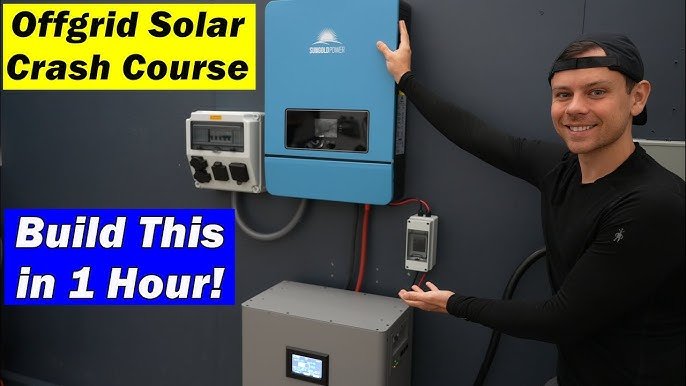
Imagine harnessing the power of the sun to keep your home running smoothly, even during a power outage. Building a 5000-watt solar generator can be your ultimate solution for energy independence.
It’s not just about saving money on electricity bills; it’s about gaining control over your energy sources. You might be thinking this sounds complicated, but you’ll find it’s more straightforward than you expect. This guide is designed to walk you through each step, making the process simple and manageable.
As you read on, picture yourself as the architect of your own energy future. You’ll learn how to select the right components, assemble them effectively, and ensure your solar generator works flawlessly. You don’t have to be a tech wizard to make this happen; all you need is a bit of enthusiasm and the willingness to follow a proven path. Stick with us, and by the end of this article, you’ll have the confidence to build a powerful and efficient solar generator tailored to your needs. Ready to take control of your energy? Let’s dive in.
Choosing The Right Components
Choosing the Right Components Select high-efficiency solar panels and a reliable inverter. Ensure batteries have adequate capacity for storage.
Solar Panels Selection
Solar panels capture sunlight to make electricity. Pick panels that offer high efficiency. More efficiency means more power. Consider the size and cost. Some panels are big but produce less power. Choose panels that fit your budget and space.
Battery Types And Capacity
Batteries store energy for later use. Choose between lead-acid or lithium-ion. Lithium-ion lasts longer but costs more. Decide on capacity. Capacity means how much power it can hold. Bigger capacity means more stored power.
Inverter Options
Inverters change solar power into usable power. Pick an inverter based on wattage needs. Higher wattage supports more devices. Ensure it matches your generator’s total wattage. Some inverters are pure sine wave. They provide cleaner power for sensitive devices.
Charge Controller Features
Charge controllers protect batteries from overcharging. Look for ones with multiple modes. Modes help manage charging better. Some have LCD displays. Displays show useful information like battery level. Pick a controller that fits your panel and battery system.
Calculating Energy Needs
Understanding your energy needs is vital to building a 5000-watt solar generator. Calculate daily power consumption to determine the size and capacity required. Factor in appliances, lighting, and any other devices to ensure efficient energy production and storage.
Assessing Daily Energy Consumption
List all devices you use daily. Check each device’s power rating. This tells you how much energy they need. Multiply the power by hours used. Add all results together. This is your total daily energy use. It’s important to know this for your solar generator.
Estimating Solar Panel Output
Solar panels have different power outputs. Check the panel’s watt rating. Multiply this by sunlight hours in your area. This gives you daily energy from the panel. Compare this with your energy needs. Ensure panels provide enough power.
Battery Storage Requirements
Batteries store energy for later use. Calculate storage needs based on energy usage. Check battery capacity in watt-hours. Ensure it matches or exceeds daily energy needs. This keeps devices running even without sunlight.
Designing The System Layout
Solar panels need sunlight to produce energy. Place panels on a roof or open space. Ensure no trees or buildings block the sun. Panels work best when facing south. Tilt them to match your area’s latitude. This helps capture the most sunlight each day. Proper placement and orientation increase energy efficiency.
Use the right wires to connect solar panels. Connect panels to batteries and inverters. Ensure wires are thick enough for 5000 watts. This prevents overheating and damage. Draw a diagram to plan connections. This helps during installation. Keep wires organized and labeled.
Safety is very important in solar systems. Wear gloves and goggles when installing. Disconnect batteries before working on the system. Keep water away from electrical parts. Install a fuse to prevent short circuits. This protects the system from damage.
Assembling The Solar Generator
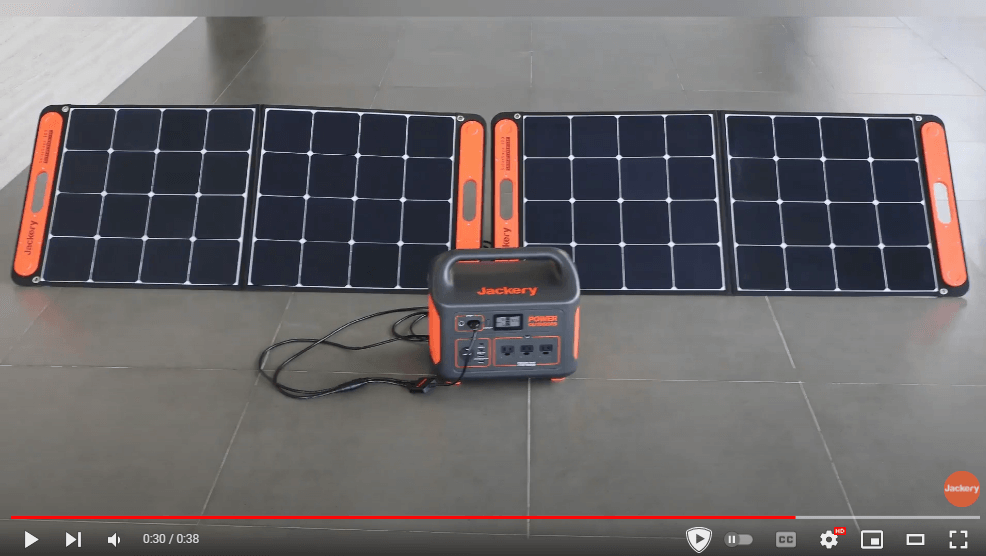
Building a 5000 watt solar generator involves connecting solar panels to a charge controller. Then, attach the controller to batteries and an inverter. Ensure all components are securely connected for efficient power generation.
Mounting Solar Panels
Solar panels need a sunny spot. Ensure they face the sun directly. Use strong brackets to hold them steady. Panels should be tilted for best sunlight capture. Clean panels often to remove dirt.
Connecting Batteries
Batteries store energy from the panels. Connect them with thick wires. Use a series connection for more voltage. Parallel connections increase capacity. Secure them in a dry, cool place.
Installing The Inverter
The inverter changes stored energy into usable power. Place it close to the batteries. Connect it with short wires. Make sure it’s ventilated to prevent overheating.
Setting Up Charge Controller
The charge controller protects batteries from overcharging. Connect it between panels and batteries. Adjust settings for battery type. Check it regularly for faults.
Testing And Optimization
Testing and optimization are key in building a 5000-watt solar generator. Ensure all components work efficiently to maximize energy output. Regularly assess performance to identify areas for improvement and maintain optimal functionality.
Initial Performance Testing
Start by checking all connections and components. Ensure everything is connected properly. Use a multimeter to test the voltage and current. Make sure the readings match the expected values. Inspect the solar panels for any damage or dirt. Clean them if necessary to ensure maximum efficiency. Observe the battery charging process. It should charge smoothly without any issues.
Fine-tuning System Settings
Adjust the inverter settings to match your power needs. Check the charge controller settings and ensure they are correct. Modify the battery settings if needed for optimal performance. Test the system under different weather conditions. Make necessary adjustments to improve efficiency. Keep an eye on the power output and adjust settings accordingly.
Monitoring And Maintenance
Regularly inspect the system for any signs of wear or damage. Clean the solar panels to maintain their efficiency. Check the battery levels and charge status. Monitor the system’s performance using a tracking app or device. Schedule routine maintenance checks for all components. Replace any faulty parts immediately to avoid disruptions.

Credit: www.youtube.com
Cost Considerations And Budgeting
Solar panels are the most important part. They can cost around $1,500. Batteries for storing energy cost about $1,200. The inverter changes solar power to usable electricity. It costs around $500. Wires and connectors are necessary. They can add up to $200. Other small parts may cost $100.
Hiring a professional installer can be costly. It may cost around $1,000. DIY installation can save money. It might only cost $300 for tools. Safety gear is important. It might cost $100. Local regulations might require permits. Permits can cost around $150.
Solar generators save on electricity bills. Savings can be about $500 per year. They reduce dependence on grid power. This leads to more savings. Less power outages mean more reliability. Solar energy is clean. It benefits the environment. Long-term savings can be substantial.
Environmental Impact And Benefits
Building a 5000 watt solar generator reduces reliance on fossil fuels. It harnesses clean energy, lowering carbon footprints and promoting sustainability. This eco-friendly solution offers significant benefits, including reduced energy bills and increased energy independence.
Reducing Carbon Footprint
Solar generators produce clean energy. They help lower carbon emissions. Using solar power means less burning fossil fuels. This leads to cleaner air and a healthier planet.
Energy Independence
Solar generators provide energy freedom. You can rely less on the power grid. This means fewer electricity bills. You control your power source and usage.
Sustainability Advantages
Solar power is renewable. It doesn’t run out. The sun shines every day. Solar panels have a long lifespan. This makes solar energy a sustainable choicefor the future.

Credit: www.axionpower.com
Credit: www.jackery.com
Frequently Asked Questions
How Many Solar Panels To Generate 5000 Watts?
You typically need 15-20 solar panels to generate 5000 watts. Panel efficiency and size affect the exact number. Most panels produce 250-400 watts each. Always consider your location’s sunlight exposure for precise calculations.
Is It Cheaper To Build Your Own Solar Generator?
Building your own solar generator can be cheaper than buying one. Costs depend on components and personal skills. DIY projects allow customization, potentially reducing expenses. Compare prices of parts and commercial options to ensure savings. This approach suits those with technical expertise and a desire to personalize their energy solution.
Can I Build My Own Solar Generator?
Yes, you can build a solar generator. Gather components like solar panels, batteries, and an inverter. Follow a step-by-step guide to assemble them. Ensure compatibility and safety for optimal performance. Many resources are available online for guidance. Building your own solar generator can be cost-effective and rewarding.
How Many Batteries Do I Need For A 5000 Watt Inverter?
For a 5000 watt inverter, you typically need four 12V batteries. This setup provides sufficient voltage and capacity. Ensure each battery has adequate amp-hours to meet your energy needs. Consult with a professional to confirm compatibility and safety.
Conclusion
Building a 5000-watt solar generator is achievable. Follow the steps shared above. Start with a clear plan and gather the right materials. Focus on quality components for safety and efficiency. Connect everything carefully to ensure proper function. Regular maintenance keeps the system running smoothly.
This renewable energy source saves money and protects the environment. Enjoy clean, sustainable power for your home or outdoor needs. Embrace solar energy and its benefits today. Your efforts will bring long-term rewards. Happy building!