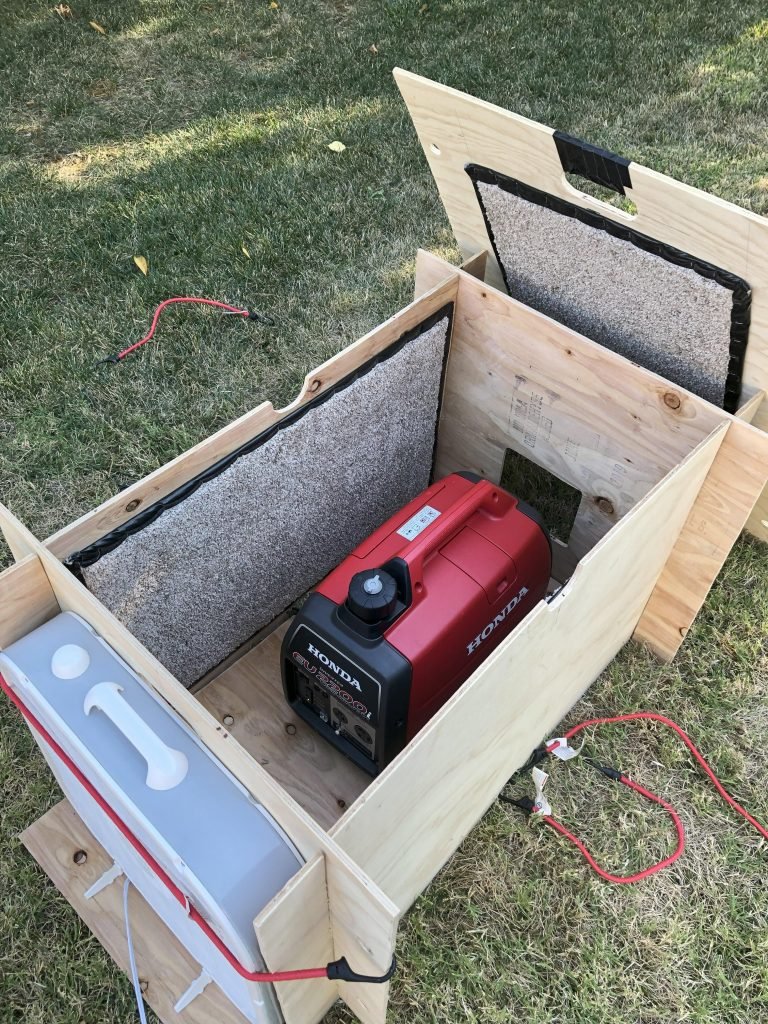
Imagine you’re enjoying a serene weekend getaway or a peaceful evening at home, only to have the tranquility shattered by the relentless hum of your generator. It’s a common annoyance, but what if you could silence that noise without compromising the power you need?
Building a generator quiet box is the perfect solution. You might be wondering how to transform your noisy generator into a whispering companion. This guide is here to help you do just that. We’ll walk you through the simple steps to create a quiet box that reduces noise, enhances your experience, and allows you to maintain your peace of mind.
Get ready to discover how you can enjoy the benefits of your generator without the unwanted noise. Keep reading to learn the secrets of crafting your own generator quiet box and reclaiming your quiet space.
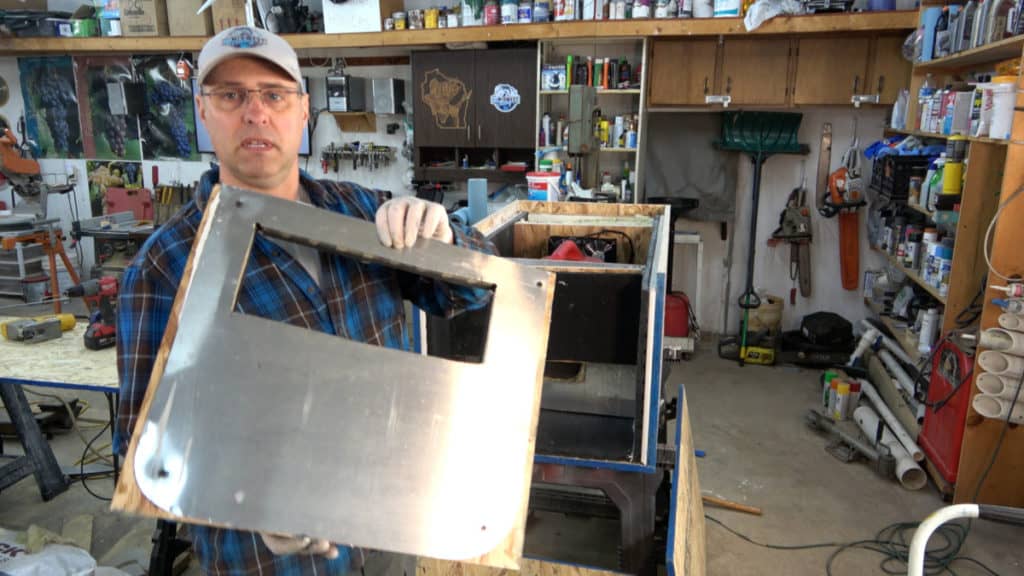
Credit: www.gomidwestfishing.com
Why Noise Reduction Matters
Generator noisecan be very loud and disturbing. It affects neighbors, pets, and your own peace. The noise can cause stressand interrupt sleep. It also makes outdoor activities less enjoyable. Reducing noise helps create a calmer environmentaround your home or work area.
A quiet boxlowers noise by blocking and absorbing sound. It makes the generator saferto use in residential areas. You get more comfortwithout moving the generator far away. A quiet box also protects the generator from dust and rain, which can extend its life.
- Reduces noise to a safe level
- Keeps neighbors happy
- Protects pets from loud sounds
- Improves your relaxation and focus
- Protects the generator from weather

Credit: www.youtube.com
Choosing The Right Materials
Soundproofing panelsreduce noise by absorbing sound waves. Choose panels made of foam or mass-loaded vinyl. These materials block sound effectively. Panels should cover all inside walls of the quiet box.
Insulation optionshelp trap noise and heat. Fiberglass or rock wool insulation works best. These materials are dense and stop sound from escaping. Place insulation around the generator for better results.
| Ventilation Component | Purpose | Recommended Material |
|---|---|---|
| Air Intake | Brings fresh air to the generator | Silenced vent with mesh cover |
| Exhaust Outlet | Removes hot air and fumes | Sound baffle pipe or muffler |
| Fan | Keeps air moving inside the box | Low noise, high airflow fan |
Designing The Quiet Box
The quiet boxmust fit the generator size exactly. Leave space for sound insulationand airflow paths. A box too small blocks airflow and causes overheating. Too large makes noise reduction less effective.
Good airflowis key to cooling. Use ventsor fansto let fresh air in and hot air out. Position vents away from noise sources to reduce sound escape. Without airflow, the generator may overheatand stop working.
- Make doors or panels easy to open.
- Allow quick access for oil changes and repairs.
- Keep filters reachable for cleaning.
- Use simple locks or fasteners.

Credit: www.youtube.com
Step-by-step Construction
Start by building a sturdy frame using wood or metal. Make sure it fits your generator size well. The frame should be strong enough to hold all materials and protect the generator.
Use thick soundproofing materials like foam or mass loaded vinyl inside the box. Cover all inner walls to block noise. This helps reduce the loud sound of the generator.
Good airflow is key. Cut vents on opposite sides of the box for air to enter and exit. Use mesh or filters to keep dust out but allow air to flow freely.
Seal all edges and joints with weatherproof sealant. This stops sound leaks and keeps rain or dust outside. Paint or finish the box for extra protection and a clean look.
Testing And Optimization
Measure noise levels at different points around the generator. Use a sound meter to get exact readings. Check near ventilation openings and walls. This helps find loud spots. Record the data for comparison after changes.
Ventilation must let air flow but block sound. Adjust vent size or add baffles inside. Use flexible ducting to reduce noise path. Make sure the generator stays cool while cutting noise.
Improve soundproofing by adding thick foam or mass-loaded vinyl inside the box. Seal gaps with weatherstripping or caulk. Use dense materials that absorb sound well. Layering materials can block more noise. Test after each change to see what works best.
Safety Considerations
Fire preventionis crucial when building a generator quiet box. Use fire-resistant materialslike metal or concrete. Keep the box away from flammable items. Ensure good ventilationto stop heat buildup. Avoid storing fuel inside the box to reduce fire risk.
Proper exhaust handlingis essential. Direct exhaust fumes outside the box. Use a sealed exhaust ventto prevent gases from entering living spaces. Regularly check the exhaust pipe for blockages or leaks to ensure safe air flow.
- Run the generator on a flat, stable surface.
- Keep the quiet box dry to avoid electrical hazards.
- Do not overload the generator beyond its capacity.
- Turn off the generator before refueling to prevent sparks.
Alternative Noise Reduction Methods
Soundproof foam panels and dense materials help reduce generator noise effectively. Placing the generator on vibration-absorbing pads also lowers sound levels significantly. Using these simple techniques creates a quieter environment around your generator.
Using Mufflers
Mufflershelp reduce the loud noise a generator makes. They work by absorbing sound wavesand lowering engine noise. Installing a muffler is simple and cost-effective. It fits on the exhaust pipe and blocks loud sounds.
Relocating The Generator
Placing the generator far from living areas cuts down noise. Moving it to a garage, shed, or basementhelps. Walls and doors act as sound barriers. Keep in mind, good ventilationis needed to avoid overheating.
Scheduling Operation Times
Running the generator during daytimeor when neighbors are not home helps. Avoid using it at nightor early morning. This simple step reduces noise complaintsand keeps peace.
Frequently Asked Questions
What Materials Are Best For A Generator Quiet Box?
Use soundproof foam, plywood, and weather-resistant seals. These materials absorb noise and protect the generator from weather damage, ensuring quieter operation and durability.
How Much Noise Can A Quiet Box Reduce?
A well-built quiet box can reduce noise by 20-30 decibels. This significantly lowers the generator’s sound, making it more neighbor-friendly and comfortable for use.
Can A Quiet Box Cause Generator Overheating?
No, if properly ventilated, a quiet box prevents overheating. Include vents or fans to ensure adequate airflow and maintain safe generator temperatures during operation.
Is Building A Quiet Box Expensive?
Building a quiet box is cost-effective and affordable. Using common materials and simple tools keeps expenses low while improving noise reduction significantly.
Conclusion
Building a generator quiet box helps reduce noise effectively. It keeps your space peaceful and comfortable. The steps are simple and materials easy to find. You can save money by making one yourself. A quiet box also protects your generator from weather.
Try it out and enjoy a quieter environment today. Small changes bring big comfort. Give your neighbors some peace too.