Imagine cutting down your electricity bill while contributing to a greener planet. Building your own home solar generator might be the perfect solution.
You don’t need to be an expert to harness the power of the sun. With just a few tools and some guidance, you can create a reliable source of energy right in your backyard. Think about the freedom you’ll gain by generating your own electricity.
No more worrying about rising utility costs or power outages. Plus, you’ll be taking a significant step toward sustainability. Exciting, isn’t it? This guide will walk you through each step, ensuring you feel confident in every decision. You’ll learn what materials you need, how to assemble them, and tips for maximizing efficiency. Ready to start your solar journey? Let’s dive in!
Credit: www.residentialsolarpanels.org
Benefits Of Home Solar Generators
Home solar generators offer many benefits for families. They provide clean energyfrom the sun. This helps to reduce electric bills. Solar power is renewable, which means it won’t run out. It is also environmentally friendly. This helps keep the planet safe. Solar generators can work during power outages. This means you can still have electricity when others don’t. It is a reliablesource of power.
Installing solar generators is an investmentin your future. They increase the value of your home. Many governments offer tax creditsfor using solar energy. This makes it more affordable. Solar generators are also quiet. They do not make noise like other generators. This makes them a great choice for home use.
Essential Components
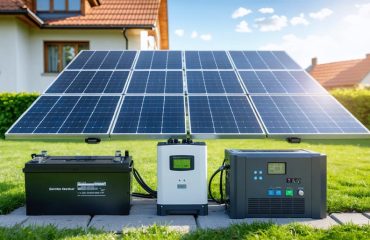
Solar panels capture sunlight and turn it into electricity. They are the most important part of a home solar generator. Look for panels that have high efficiency. This means they can produce more power. You will need enough panels for your energy needs. More panels mean more energy.
Batteries store the energy collected by the solar panels. This energy is used when the sun is not shining. Choose batteries with good capacity. This means they can hold more energy. Lithium-ion batteries are popular. They last longer and are lightweight.
A charge controller manages the flow of electricity. It prevents the battery from overcharging. This helps in maintaining battery health. Choose a controller that matches your system’s voltage. Some controllers come with extra features, like load control.
The inverter changes DC power to AC power. AC power is what most home appliances use. Without an inverter, you can’t use solar energy for your home. Get an inverter that matches your power needs. It should also be efficient to minimize energy loss.
Choosing The Right Solar Panels
Solar panels come in different types. Monocrystalline panels are very efficient. They look sleek and black. Polycrystalline panels are blue and less efficient. They cost less. Thin-film panels are flexible and easy to install. They are not as efficient as the others. Choose based on your needs and budget.
Efficiency means how well panels turn sunlight into power. Monocrystalline panels have the highest efficiency. They are best if space is limited. Polycrystalline panels are good for larger spaces. Thin-film panels are less efficient. They are suitable for temporary setups. Check the efficiency rating before buying.
Solar panel costs vary a lot. Monocrystalline panels are the most expensive. They last longer and work better. Polycrystalline panels are cheaper and offer good value. Thin-film panels are the least expensive. Consider your budget and energy needs. Look for deals or discounts.
Sizing Your System
Estimating your energy needs is crucial in building a home solar generator. Calculate total watt-hours for your devices. This helps determine the solar panel and battery size required for your system.
Energy Needs Assessment
First, list all devices needing power. Include lights, fans, and gadgets. Check each device’s wattage. This info is usually on a sticker or manual. Add all watts together. This gives your total energy need. Consider daily usage hours too. Multiply total watts by hours used. This gives you the total watt-hours.
Calculating Panel Size
Divide total watt-hours by sunlight hours per day. This tells you the panel size needed. Consider weather and location. Some places get more sun. Choose panels with a bit more capacity. This ensures you have enough power.
Battery Capacity Estimation
Decide how long you want power backup. Multiply total watt-hours by days of backup needed. This gives you battery capacity in watt-hours. Convert watt-hours to amp-hours for battery shopping. Divide by battery voltage. Choose batteries with a bit more capacity. This ensures reliable power.
Assembly Process
Building a home solar generator involves connecting solar panels, a charge controller, and batteries. Carefully assemble each component for efficient energy capture and storage. Ensure all connections are secure and components are compatible for optimal performance.
Panel Installation
Choose a sunny spot for your solar panels. Make sure it’s free from shade. Secure the panels firmly. Use brackets or mounts to hold them. Connect the panels using cables. Align them to catch maximum sunlight. Check for loose connections.
Battery Setup
Place the battery in a dry area. It should be away from direct sunlight. Connect the battery to the charge controller. Use thick cables for a strong connection. Ensure the terminals are clean. Avoid touching them with bare hands. Follow the battery instructions carefully.
Connecting The Inverter
Connect the inverter to the battery. Use short cables for better efficiency. Make sure the inverter is cool. It should not overheat. Check all connections twice. Ensure the inverter has enough ventilation. Test the setup to see if it works.

Credit: www.youtube.com
Safety Precautions
Always wear rubber gloves when touching wires. Keep tools dry to avoid shocks. Use insulated tools for extra safety. Never touch wet wires. Ensure the generator is off before any repairs. Label all wires clearly. This helps prevent mistakes. Keep a first aid kit nearby.
Avoid placing your generator in wet places. Use a sturdy cover to keep rain away. Seal all openings with waterproof material. Elevate the generator to prevent flooding. Check for leaks regularly. Use rust-proof materials for longer life.
Check the battery levels often. Use a voltmeter to measure power. Monitor the output with a digital display. Install alarms for low power. Regularly inspect the wiring for damage. Keep a logbook of checks and repairs. This ensures everything runs smoothly.
Maintenance Tips
Building a home solar generator requires regular maintenance to ensure efficiency. Clean solar panels monthly to remove dust and debris. Check battery connections often and keep them tight and corrosion-free for optimal performance.
Regular Inspections
Check the solar generator often. Look for any loose wires or damaged parts. Ensure all parts are secure. This keeps the generator working well. Early checks can prevent big problems later.
Cleaning Panels
Keep solar panels clean for better performance. Dust and dirt can block sunlight. Use a soft cloth and water to clean them. Avoid using harsh chemicals. Clean panels every few months for best results.
Battery Care
Batteries need special care. Charge them regularly to keep them healthy. Avoid letting them run too low. Store in a cool, dry place. This extends battery life and keeps the system running smoothly.
Troubleshooting Common Issues
Check if your solar panels are clean. Dirt can block sunlight. Make sure all cables are connected tightly. Loose connections cause low power. Inspect the panels for cracks. Cracks can reduce power output. Look at the weather. Cloudy days can affect power levels.
Examine the battery connections. Loose wires can lead to poor battery performance. Ensure the battery is charged properly. Low charge affects its function. Check for any damage or leaks. Damaged batteries need replacement. Verify the battery type matches your system. Wrong types can cause issues.
Ensure the inverter is plugged in. Unplugged inverters won’t work. Check the settings on the inverter. Incorrect settings can cause errors. Inspect the display for error messages. These messages help find problems. Confirm the inverter is compatible with your system. Wrong inverters can malfunction.

Credit: www.youtube.com
Frequently Asked Questions
Is It Cheaper To Build Your Own Solar Generator?
Building your own solar generator can be cheaper. Costs depend on parts and technical skills. DIY projects save money, but require time and effort. Research thoroughly to find affordable components and ensure efficiency. Consider professional help for complex setups if needed.
How Big Of A Solar Generator Do You Need To Power A House?
Determine your energy needs by checking your home’s kilowatt-hour consumption. A typical home may require a 5,000 to 10,000-watt solar generator. Consider solar panel efficiency, battery capacity, and inverter size for optimal performance. Consult a solar expert to tailor the system to your specific requirements.
Can I Build My Own Solar Generator?
Yes, you can build your own solar generator. Gather solar panels, batteries, inverter, and charge controller. Connect components properly to ensure efficient energy conversion. Check compatibility of each part for optimal performance. Building a solar generator requires basic knowledge of electrical systems and safety precautions.
How Long Will A 1000 Watt Solar Generator Run A Refrigerator?
A 1000 watt solar generator can run a refrigerator for about 8-10 hours. This depends on the fridge’s power consumption and the generator’s battery capacity. Energy-efficient refrigerators can extend runtime, while older models may reduce it. Always check the appliance’s wattage to calculate accurate usage.
Conclusion
Building a home solar generator can be rewarding. You gain energy independence. It saves money over time. It also helps the environment. The process is straightforward. Gather materials, follow instructions, and stay safe. You create renewable energy at home. Share your experience with friends and family.
Inspire others to go green. Enjoy the benefits of clean energy. You contribute to a better future. Solar power is a smart choice. Give it a try. It’s worth the effort. Take control of your energy needs. Make a positive impact today.