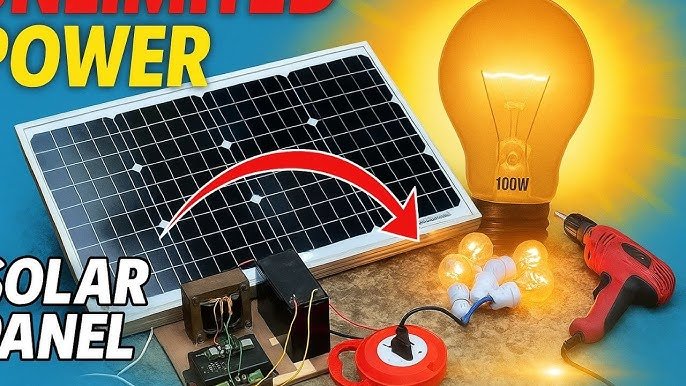
Imagine harnessing the power of the sun to fuel your everyday devices without relying on traditional electricity sources. Exciting, isn’t it?
Building a homemade solar generator might sound like a complex task, but it’s easier than you think. Not only can this project save you money, but it also allows you to reduce your carbon footprint and gain energy independence. You’ll discover simple, step-by-step instructions to create your very own solar generator.
You’ll learn about the materials you need, how to assemble them, and tips to maximize efficiency. Whether you’re a DIY enthusiast or someone looking for a sustainable energy solution, this guide is crafted to help you succeed. So, are you ready to tap into the limitless potential of solar energy? Let’s get started!
Credit: www.residentialsolarpanels.org
Benefits Of Homemade Solar Generators
Homemade solar generatorsare a great way to save money. They use the sun’s energy, which is free. This helps cut down on electricity bills. Building one can also be a fun project. It teaches how solar power works. You can customize it to fit your needs. This means you can choose the size and power.
Homemade generators are good for the environment. They use clean energy, reducing pollution. This helps keep the planet healthy. Also, they can work during power outages. This ensures you have electricity when needed. Solar generators are quiet, unlike gas ones. This makes them great for camping or home use.

Credit: makezine.com
Essential Components
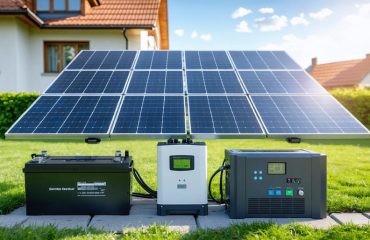
Building a homemade solar generator requires solar panels, a charge controller, batteries, and an inverter. Solar panels capture sunlight, while the charge controller regulates power. Batteries store energy, and the inverter converts it for use. Proper assembly ensures efficient energy harnessing.
Solar Panels
Solar panels catch sunlight and turn it into electricity. They are like the heart of your solar generator. Choose panels with good efficiency. They should fit your energy needs. Place them where they get direct sunlight. This helps them work best.Battery Storage
Batteries save the electricity from solar panels. Deep cycle batteries are best for solar power. They store energy for when the sun is not out. This way, you have power at night too. Check battery size. It should match your energy usage.Charge Controller
A charge controller is like a gatekeeper. It protects the battery from overcharging. It keeps the electric flow steady. This makes sure the battery lasts longer. Always use the right controller for your system.Power Inverter
The inverter changes stored energy to usable energy. It turns DC power into AC power. This is the type of power homes use. Pick an inverter that matches your power needs. It should handle your devices easily.Wiring And Connectors
Wires and connectors link all the parts. They carry electricity between them. Use strong wires that fit your system. Connectors should be tight and safe. This keeps the power flowing smoothly. `Choosing The Right Solar Panels
Solar panels come in different types. The most common ones are monocrystalline, polycrystalline, and thin-film. Monocrystalline panels are usually more efficient. They are made from a single crystal structure. Polycrystalline panels are less expensive. They are made from many crystal fragments. Thin-film panels are lightweight and flexible. They are great for small spaces. Choose the type that fits your needs best.
Efficiency tells how much sunlight turns into electricity. Higher efficiencymeans more power. Panel size matters too. Large panels make more power. But they need more space. Balance efficiency with the size of your space. It’s important to choose the right mix. Consider both efficiency and space available. This helps in making the best choice.
Battery Selection
There are different types of batteries for solar generators. The most commonones are lead-acid and lithium-ion. Lead-acid batteries are cheaper. They are heavy and need regular maintenance. Lithium-ion batteries are lightand last longer. They are more expensivebut need less care.
Battery capacity is important for storing solar power. Choose a battery with enough capacity for your needs. More capacity means more powerstored. Battery lifespan tells how long the battery will last. Lithium-ion batteries have a longer lifespanthan lead-acid ones. Check the lifespan before buying a battery. A longer lifespan is better for a solar generator.
Installing The Charge Controller
Connect the charge controller to your solar generator to regulate power flow. Ensure correct wiring to prevent battery damage. This step safeguards your system’s longevity and efficiency.
Functionality And Importance
The charge controller plays a vital role in a solar generator. It controls the flow of electricity from the panels to the battery. It prevents the battery from overcharging and damage. Without a charge controller, the battery life shortens. It protects against power surges and fluctuations. Ensuring stable power is its primary function.
Connection Process
Connecting the charge controller is simple. Follow these steps for success:
- Find the positive and negative terminals on the battery.
- Connect the solar panel wires to the controller.
- Attach the controller wires to the battery terminals.
- Ensure all connections are tight and secure.
- Check if the controller lights up correctly.
Integrating The Power Inverter
The inverterchanges solar powerinto usable electricity. It takes the sun’s energy and turns it into power for your home. Most devices need this kind of electricity. Without an inverter, solar power cannot be used directly. This makes the inverter a very important part of the system. It ensures your solar generator can power your devices. Proper installation is key for safety and efficiency.
- Find a safe place for the inverter.
- Connect the solar panelsto the inverter.
- Connect the inverter to the battery.
- Attach the inverter to your home’s power system.
- Check all connections are tight and safe.
- Turn on the inverter and test the system.
Wiring And Connections
Ensure all connections are secure to prevent energy loss. Use insulated wires to connect solar panels to the battery. Maintain proper polarity to keep the system functioning efficiently.
Safety Tips
Safety is crucial when working with wires. Always wear gloves for protection. Ensure the solar panel is turned off before starting. Use tools with rubber handles to avoid shocks. Check all connections twice. Make sure they are tight and secure. Avoid working in wet conditions. Water and electricity don’t mix well. Keep a fire extinguisher nearby. It should be suitable for electrical fires. Read all instructions carefully. Follow each step with attention.
Step-by-step Guide
- Gather all necessary tools and materials.
- Identify the positive and negative terminals.
- Connect wires to the battery carefully.
- Secure connections with electrical tape.
- Attach solar panels to the charge controller.
- Ensure all components are grounded properly.
- Test the system for proper functioning.
Testing And Troubleshooting
Testing and troubleshooting ensure your homemade solar generator runs smoothly. Verify connections and check voltage output regularly. Identify any issues and replace faulty components promptly.
Initial Power Up
Turn on your solar generator carefully. Ensure all connections are secure. Check the battery is fully charged. Look for any loose wires or broken parts. Use a multimeter to test voltage output. The voltage should match the generator’s rating. If not, check connections again. Ensure the solar panel faces direct sunlight. This helps in getting the full charge.
Common Issues And Solutions
- No power output:Check battery connections. Ensure they are tight.
- Low voltage:Inspect solar panels for dirt. Clean them if needed.
- Overheating:Place the generator in a cool, shaded spot.
- Strange noises:Tighten all screws and fix loose parts.
Always follow safety rules. Wear protective gloves if needed. Keep children away while testing.
Maintenance Tips
Regularly clean solar panels to ensure maximum efficiency. Inspect wiring and connections for wear and tear. Check battery health frequently and replace if necessary.
Regular Checks
Check your solar generator often. Look for any loose wires. Tighten them if needed. Ensure the solar panels are clear and not blocked. This helps them get more sunlight. Check the battery’s charge level. Make sure it is not too low. If the battery is weak, it might need replacing. Listen for strange noises from the generator. These could mean something is wrong.
Cleaning And Repairs
Clean the solar panels to keep them efficient. Use a soft cloth and water. Avoid harsh chemicals. Check for dirt or bird droppings. Clean them gently. If a panel is cracked, it needs fixing. Fix small issues quickly to avoid big problems. Keep the generator in a dry place. Moisture can damage it. Always follow the manual for repairs.

Credit: www.axionpower.com
Enhancing Efficiency
Building a homemade solar generator boosts energy efficiency. It uses sunlight to power devices, reducing reliance on traditional electricity. Create a sustainable energy source with basic materials and tools, saving money while helping the environment.
Upgrading Components
Using better components helps the solar generator work well. Choose high-efficiency solar panelsfor more power. Add a larger batteryto store extra energy. A smart charge controllerprotects the battery from damage. Good inverters turn stored energy into usable power. All these upgrades make the generator last longer.
Usage Best Practices
- Place panels in a sunny spot for better power.
- Keep panels clean to capture more sunlight.
- Check connections often to prevent problems.
- Turn off devices not in use to save energy.
- Store the generator in a dry place.
Frequently Asked Questions
Can I Build My Own Solar Generator?
Yes, you can build your own solar generator. Gather components like solar panels, batteries, and inverters. Connect them properly. Ensure you follow safety guidelines and local regulations. This DIY project can be cost-effective and environmentally friendly. Enjoy sustainable energy with your personalized solar generator.
Is It Cheaper To Build Your Own Solar Generator?
Building your own solar generator can be cheaper. Costs depend on component quality and sourcing. DIY projects save on labor expenses. Research and carefully plan to maximize savings.
How Long Will A 1000 Watt Solar Generator Run A Refrigerator?
A 1000-watt solar generator can run a refrigerator for approximately 5-10 hours. This depends on the refrigerator’s power consumption, typically ranging from 100 to 800 watts. Energy efficiency and generator capacity also affect runtime. Always check your refrigerator’s wattage for accurate estimation.
What Can A 3000 Watt Solar System Run?
A 3000 watt solar system can power refrigerators, lights, laptops, televisions, and small appliances. It supports energy-efficient devices and moderate household use. Actual performance depends on sunlight availability and energy consumption patterns.
Conclusion
Building a homemade solar generator is practical and rewarding. You gain clean energy and learn new skills. Start with gathering necessary components. Solar panels, batteries, and inverters are key. Follow safety guidelines during assembly. Ensure connections are secure. Test the generator in sunlight.
Check if it charges effectively. Troubleshoot any issues patiently. This project reduces reliance on traditional power sources. It also helps the environment. Plus, you save on electricity bills. Enjoy your new sustainable energy solution. Keep exploring renewable energy options. Stay curious and inventive.
Your efforts make a difference.