Imagine harnessing the power of the sun to keep your devices running smoothly without relying on traditional energy sources. Sounds intriguing, doesn’t it?
You might be wondering how you can achieve this with a lithium-ion solar generator. Building one yourself can seem daunting, but with the right guidance, you can create a reliable and eco-friendly energy solution right at home. This isn’t just about reducing your carbon footprint; it’s about gaining independence from fluctuating energy costs and power outages.
As you dive into this guide, you’ll discover step-by-step instructions, tips, and insights that make building a lithium-ion solar generator not only feasible but exciting. Whether you’re a seasoned DIY enthusiast or a curious beginner, this journey promises empowerment and innovation. Are you ready to explore the potential of solar energy and transform your energy consumption? Let’s get started!

Credit: www.youtube.com
Benefits Of Lithium-ion Solar Generators
Lithium-ion solar generatorsare small and easy to carry. They provide clean and quiet power. Charging is fastand efficient. These generators have a long lifespan. They work well in different weather conditions. Safety featuresprevent overheating. They are also eco-friendly. Low maintenanceis required, saving time and money.
These generators are ideal for outdoor use. They can power lights, fans, and small devices. Camping tripsbecome easier with them. Emergency situations are less stressful. They are helpful during power outages. Solar panels recharge them quickly. Energy is storedfor later use. This ensures power is always available.
Components Needed
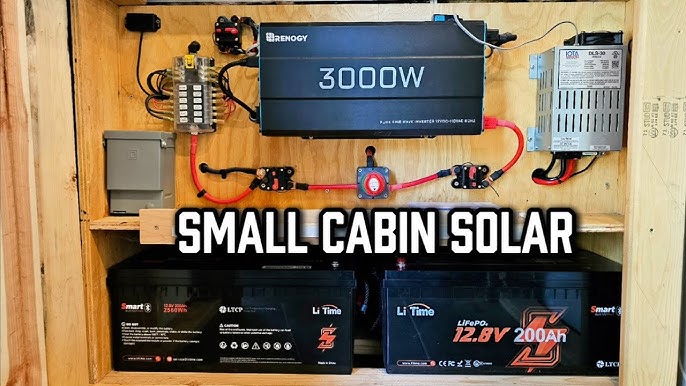
Building a lithium-ion solar generator requires solar panels, a lithium-ion battery, an inverter, and a charge controller. Connect solar panels to the charge controller, then to the battery, and finally to the inverter. Ensure all components are compatible for efficient energy conversion and storage.
Solar Panels
Solar panels catch sunlight and turn it into power. They are the first part of a solar generator. Panels come in different sizes and strengths. Bigger panels make more power. Always choose panels that fit your needs.
Charge Controller
A charge controller keeps the battery safe. It stops the battery from overcharging. This helps the battery last longer. It also prevents power from going back to the panels at night.
Lithium-ion Battery
The lithium-ion battery stores the power. It is light and powerful. This battery is a key part of the generator. It must be big enough to hold all the power you need.
Inverter
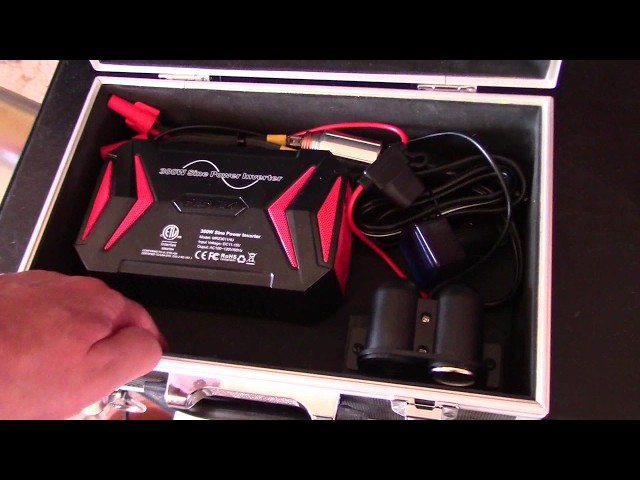
An inverter changes the power. It turns DC power into AC power. Many home devices need AC power. So, an inverter is very important for using the stored power.
Cables And Connectors
Cables link all the parts together. They carry power between components. Connectors join cables to devices. Good cables and connectors ensure safe power flow.
Assembling The Solar Panels
Assembling the solar panels involves connecting them to capture sunlight effectively. Position the panels in a sunny spot for maximum efficiency. Secure the panels firmly to ensure stability during windy conditions.
Mounting Options
Solar panels need to face the sun. This helps them work better. There are a few ways to mount them. Ground mounts are easy to set up. They sit on the ground. Roof mounts use the roof for support. They save space. Both need sturdy support. This keeps them safe in strong winds.
Wiring Setup
Wiring connects the solar panels to the generator. Use wires that are strong and safe. Positive and negative wires must not touch. This can cause problems. Connect the wires to a charge controller. This device protects the battery. Check all connections twice to avoid mistakes. Proper setup ensures smooth energy flow.
Connecting The Charge Controller
Connecting the charge controller is crucial for managing the power flow in a lithium ion solar generator. Ensure secure connections between solar panels and the controller for efficient energy conversion. Proper wiring prevents energy loss, optimizing battery charging and system performance.
Controller Types
Charge controllers come in two main types: PWMand MPPT. PWM controllers are less expensive. They are suitable for small systems. MPPT controllers are more efficient. They are better for large systems. The right choice depends on your solar powerneeds. Always check the specifications. They guide you to the best option.
Installation Tips
Install the charge controller in a dry and safe place. Connect the controller to the battery first. Use proper cables and connectors. Ensure all connections are tight. Loose connections can cause problems. Read the manual carefully. It provides specific instructions. Follow them to avoid mistakes. Double-check all connections before turning on the system. Safety is very important.
Installing The Lithium-ion Battery
Securely place the lithium-ion battery in your solar generator’s designated compartment. Ensure the battery terminals align correctly. Connect the wires, ensuring a snug fit to avoid any loose connections.
Battery Selection
Choosing the right lithium-ion battery is very important. Ensure the battery has enough capacity for your needs. A good battery should last long and be safe. Check the voltage and ampere ratings. These numbers tell how strong the battery is. Look for trusted brands known for quality. A well-chosen battery keeps your solar generator working efficiently.
Safety Precautions
Always wear gloves when handling batteries. Keep the battery away from water and heat. Never touch both battery terminals with metal. This can cause a short circuit. Ensure the battery is properly secured in its place. Use insulated tools to avoid any shocks. Keep a fire extinguisher nearby for emergencies. Following these safety steps keeps you and your equipment safe.
Setting Up The Inverter
Connect the inverter to the battery using appropriate cables to ensure efficient power conversion. Verify all connections are secure to prevent power loss and maintain safety.
Choosing The Right Inverter
Pick an inverter that matches your power needs. Check its watt capacity. Ensure it can handle all devices you plan to connect. Look for pure sine wave inverters. They work best with sensitive electronics. Choose an inverter that suits your battery voltage. Make sure it’s compatible with solar panels. Safety features are essential. Choose inverters with overload protection.
Connecting The Inverter
Connect the inverter to the battery terminals. Use proper cables. Ensure cables are thick and strong. Connect the positive cable first. Then connect the negative cable. Secure all connections tightly. Loose connections can cause problems. Test the inverter with a small device. Check if power flows correctly. Always follow the manufacturer’s instructions.
Final Assembly And Testing
Final assembly and testing ensure the lithium-ion solar generator functions properly. Connect components securely and verify electrical connections. Conduct tests to check battery performance and solar panel efficiency.
System Checks
Ensure all wires are tightly connected. Check the solar panel’s output. It should match the expected voltage. Verify battery connections. Make sure terminals are secure. Inspect the inverter. Confirm it powers on correctly. Test the generator’s functions. It should charge and discharge smoothly. Listen for unusual sounds. They may indicate a problem. Look for any loose parts. Tighten them if necessary.
Troubleshooting Common Issues
- If the generator doesn’t charge, check the solar panel.
- Ensure no wires are broken or loose.
- If the inverter fails, test its power switch.
- Check battery health if power is weak.
- Inspect for corrosion on terminals.
- If noises occur, tighten all parts.
Maintenance Tips
Ensuring optimal performance of a lithium ion solar generator involves regular checks of battery connections. Clean any debris or corrosion to maintain efficiency. Monitor charge levels consistently, and keep the generator in a dry, cool place to extend its lifespan.
Battery Care
Always keep the battery clean and dry. Dirt and moisture can harm it. Check the battery’s charge level often. Ensure it’s neither too low nor too high. Store the battery in a cool, dry place. Avoid direct sunlight. Use the right charger for your battery. A wrong charger can damage it.
Regular Inspections
Inspect your solar generator monthly. Look for loose connections. Tighten them if needed. Check wires for wear or damage. Replace broken parts quickly. Listen for strange noises. They could mean problems. Always follow the manufacturer’s instructions. This keeps your generator running well. Keep a checklist for inspections. It helps remember what to check.
Real-world Applications
Building a lithium-ion solar generator has practical uses in daily life. It provides sustainable energy solutions for homes and outdoor activities. This generator can power essential devices during emergencies or remote adventures.
Camping And Outdoor Use
Lithium ion solar generators are great for camping. They are small and easy to carry. You can use them to power lights and charge phones. They don’t make noise like gas generators. This keeps nature peaceful. Many campers love them for their eco-friendly power. They run on sunlight, so there’s no fuel needed. Just set up the solar panel in the sun. This makes them a smart choice for outdoor trips.
Emergency Power Supply
During power cuts, these generators are very helpful. They provide electricity when the main power is out. You can keep the fridge running and lights on. It’s important for safety and comfort. These generators are quiet and safe indoors. They are easy to set up and use. Just connect the solar panel, and it’s ready. Families can feel secure with this backup power.

Credit: revopower.us
Credit: www.youtube.com
Frequently Asked Questions
Is It Cheaper To Build Your Own Solar Generator?
Building your own solar generator can be cheaper. Costs depend on components and expertise. DIY projects save labor expenses. Research thoroughly to ensure efficiency. Purchasing individual parts often reduces expenses compared to buying pre-built systems. Consider long-term savings and reliability.
How Long Will A 1000 Watt Solar Generator Run A Refrigerator?
A 1000-watt solar generator can run a refrigerator for about 6-12 hours. This depends on the refrigerator’s energy consumption and the generator’s battery capacity. Always check your refrigerator’s wattage and the generator’s specifications for accurate estimates.
Can I Build My Own Solar Generator?
Yes, you can build your own solar generator. Gather solar panels, batteries, and an inverter. Connect them properly. Ensure efficient energy management for optimal performance. Follow safety guidelines and consult technical resources. Customize your setup to meet your energy needs.
Enjoy sustainable power generation at home.
What Can A 3000 Watt Solar System Run?
A 3000 watt solar system can power small appliances, lights, and devices. It can run a refrigerator, television, and computer. It may also support washing machines and microwaves. Usage depends on energy efficiency and sunlight conditions.
Conclusion
Building a lithium-ion solar generator is rewarding. You gain energy independence. It’s eco-friendly and cost-effective. Carefully plan each step. Gather the right materials. Follow safety precautions. Connect the solar panels correctly. Ensure good battery storage. Regular maintenance keeps it efficient.
Practice makes perfect. You’ll learn with experience. Enjoy clean energy benefits. Lower bills and reduce carbon footprint. Share your success with friends. They might get inspired too. Remember, small steps make big impacts. Now, you are ready. Start building your own today.