Imagine harnessing the power of the sun to keep your home lit and your devices charged, all while reducing your carbon footprint. A lithium solar generator is your gateway to achieving energy independence and sustainability.
If you’re tired of relying on the grid or just looking for a reliable backup power source, building your own lithium solar generator could be the perfect solution. You’ll discover how to transform sunlight into usable power, step by step.
Whether you’re a seasoned DIY enthusiast or a beginner just dipping your toes into the world of renewable energy, this guide will empower you to create a system tailored to your needs. Picture the freedom of having portable, clean energy at your fingertips. By the end, you’ll have the knowledge and confidence to build a generator that not only meets your energy demands but also aligns with your eco-friendly values. Let’s explore how you can take control of your energy needs with a lithium solar generator.
Understanding Lithium Solar Generators
Lithium solar generatorsuse the sun to make electricity. They store energy in lithium batteries. These batteries are smaller and lighter than other types. This makes them easy to carry. The generator has solar panels to catch sunlight.
Sunlight turns into electricity. The electricity goes to the lithium battery. The battery holds the energy until you need it. You can use this energy for lights, phones, and other gadgets. Lithium batterieslast a long time. They charge quickly too. This makes them useful for trips.
Solar panels need to be in the sun. The more sunlight, the better they work. It’s important to keep them clean. Dust can block sunlight. If you have a lithium solar generator, you can power things anywhere.
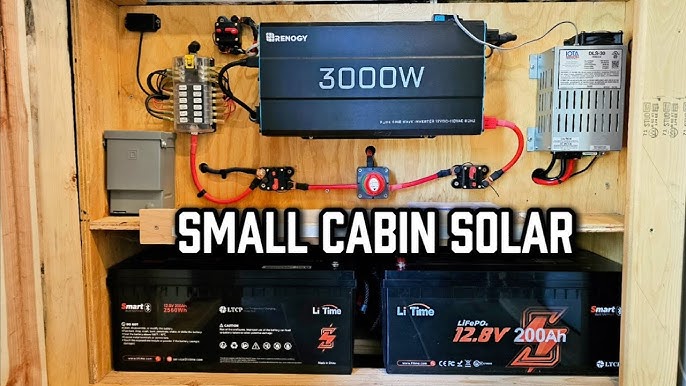
Components Needed
Solar panels capture sunlight and turn it into electricity. They are flat and placed under the sun. Panels should be strong and efficient. More sunlight means more power.
The lithium battery stores electricity for later use. It is light and lasts long. It provides energy when the sun is not shining. Choose a battery with good capacity.
The charge controller manages power from the solar panels. It protects the battery from overcharging. It ensures the battery stays healthy. It is an important safety tool.
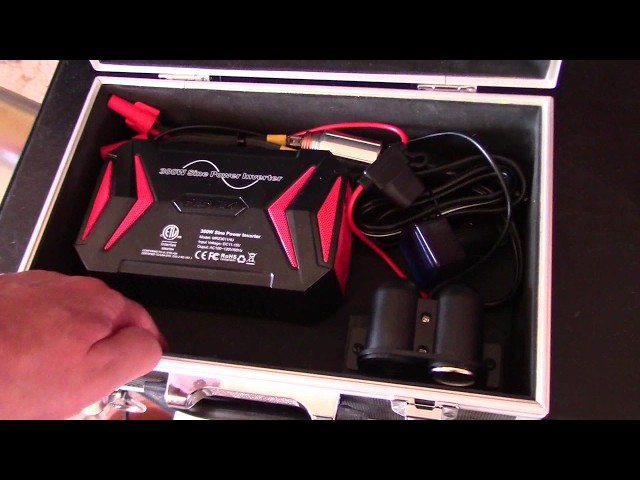
An inverter changes battery power to usable electricity. It allows you to use devices like lights and fans. It is needed for most home appliances. Make sure it matches your power needs.
Cables and connectors join all parts together. They move electricity between components. They must be strong and safe. Good quality cables prevent energy loss.
Designing The System
First, list all devices you will power. Check each device’s wattage. Add the wattages together. This gives the total power you need. Remember, some devices need more power to start. So, consider this when adding up. It’s important to know your daily usage hours too. This helps in calculating energy needs over time.
Choose a battery that can store enough power. Look for the capacity in amp-hours (Ah). A higher number means more energy storage. Think about how many days of energy you need. Multiply daily needs by the number of days. This gives the battery capacity needed. A safety margin is good too. It helps on cloudy days.
Solar panels should match your energy needs. Check the panel’s power rating in watts. More watts mean more energy. Calculate how many panels you need. Divide daily power needs by the panel’s watt output. Consider your location’s sun hours per day. This affects how much energy panels produce.

Credit: www.youtube.com
Building The Generator
Solar panels gather energy from the sun. They should face the sunlight. Connect them to the generator using cables. Make sure the cables are not loose. Tight connections are important. Loose wires can cause problems. Use the right connectors for safety.
A charge controller protects the battery. It stops overcharging. Connect it between the solar panels and battery. Follow the instructions carefully. Match the wires to the right terminals. This keeps the battery safe. A safe battery lasts longer.
Lithium batteries store energy. They need secure connections. Use thick wires for best results. Thin wires might break. Connect positive to positive and negative to negative. Wrong connections can damage the battery. Check for firm connections.
An inverter changes stored energy to usable power. Connect it to the battery. Match the wires correctly. Incorrect connections can be harmful. Use the inverter for devices. Make sure it’s working properly. Test with a small device first.
Testing The System
Ensure all wires are securely connected. Look for any loose wires or plugs. Tighten them if needed. Double-check the polarityof each connection. Positive to positive and negative to negative. This helps prevent any short circuits.
Keep an eye on the battery’s charge level. Use a voltmeterto check it. The reading should be within the safe range. Ensure the battery is not overheating. Feel the battery’s surface for warmth. If it’s hot, it might be overloading.
Measure the generator’s power output. Use a wattmeterfor accurate results. Compare the output with expected values. Ensure it matches your needs. Check if all devices are receiving power. Devices should work smoothly without interruptions.
Credit: www.youtube.com
Maintenance And Troubleshooting
Perform regular checks to ensure the generator works well. Inspect all connections for any loose wires. Check the battery level frequently to avoid running out of power. Keep the solar panels clean; dirt can block sunlight. Look at the inverter to see if it is functioning correctly.
Some issues can occur with generators. Batteries may not charge. This could be due to faulty wires or weak sunlight. If the inverter stops working, check for loose connections. Overheating can happen; ensure vents are clear. If panels fail to produce power, they might be dirty or damaged.
Safety is very important. Always turn off the generator before fixing it. Wear gloves to protect your hands. Keep water away from the generator to avoid shocks. Ensure the area is dry and clean. Never touch wires with wet hands.
Benefits Of Lithium Solar Generators
Lithium solar generators are lightweightand easy to carry. They store energy from the sun. This energy is clean and renewable. Using lithium batteries, they hold more power than other types. They are efficientand last longer.
These generators are also safe. They do not produce harmful gases. This makes them great for indoor use. Lithium batteries can charge quickly. This means you can use them sooner.
They are also very quiet. You can use them without disturbing others. They are perfect for camping trips. You can enjoy nature with less noise. Lithium solar generators are a smart choice. They help protect the planet.

Credit: revopower.us
Frequently Asked Questions
Is It Cheaper To Build Your Own Solar Generator?
Building your own solar generator can be cheaper. It depends on component quality and sourcing. DIY projects often save labor costs. Buying parts in bulk or second-hand can further reduce expenses. However, expertise is needed to ensure efficiency and safety.
How Long Will A 1000 Watt Solar Generator Run A Refrigerator?
A 1000-watt solar generator can run a refrigerator for about 10 to 20 hours. This depends on the refrigerator’s wattage and efficiency. Energy consumption can vary, so check your refrigerator’s specifications for precise calculations. Consider battery capacity and solar panel efficiency for extended use.
Can I Build My Own Solar Generator?
Yes, you can build your own solar generator. You’ll need solar panels, a battery, a charge controller, and an inverter. Follow proper guidelines and safety precautions. This DIY project can help save money and provide renewable energy. Consider consulting a professional for complex setups.
What Can A 3000 Watt Solar System Run?
A 3000 watt solar system can power essentials like lights, fans, TV, refrigerator, and small appliances. It supports energy-efficient devices and reduces reliance on grid electricity. Usage may vary based on sunlight availability and energy consumption patterns. Ensure energy-efficient practices for optimal performance and savings.
Conclusion
Building a lithium solar generator is a rewarding project. It provides clean energy. You gain independence from traditional power sources. The process is simple yet fulfilling. Each step increases your understanding of renewable energy. Safety is important, so follow guidelines closely.
Double-check connections and components. You now have a personal power source. Enjoy the benefits of sustainable energy. Share your experience with others. Encourage them to explore solar solutions. Your efforts contribute to a greener planet. Keep learning and improving. Your journey with solar power begins now.