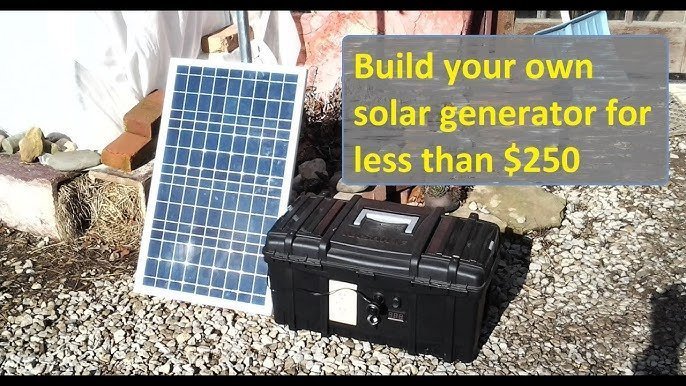
Are you tired of relying on traditional power sources that are both costly and not environmentally friendly? Imagine having a reliable, green energy solution at your fingertips, wherever you go.
Building your own mini solar generator might be the answer you’ve been searching for. Not only is it a cost-effective alternative, but it also empowers you to harness the sun’s energy, reducing your carbon footprint and gaining independence from the grid.
In this guide, you’ll discover how easy it is to assemble your own solar generator with simple components. You’ll learn the step-by-step process, ensuring that even those with little technical knowledge can confidently bring this project to life. Picture yourself enjoying uninterrupted power during camping trips, emergencies, or just as a backup for your home. By the end of this article, you’ll have the knowledge to turn your vision of sustainable energy into reality. Dive in and transform your power needs today!
Credit: www.youtube.com
Benefits Of Solar Generators
Building a mini solar generator offers energy independence and reduces electricity bills. It provides a clean power source for small devices, making it ideal for eco-friendly living.
- Eco-friendly:Solar generators do not harm the earth.
- No fuel needed:They use sunlight, a free resource.
- Quiet operation:Unlike regular generators, they make little noise.
- Portable:Easy to carry and move around.
- Low maintenance:Few parts mean fewer repairs.
Credit: revopower.us
Essential Components
Solar panels collect sunlightand turn it into electricity. They are the heart of a solar generator. Choose panels that fit your power needs. More panels can produce more electricity. Panels should face the sundirectly for best results. Make sure to clean the panels often. Dirty panels produce less power.
Batteries store the energy collected by the solar panels. This energy is used when the sun is not shining. Choose batteries with enough capacity for your needs. Lithium batteries are light and last longer. Lead-acid batteries are cheaper but heavier. It’s important to keep batteries in a cool, dry place.
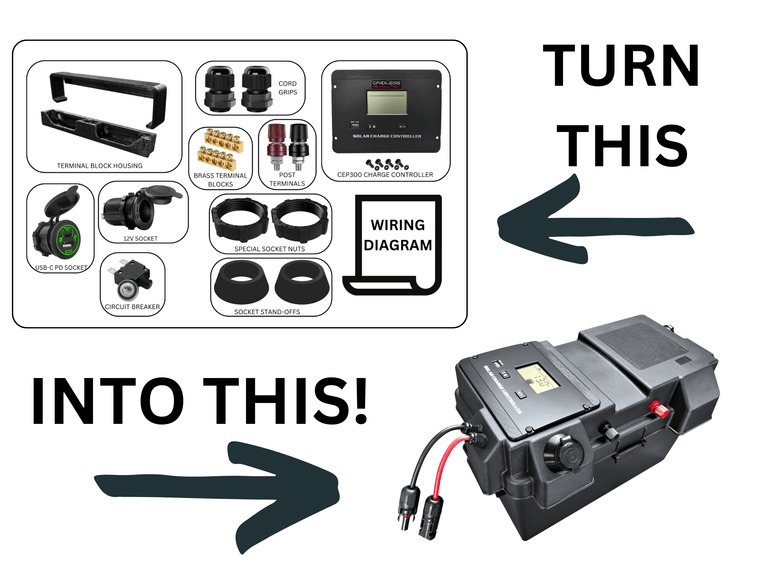
A charge controller manages the energy going to the batteries. It stops batteries from overcharging or discharging too much. This helps batteries last longer. Choose a controller that fits your system size. Some controllers also show how much power is being used. This feature can be very helpful.
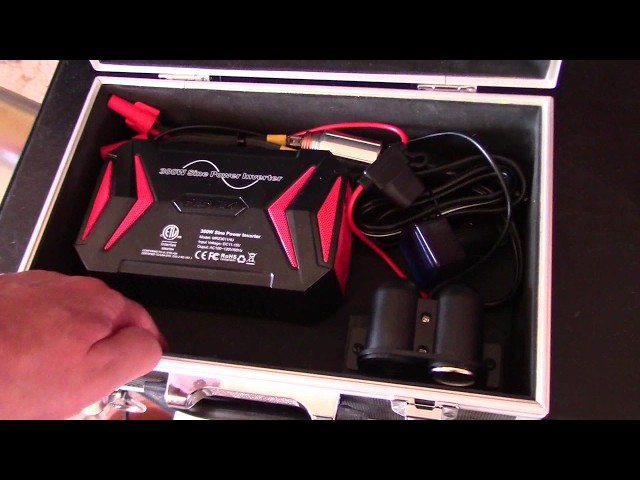
Inverters change the battery’s DC power to AC power. Most home devices use AC power. Choose an inverter with enough watts for your devices. Pure sine wave inverters work best with sensitive electronics. Modified sine wave inverters are cheaper but less efficient. Always check the inverter’s watt rating before use.
Selecting The Right Materials
Selecting the right materials ensures your mini solar generator is efficient and durable. Choose high-quality solar panels, a reliable battery, and a suitable inverter. These components work together to convert sunlight into usable energy effectively.
Choosing Solar Panels
Solar panels are like magic sheets that catch the sun. Pick panels that are small but strong. They need to fit your space. Look for panels with high efficiency. This means they catch more sun. Strong panels last longer and work better. Think about how much power you need. This helps in choosing the right size.
Battery Type And Capacity
Batteries store the sun’s energy. Choose a battery that’s safe and lasts long. Lithium batteries are light and powerful. Check the capacity; it shows how much power it can hold. More capacity means it can store more energy. Pick a battery that matches your power needs. This ensures your devices run longer.
Quality Charge Controllers
Charge controllers protect your battery. They make sure it doesn’t overcharge. Get a good quality controller. It keeps your battery healthy. Look for ones that show charging status. This helps you know how much power is left. A good controller keeps everything running smoothly.
Efficient Inverters
Inverters change the battery’s power to usable energy. Choose an efficient inverter. It should match your devices’ needs. Look for one that doesn’t waste energy. Efficient inverters save more power. This helps your devices work well. Make sure it fits your generator setup.
Designing The Setup
Begin by choosing a sunny spot for your solar panels. Ensure the area is free from shade. Arrange panels in a way to capture maximum sunlight. Consider the angle of the sun during different seasons. Place the battery and inverter close to the panels. This reduces energy loss through long wires. Keep the setup neat and organized. Plan for easy access to components for maintenance.
Wiring connects all parts of the generator. Use diagrams to plan connections. Ensure the wires are safe and secure. Connect solar panels to the charge controller. Then, connect the controller to the battery. Finally, link the battery to the inverter. Double-check all connections before powering up. Safety is important in wiring. Use color-coded wires for easy identification.
Assembly Process
Gather essential components like solar panels, a battery, and an inverter. Connect the panels to the battery using wires. Attach the inverter to the battery for converting stored power into usable electricity.
Mounting Solar Panels
Find a sunny spot for the panels. Use brackets for secure mounting. Make sure they face the sun directly. Adjust the angle for best sunlight capture. Check tightness of all screws and bolts. This ensures panels won’t move in wind.
Connecting Batteries
Use cables to connect batteries. Start by linking positive to positive. Then connect negative to negative. This forms a battery bank. Keep the connections tight. It helps in smooth energy flow. Double-check the battery voltage matches solar output.
Installing Charge Controller
Attach the charge controller to the battery bank. It manages the power flow. Connect the solar panel wires to the controller. This prevents overcharging. Ensure all connections are firm. A loose wire can cause issues.
Setting Up Inverter
Connect the inverter to the battery bank. This changes solar energy to usable power. Make sure the inverter’s capacity matches your needs. Plug appliances into the inverter. Test to see if everything works. If not, check all connections again.

Credit: revopower.us
Testing And Troubleshooting
Testing the mini solar generator ensures it works efficiently. Check all connections and components for proper functionality. Troubleshooting involves identifying issues like faulty wiring or low power output and fixing them promptly. Proper testing and troubleshooting can enhance the generator’s performance and longevity.
Checking Connections
Make sure all wires are tightly connected. Loose wires can stop the generator. Inspect for broken or frayed wires. Replace damaged wires quickly. Ensure the solar panel is facing the sun. It needs sunlight to work.
Monitoring Output
Check the voltmeter. It shows how much energy is made. Watch for consistent readings. If numbers drop, something is wrong. Listen for strange noises. They can mean trouble. Record daily output for patterns.
Common Issues And Fixes
- Battery not charging: Check the connections.
- Low power output: Clean the solar panel.
- Flickering lights: Inspect the inverter.
- Strange smells: Turn off and check for overheating.
Maintaining Your Solar Generator
Inspect your solar generator regularly to ensure it works well. Look for loose wires and connections. Tighten any loose parts to prevent damage. Check for cracks or wear on the solar panels. Early detection helps keep your generator running smoothly.
Solar panels need to be clean for best performance. Dust and dirt can block sunlight. Use a soft cloth and water to clean the panels. Avoid using harsh chemicals. Cleaning them often will help get more power from the sun.
Keep an eye on the battery’s health. Batteries store the energy from the sun. Check for leaks or corrosion on the battery. Replace old batteries before they fail. Healthy batteries ensure your generator has power when you need it.
Enhancing Efficiency
Building a mini solar generator boosts home energy efficiency. Harness sunlight by assembling solar panels, a battery, and an inverter. This setup provides renewable power, reducing electricity bills and dependency on the grid.
Optimizing Panel Placement
Panels need sunlight for power. Place them where they get the most sun. Avoid shadows from trees or buildings. Check the angle of the panels often. Adjust them to face the sun directly. This increases the energy collected. Use a compass to find the best direction. Keep panels clean to boost efficiency. Dust and dirt block sunlight. Regular cleaning helps in power generation.
Energy Consumption Tips
- Turn off devices when not in use. This saves energy.
- Use LED lights; they use less power.
- Unplug chargers once devices are charged.
- Limit the use of high-power devices.
- Track energy use with a meter. It helps in managing consumption.
Safety Tips
Always wear insulated gloveswhen touching wires or connectors. Ensure your hands are drybefore handling electrical parts. Keep children away from electrical components. Use tools with rubber gripsto avoid shocks. Double-check connections are tight and secure. Never touch exposed wires with bare hands. Make sure the power is turned offbefore working on the generator.
Protect your solar generator from rain and moisture. Use a waterproof boxto cover it. Check for any cracksor gaps in the box. Seal gaps with siliconeor weatherproof tape. Ensure all cables are properly insulated. Store the generator in a dry place when not in use. Keep the solar panels clean and dry. A clean panel works better and lasts longer.
Frequently Asked Questions
Is It Cheaper To Build Your Own Solar Generator?
Building your own solar generator can be cheaper if you source affordable components. DIY projects often reduce labor costs. However, professional installations ensure efficiency and reliability. Weigh the long-term benefits against initial savings to decide the best approach for your needs.
How Long Will A 1000 Watt Solar Generator Run A Refrigerator?
A 1000-watt solar generator can run a refrigerator for approximately 8 to 12 hours. This depends on the refrigerator’s efficiency and energy consumption. Always check the fridge’s wattage and the generator’s capacity for accurate estimates.
Can I Build My Own Solar Generator?
Yes, you can build your own solar generator. Gather solar panels, batteries, and an inverter. Connect these components correctly. Ensure proper safety measures and calculations. This DIY project can save money and provide renewable energy. Research thoroughly to ensure efficiency and reliability.
What Can A 3000 Watt Solar System Run?
A 3000 watt solar system can power essential appliances like refrigerators, TVs, lights, and small air conditioners. It supports home electronics, charging devices, and some kitchen gadgets. Usage depends on solar output and energy storage capacity. It’s suitable for average household needs.
Conclusion
Building a mini solar generator is simpler than it seems. It’s a practical project with real benefits. You can save money on electricity bills. Plus, it’s better for the environment. Learning to harness solar energy is a smart choice. It empowers you to use clean energy.
Follow the steps carefully. Double-check connections and placements. Ensure safety first. Soon, you’ll have a reliable power source. Perfect for emergencies or camping trips. Dive into this project today. Experience the joy of creating sustainable energy. You’ll be amazed by what you can achieve.