
Imagine waking up every day knowing that your home is powered entirely by the sun, free from the worries of rising electricity bills and power outages. You’re not just dreaming of a sustainable future; you’re living it.
Building a self-sufficient land generator powered by solar energy might seem challenging, but it’s entirely within your reach. This guide is designed to help you unlock the secrets to harnessing the sun’s power, transforming your property into an energy-efficient haven.
With just a few steps, you’ll be on your way to independence and savings. Ready to discover how you can take control of your energy needs? Dive in and learn how you can create a greener, more sustainable lifestyle with solar power.
Choosing The Right Location
Finding the perfect spot for solar panels is essential. Ensure it’s free from obstructions like trees or buildings. Maximize sun exposure by choosing a south-facing area.
Assessing Sunlight Exposure
Sunlight is important for solar power. Check how much sun hits the land. Avoid places with too many trees or buildings. Look for open spaces. More sun means more energy. Use a sunlight map to help.
Evaluating Land Size And Terrain
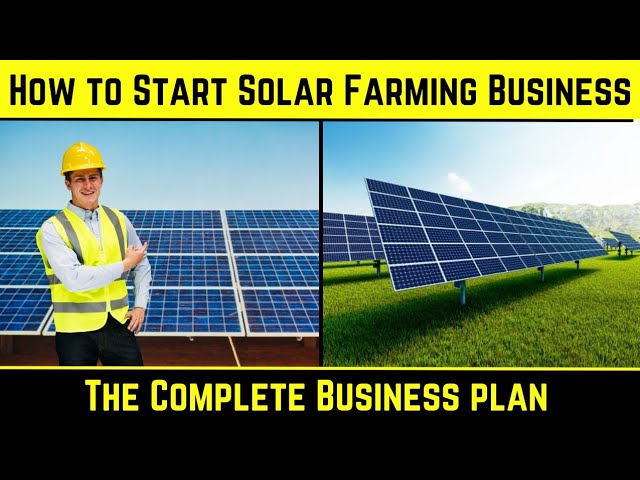
Size matters for solar panels. Bigger land can hold more panels. Flat land is easier to work with. Hills can be tricky. Check the soil, too. Strong soil holds panels better. Think about access roads. Easy access helps with setup.
Credit: m.youtube.com
Understanding Solar Power Basics
Solar panels come in different types. Monocrystalline panels are very efficient. They last a long time. Polycrystalline panels are cheaper. They are less efficient. Thin-film panels are flexible. They are easy to install. Each type has its own advantages. Choose the best one for your needs.
An inverter changes solar power to usable electricity. It turns DC power into AC power. AC power is what homes use. Inverters also help monitor energy usage. They ensure the system works smoothly. A good inverter is crucial for a solar setup.
Designing Your Solar System
Designing a solar power system for self-sufficient land requires careful planning. Consider energy needs, available sunlight, and budget. Choose efficient solar panels and batteries to store energy. Proper installation ensures optimal performance and longevity.
Calculating Power Needs
First, list all the appliancesyou want to power. Check their wattage. Add up the total wattage. This gives you an idea of your energy needs. Don’t forget to add some extra. This is for unexpected usage. Calculate your daily power usage. Multiply the total wattage by the hours of use. This helps in understanding how much energy you need each day.
System Layout Planning
Decide where to place your solar panels. Look for a spot with lots of sunlight. Make sure it’s not blocked by trees or buildings. Plan the path for wiring. Keep it safe and short. Shorter wires lose less power. Choose a place for the inverter. It changes solar power to usable power. Ensure easy access for maintenance. Think about battery storage if needed. This helps save power for later use.
Installation Process
Choose a sunny spot for your solar panels. Use a sturdy frame to hold them. Make sure the panels face the sun. This helps them get the most light. Secure the panels tightly. Check they do not wobble. A firm mount is key for safety. Keep panels clean for best results. Dirt can block sunlight.
Connect the panels to a charge controller. This protects your batteries from overcharging. Use thick wires to handle the power. Connect the charge controller to a battery bank. This stores the energy. Finally, link the battery bank to an inverter. The inverter changes the power for home use. Double-check all connections for safety. No loose wires are allowed.
Maintenance And Monitoring
Regular maintenance ensures your solar power system runs smoothly. Regular checks help identify issues early. Monitoring performance optimizes energy output.
Routine Checks
Regular checks keep your solar power system healthy. Always inspect panels for dirt and debris. Clean them gently with water and a soft cloth. Check for loose wires and connections. Tighten any that seem loose. Look for cracks or damage on the panels. Fix issues quickly to avoid bigger problems.
Performance Tracking
Keep track of how much power your system makes. Use a simple monitoring system to watch daily output. Compare this with past data to see changes. Low power might mean a problem. Check on sunny and cloudy days. This helps you see if the system works well. Regular tracking helps maintain peak performance.

Credit: www.facebook.com
Legal And Regulatory Considerations
Ensure compliance with local regulations before installing solar panels on your property. Obtain necessary permits to avoid legal issues. Research zoning laws to maintain harmony with community standards.
Permits And Zoning Laws
Building on land requires permits. Check local zoning laws first. These laws tell what is allowed on your land. Some areas have strict rules for solar setups. Ensure your plans meet these rules. Failure to comply can lead to fines. Sometimes, you might need special approval. Local authorities can help guide you.
Incentives And Rebates
Many places offer incentives for solar power. These can be rebates or tax breaks. Check with local government offices. They have information on available programs. Solar power can save you money. Incentives make it even more affordable. Knowing what’s available helps in planning your budget. Don’t miss out on these benefits.
Maximizing Efficiency
Maximizing efficiency with a self-sufficient land generator using solar power involves strategic planning and setup. Focus on selecting the right location for solar panels to capture maximum sunlight. Ensure proper energy storage to maintain power supply during cloudy days.
Energy Storage Solutions
Storing solar power is crucial. Batteries help hold energy for later. Lithium-ion batteries are common. They are efficient and reliable. Lead-acid batteries are cheaper. They are heavier and need more care. Choose a battery based on your needs. Energy storage helps during cloudy days. It makes solar power more stable.
Smart Usage Techniques
- Use energy-saving appliances. They need less power.
- Turn off devices when not in use. Saves lots of energy.
- Use timers for devices. Helps control energy use.
- Install smart meters. They track energy consumption.
- Plan energy use during sunny hours. Maximizes solar power.
Future-proofing Your System
Building a self-sufficient land generator with solar power ensures energy independence. Harness sunlight efficiently with panels and batteries. Create a sustainable system for reliable electricity, reducing reliance on external sources.
Technology Upgrades
Technology changes fast, so keep your system updated. New solar panels become more efficient each year. Better panels help collect more sunlight. Inverters also improve over time. A good inverter turns sunlight into power better. Check for new battery technology too. Batteries store your power for when you need it. Newer batteries last longer and hold more energy. Keep an eye on updates to save money and energy.
Scalability Options
Scalability means you can grow your system. Start small and add more panels later. This makes building your system cheaper at first. Adding more panels later is easy. Just make sure your setup can handle more power. Your inverter and batteries must be large enough. Plan ahead so your system can grow with you. A bigger system means more power for your needs.

Credit: shopsolarkits.com
Frequently Asked Questions
Is It Cheaper To Build Your Own Solar Generator?
Building your own solar generator can be cheaper. DIY projects allow you to source affordable components. You save on labor costs and can customize the system to fit your budget. Research and careful planning are essential for cost-effectiveness and efficiency.
What Is The 20% Rule For Solar Panels?
The 20% rule states solar panels typically convert about 20% of sunlight into electricity. Efficiency can vary based on panel type and conditions. This rule helps estimate expected energy output and system performance for solar installations.
How Long Will A 1000 Watt Solar Generator Run A Refrigerator?
A 1000-watt solar generator can run a refrigerator for about 8-10 hours. Actual duration depends on refrigerator power needs, solar panel efficiency, and battery capacity. Regularly check power usage and battery levels to ensure optimal performance.
Can I Build My Own Solar Generator?
Yes, you can build your own solar generator. Gather solar panels, a battery, a charge controller, and an inverter. Connect them carefully, ensuring correct wiring and safety measures. DIY solar generators can be cost-effective and tailored to your needs. Research thoroughly and follow guidelines for best results.
Conclusion
Building a self-sufficient solar power system is rewarding. You gain energy independence. Reduce environmental impact with clean energy. Start with a small setup. Expand it gradually as you learn. Ensure you choose efficient panels. Connect them properly for best results.
Regular maintenance helps them last longer. This investment pays off in savings. Enjoy reliable power from the sun. Embrace sustainable living with this green solution. Your efforts contribute to a healthier planet. Power your land wisely. Enjoy the benefits of solar energy.
A bright future awaits those who harness the sun.