
Imagine a power source right in your backyard that’s eco-friendly, reliable, and cost-effective. Building a small solar generator might sound complex, but it’s easier than you think and incredibly rewarding.
Whether you’re looking to cut down on energy bills or prepare for emergencies, harnessing solar power can be a game-changer for you. Picture the freedom of charging your devices or running small appliances without worrying about the electricity grid. Intrigued?
This guide will simplify each step, ensuring you’re equipped with everything you need to create your own solar power solution. Ready to tap into the sun’s endless energy and make it work for you? Let’s dive in and illuminate your path to energy independence!

Credit: www.jackery.com
Choosing The Right Components
Solar panels collect sunlight and turn it into energy. Pick a panel based on your power needs. Larger panels make more energy. Smaller panels are easier to carry. Look for panels with high efficiency. They produce more power even on cloudy days.
Batteries store energy for later use. Choose a battery that matches the panel’s power. Lithium batteries last longer and are lighter. Lead-acid batteries cost less but are heavier. Make sure the battery can hold enough energy for your needs.
A charge controller protects the battery from overcharging. It manages how much power goes into the battery. Pick a controller that fits your battery type. Some controllers have extra features like displays. These show how much power you have.
Planning The Design
Planning the Design Determine the power needs of your small solar generator. Consider the devices you will power. Choose suitable solar panels and batteries to match the energy requirements. Focus on efficiency and portability for easy use and installation.
Power Requirements
First, decide how much power you need. List all devices to power. Check each device’s watts. Add up all the watts. This gives your total power need. Always add extra 20% for safety. This helps on cloudy days. Make sure your solar panels can handle this.
Space Considerations
Check where to put your solar generator. Solar panels need sunlight. Find a spot with no shade. Measure the space you have. Know the size of your solar panels. Make sure they fit well. Consider how to protect them from rain or wind. Space is important for good energy.
Budgeting
Plan how much money you can spend. Solar panels and batteries cost money. Write down prices of each part. Compare prices from different stores. Look for sales or discounts. Stick to your budget. Make sure you buy good quality parts.
Assembly Process
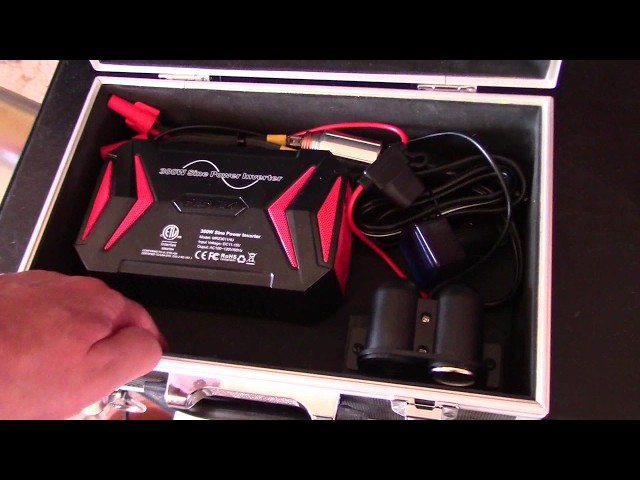
Building a small solar generator involves connecting solar panels to a charge controller. Next, link the controller to a battery. Finally, attach an inverter to the battery for usable power.
Connecting The Panels
Place the solar panels in a sunny spot. Connect the positive wire to the positive terminal. Attach the negative wire to the negative terminal. Use a screwdriver for tight connections. Make sure wires are not tangled. Double-check the connections for safety. This helps the panels capture sunlight well.
Wiring The Battery
Connect the battery to the solar panels. Use insulated wires for safety. Attach the positive wire to the positive terminal. Attach the negative wire to the negative terminal. Ensure the wires are tight and secure. This helps store the solar energy. Be careful to avoid any sparks.
Installing The Charge Controller
Place the charge controller near the battery. Connect the solar panel wires to the controller. Attach the battery wires to the controller. This prevents the battery from overcharging. Make sure all wires are secure. This keeps everything safe and efficient.

Credit: www.youtube.com
Testing And Troubleshooting
Testing and troubleshooting ensure your small solar generator works efficiently. Check connections for loose wires and faulty components. Use a multimeter to verify voltage output aligns with specifications.
Checking Connections
Inspect all wires and cables carefully. Make sure they are tightly connected. Look for any loose or frayed wires. Sometimes, a simple adjustment is needed. Check the connectors for rust or damage. Use a multimeter to ensure current flows smoothly. Ensure proper alignment of solar panels for optimal efficiency.
Monitoring Output
Use a voltmeter to check the power levels. Watch the display for any irregular readings. Keep track of the numbers regularly. Compare them with expected values. If output is low, adjust the solar panel angle. Clean the panels to remove dirt or debris. This helps in getting maximum power.
Addressing Common Issues
- Battery not charging: Check connections and solar panel placement.
- Low power output: Clean panels and adjust their position.
- Inconsistent readings: Ensure all wires are secure and undamaged.
- Device not working: Test battery health and replace if needed.
Maintenance Tips
Keep your small solar generator in top shape by regularly cleaning the solar panels. Check connections for any loose wires to ensure efficiency. Store the generator in a dry place when not in use to protect it from damage.
Cleaning Panels
Keep your solar panels clean for best performance. Dust and dirt can block sunlight. Use a soft cloth and water to wipe them. Avoid using harsh chemicals as they can damage the panels. Clean them every few months or after a storm. This helps the panels absorb more sunlight.
Battery Care
Take good care of your solar battery. Check the battery terminals for rust. Clean them with a damp cloth if needed. Avoid overcharging the battery. Follow the manufacturer’s guidelines for charging. Store the battery in a cool, dry place. This ensures a longer battery life.
Regular Inspections
Inspect your solar generator often. Look for any loose wires or parts. Tighten them if you find any. Make sure all connections are secure. Check the system performance regularly. A quick look can prevent bigger problems later.
Credit: www.youtube.com
Safety Precautions
Wear protective gloves and goggles to prevent injury while handling solar panels and electrical components. Ensure all connections are insulated properly to avoid electrical hazards. Work in a well-ventilated area to minimize exposure to fumes from batteries.
Handling Electrical Components
Always wear rubber gloveswhen touching wires. Keep your tools dryto prevent shocks. Use a voltage testerto check for live wires. Never touch wires with wet hands. Keep childrenaway while working.
Avoiding Overloading
Check the power ratingof each device. Use only devices within the generator’s limit. Too many devices can cause damage. Spread the load evenly across outlets.
Ensuring Proper Ventilation
Place the generator in a ventilated area. Avoid small, closed spaces. Fresh air is needed to keep it cool. Heat buildupcan be dangerous. Open windows or use fans if indoors.
Enhancing Efficiency
Building a small solar generator boosts efficiency in energy use. Gather solar panels, a battery, and an inverter. Assemble them to store solar energy for later use, ensuring a reliable power source.
Optimal Panel Placement
Placing solar panels in the best spot is key. Sunlight is strongest at noon. Make sure panels face the sun directly. Avoid shadows from trees or buildings. Panels work best when they are clean. Dirt or leaves can block sunlight. Tilt the panels for the best angle. The angle depends on where you live.
Upgrading Components
Better parts can make a solar generator work well. High-quality batteries store more energy. Choose efficient inverters for converting power. Strong cables help energy flow better. Keep connections tight for safety. Check parts often to ensure they work well. Replace old parts if needed.
Utilizing Energy Wisely
Use energy when the sun is bright. Turn off devices when not in use. Use energy-saving gadgets to save power. Store extra energy in batteries. Use only what you need. Plan your energy use smartly. This way, you save energy and money.
Frequently Asked Questions
Is It Cheaper To Build Your Own Solar Generator?
Building your own solar generator can be cheaper. You buy components individually, which often reduces costs. DIY projects may save money, but require technical skills and time. Pre-built generators cost more, but offer convenience and reliability. Consider your budget, skills, and energy needs before deciding.
Can I Build My Own Solar Generator?
Yes, you can build your own solar generator. Gather solar panels, batteries, and an inverter. Connect them properly to convert sunlight into electricity. Ensure all components match your power needs. Follow safety guidelines to avoid hazards. This DIY approach can save money and reduce your carbon footprint.
How Long Will A 1000 Watt Solar Generator Run A Refrigerator?
A 1000-watt solar generator can run a refrigerator for about 8-12 hours. The duration depends on the refrigerator’s energy consumption and generator efficiency. Consider energy-saving models for longer runtime. Always check the refrigerator’s wattage to ensure compatibility with the solar generator.
What Can A 3000 Watt Solar System Run?
A 3000-watt solar system can power essentials like lights, a refrigerator, a TV, and small appliances. It supports moderate energy needs for a small household. Usage depends on sunlight availability and energy efficiency. Always calculate specific energy consumption for accurate assessment.
Conclusion
Building a small solar generator is practical and rewarding. It supports sustainable energy use. The process is simple and cost-effective. You gain energy independence. Plus, it reduces electricity bills. Start with quality components. Follow each step carefully. Ensure connections are secure.
Test the system regularly. This DIY project empowers you. It enhances your understanding of solar energy. Enjoy clean, renewable power at home. It’s a step towards a greener future. Embrace this eco-friendly solution today. Your small solar generator awaits!