Are you tired of skyrocketing energy bills and looking for a sustainable solution? Imagine harnessing the power of the sun to fuel your devices, all while saving money and being eco-friendly.
Building your own 3000-watt solar generator might sound like a daunting task, but it’s easier than you think. With the right guidance, you can create a reliable source of energy that empowers your home or outdoor adventures. You’ll discover simple steps to construct a solar generator that suits your needs.
Get ready to unlock the secrets of solar power and revolutionize the way you consume energy. Your journey to energy independence starts here!

Credit: revopower.us
Materials Needed
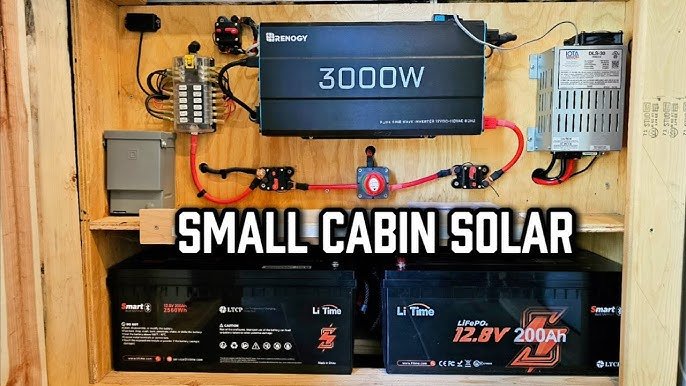
Gather essential materials like solar panels, a charge controller, an inverter, and deep cycle batteries. Include necessary tools such as wires, connectors, and mounting hardware. Ensure all components are compatible for optimal performance.
Solar Panels
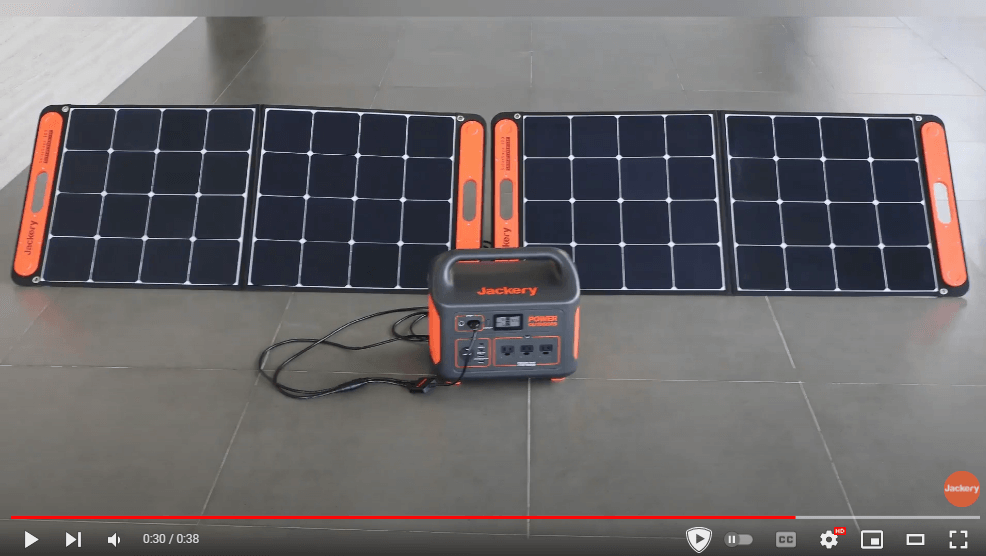
Solar panels are crucial for absorbing sunlight. Choose panels that can produce 3000 watts. Consider size and efficiency.
Battery Storage
Batteries store energy for later use. Lithium-ion batteries are durable. They can store a lot of power.
Inverter
An inverter changes solar power into usable electricity. Look for a 3000-watt inverter. It should be reliable and efficient.
Charge Controller
The charge controller protects your batteries from overcharging. Select a controller that suits your battery type. It helps improve battery life.
Cables And Connectors
- Cables connect all parts together.
- Ensure cables are thick and durable.
- Connectors join solar panels to other parts.
- Use quality connectors for a secure connection.
Designing The System
Designing the System Creating a solar generator requires selecting the right solar panels and batteries. Ensure all components match the 3000-watt requirement for optimal performance.
Calculating Power Requirements
First, list all devices you want to power. Check each device’s power in watts. Add up the total watts for all devices. This is your power requirement. Remember to include extra for unexpected needs. You might need 20% more power than you think. This helps in ensuring enough power always.
Selecting Solar Panels
Choose solar panels based on your power needs. A 300-watt panel can be a good start. You need enough panels to meet your power needs. More panels mean more power. Panels work best in direct sunlight. Make sure they face the sun. This helps them collect more energy. Clean them regularly for best results.
Choosing Battery Capacity
Batteries store the energy collected by panels. Get batteries with enough capacity. Check the battery’s capacity in amp hours. You might need several batteries for more storage. Batteries help during cloudy days or at night. Choose deep cycle batteries for best results. They last longer and are more efficient.
Building The Solar Generator
Start by gathering all the necessary materials. Use a strong metal frame for durability. Assemble the frame using screws and bolts. Ensure everything is tight and secure. The frame will hold the solar panels in place. Make sure it can withstand weather conditions. A stable frame is crucial for efficiency.
Place the solar panels on the frame. Align them properly for maximum sunlight. Secure the panels with brackets and screws. Make sure they are tilted at the right angle. This helps capture more sunlight. Connect the solar panels to a charge controller. The controller manages energy flow to the battery. Check connections to avoid any loose ends.
Choose a high-capacity battery for storage. Place the battery in a safe, dry spot. Connect it to the charge controller. Use thick cables for better electricity flow. Ensure all connections are tight and secure. The battery stores energy for later use. Regularly check the battery health. A good battery ensures uninterrupted power supply.
Wiring And Connections
Proper wiring ensures efficiency in building a 3000-watt solar generator. Connect solar panels to the charge controller, then to the battery bank. Finally, link the inverter for AC power conversion.
Wiring The Charge Controller
Connect the solar panels to the charge controller. Ensure the positive and negative wires are correctly placed. This helps in managing the solar power. Use thick wires for better safety. Thin wires may overheat.
Attach the battery to the charge controller next. Again, check the polarity. This will store the energy collected from the sun. The charge controller will prevent overcharging.
Connecting The Inverter
Link the inverter to the battery. The inverter changes the stored energy into usable power. Make sure the connections are tight. Loose connections can be dangerous. Use a wrench if needed.
Check the inverter’s power rating. It should match the battery capacity. This ensures efficiency and safety.
Safety Precautions
- Wear gloves to protect your hands.
- Ensure all devices are off before connecting.
- Keep water away from electrical parts.
- Double-check all connections for safety.
- Consult an expert if unsure.
Testing The System
Testing the System Ensure the solar panels are correctly connected to the generator. Use a multimeter to check voltage output. Confirm the inverter is functioning by connecting a small appliance. Monitor battery charge levels to ensure efficiency.
Checking Connections
Ensure all wires are securely connected. Loose wires can cause failures. Check the battery terminals for tightness. Verify that the solar panels are plugged in properly. Inspect for any damaged wires or connectors.
Monitoring Output
Use a multimeter to measure voltage. Watch the display panel for readings. Note any fluctuations in power output. Stable numbers mean the system works well. Keep a log of daily output for reference.
Troubleshooting Common Issues
- Check if the battery is fully charged.
- Inspect all connections for corrosion.
- Replace any damaged wires promptly.
- Ensure solar panels receive sunlight.
- Test the inverter for proper function.
Maintaining Your Solar Generator
Building a 3000-watt solar generator involves regular maintenance for efficiency. Clean panels often to ensure maximum sunlight absorption. Check battery connections to prevent power loss.
Regular Inspections
Check all connections and wires for wear. Replace any damaged parts quickly. Inspect the solar panels for cracks or dirt. Make sure the panels are firmly in place. Test the generator’s output regularly to ensure efficiency.
Battery Care
Keep batteries clean and dry. Avoid overcharging or draining the battery completely. Store batteries in a cool, dry place. Check battery levels often and recharge as needed. Replace old batteries to keep the generator working well.
Panel Cleaning
Use a soft cloth to clean solar panels. Avoid using harsh chemicals. Remove dust and dirt gently. Clean panels help gather more sunlight. Check panels after storms for damage or dirt.
Enhancing Efficiency
Building a 3000-watt solar generator boosts energy efficiency and reduces reliance on traditional power. Gather solar panels, a battery bank, an inverter, and a charge controller. Connect these components correctly for optimal power storage and usage.
Optimizing Panel Placement
Solar panels need the sun to work best. Place them where sunlight is strong. Avoid shadows from trees or buildings. Tilt panels to catch more sun. Check panel angles each season. Panels face south for more light. This boosts energy from your solar generator.
Upgrading Components
Better parts make your generator stronger. Use high-quality batteries to store energy. Choose an efficient inverter for better power conversion. Strong cables ensure good energy flow. Upgrade old parts for better performance. This helps your generator run smoothly.
Energy Conservation Tips
- Turn off devices when not in use.
- Use energy-saving lights and appliances.
- Charge devices during sunny hours.
- Monitor energy use with smart tools.
- Keep track of daily energy needs.
Credit: www.jackery.com

Credit: uk.vtoman.com
Frequently Asked Questions
Is It Cheaper To Build Your Own Solar Generator?
Building your own solar generator can be cheaper than buying one. DIY kits save labor costs and allow customization. You can select components to fit your budget and needs. While initial costs vary, careful planning can lead to substantial savings compared to purchasing a pre-built system.
How Many Solar Panels Do I Need To Run 3000w?
To generate 3000W, you typically need 10 to 12 solar panels, each rated at 300W. The exact number depends on sunlight availability and panel efficiency. Consulting with a solar expert can provide a precise estimate tailored to your specific location and energy needs.
How Long Will A 3000 Watt Solar Generator Run A Refrigerator?
A 3000-watt solar generator can run a refrigerator for around 24-36 hours. This depends on the refrigerator’s energy consumption, usually around 100-800 watts. Ensure efficient usage by minimizing door openings and maintaining optimal temperature settings. Always check the refrigerator’s wattage to calculate more accurately.
Can I Build My Own Solar Generator?
Yes, you can build your own solar generator. Gather components like solar panels, battery, and inverter. Assemble them based on a DIY guide or tutorial. Ensure proper connections and safety measures. Building your solar generator can save costs and provide renewable energy.
Conclusion
Building a solar generator is both rewarding and practical. It powers essential devices. You save money and help the planet. Follow each step carefully. Choose quality parts for best results. Double-check connections for safety. Enjoy the benefits of clean energy.
Solar power is sustainable and reliable. Your new generator will serve you well. It brings peace of mind during outages. Share your experience with others. Inspire them to embrace solar energy. It’s a small step towards a greener future. Stay committed to learning more.
Keep improving your setup over time. Your solar journey has just begun.