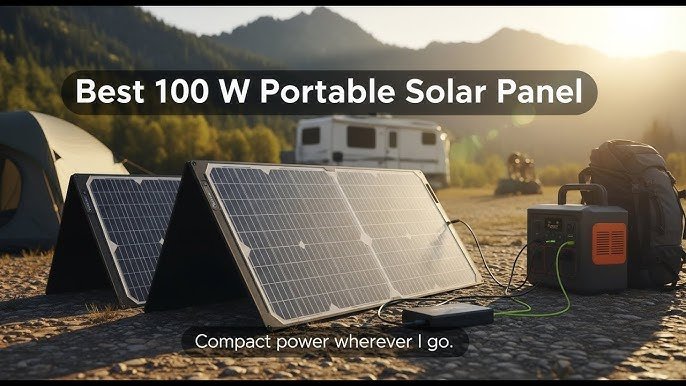
Imagine having a reliable source of cool air during those scorching summer days, without relying on traditional power sources. Intrigued?
You’re about to discover how to build a solar generator cooler, a perfect blend of innovation and sustainability. This guide will empower you to harness the sun’s energy, transforming it into a refreshing breeze. Not only does this project promise cost savings, but it also reduces your carbon footprint.
Whether you’re an eco-enthusiast or simply someone looking to explore new DIY projects, this is your chance to make a significant impact. Ready to dive into a world where you control the climate and the cost? Keep reading to unlock the secrets of crafting your own solar-powered oasis.
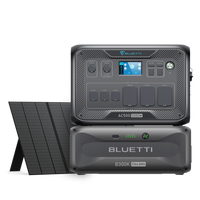
Credit: www.bluettipower.com
Materials Needed
Gather a solar panel, battery, inverter, and cooler box. Include necessary wiring, connectors, and tools. Ensure the cooler has adequate insulation for efficient cooling.
Solar Panels
Solar panels catch sunlight and turn it into energy. Choose panels that fit your space. Panels should be strong and durable. They need to be able to withstand weather.
Battery Storage
Batteries store energy from solar panels. They keep energy for use later. Choose batteries with large capacity. Make sure they last a long time.
Inverter
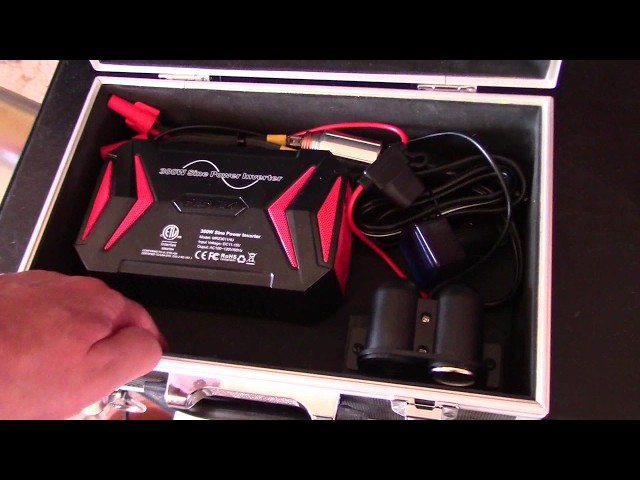
An inverter changes stored energy to usable power. It needs to match your solar panel’s output. Choose one with good efficiency. It should be reliable.
Cooler Unit
A cooler unit keeps things cold. Choose a unit that fits your needs. It should be energy efficient. Make sure it is easy to use.
Wiring And Connectors
Wiring connects all parts together. Choose wires that are thick and strong. Connectors join wires safely. They should be durable and secure.
Design And Planning
Pick a cooler with good insulation. It keeps things cold longer. The size should fit your needs. Not too big, not too small. Look for a cooler with a sturdy lid. This helps keep the cold air inside. Wheels can make moving it easier. A cooler with a drain plugis handy. It helps to remove melted ice quickly. Choose a cooler that suits your energy plan.
Figure out how much energyyour cooler uses. Check the power label on your cooler. It shows how many watts it needs. Write down how many hours you use the cooler daily. Multiply the watts by the hours. This gives total energy use in watt-hours. It helps in choosing the right solar panel. Keep energy needs efficientto save costs.
Find a solar panel that matches your energy needs. More wattage means more energy. But bigger panels cost more. Check the sunlight your area gets. More sun means more power. Choose a panel with enough capacity. It should meet or exceed your needs. Consider portable panels for easy transport. This helps in many situations.
Assembly Process
Building a solar generator cooler involves assembling solar panels, a battery pack, and a cooling fan. Connect these components to create an efficient, eco-friendly cooling system. This setup harnesses solar energy to power the cooler, making it ideal for outdoor activities.
Building The Frame
Start by choosing a strong material for the frame. Wood or metal are good options. Cut the material to size using a saw. Make sure all pieces fit well together. Use screws or nails to connect the pieces. Ensure the frame is stable and balanced. This will hold all the parts securely.
Connecting Solar Panels
Place the solar panels on top of the frame. Use brackets to secure them tightly. Connect the wires from the solar panels. Make sure the connections are tight and safe. This ensures the panels can gather sunlight easily. Always handle the panels with care.
Installing The Battery
Place the battery inside the frame. Use a battery holder if needed. Connect the battery to the solar panels. Ensure the connections are secure and correct. This lets the battery store energy safely. Keep the battery in a cool and dry place.
Mounting The Cooler
Position the cooler inside the frame. Secure it with straps or brackets. Connect the cooler to the battery. Make sure the cooler can run smoothly. Check all connections before use. This keeps your items cool using solar power.
Wiring And Connections
Connecting wires correctly is key in building a solar generator cooler. Use insulated wires to prevent short circuits. Connect the solar panel to the charge controller, then to the battery, and finally to the cooler. Ensure all connections are tight for efficient power flow.
Setting Up The Inverter
Connect the inverter to the battery carefully. Ensure all wires are secure. The inverter changes battery power to usable electricity. This helps run the cooler smoothly. Use proper connectors for strong connections. Avoid loose or frayed wires. This keeps the power flow steady.
Linking The Battery And Cooler
Attach the battery to the cooler using correct cables. Match positive to positive and negative to negative. This prevents damage to the equipment. Check the connections twice for safety. Make sure everything is tight and snug.
Ensuring Safety Measures
Safety is very important. Wear gloves to protect your hands. Keep water away from all connections. Check for any sparks or short circuits. This can prevent accidents and keep everyone safe. Double-check every step before turning it on.
Testing And Troubleshooting
Testing and troubleshooting a solar generator cooler ensures it functions efficiently. Check connections for security and look for any loose wires. Verify the solar panel’s orientation for optimal sun exposure to maximize energy capture.
Checking Power Output
Check the power outputof your solar generator. Use a voltmeter for accuracy. Make sure all connections are tight. Loose connections can cause problems. Ensure the solar panels get enough sunlight. Blocked sunlight lowers power output.Monitoring Cooler Efficiency
Monitor how well the cooler works. Place a thermometer inside the cooler. Measure the temperature regularly. Ensure the cooler is well-sealed. Leaks can make it less efficient. Listen for any unusual sounds. Strange noises might indicate a problem.Addressing Common Issues
Look for common issueslike battery problems. Replace old batteries for better performance. Inspect wires for any damage. Damaged wires can stop the system. Ensure the fan inside the cooler works well. If it’s broken, replace it. `Maintenance Tips
Solar panels should always be clean. Dirty panels won’t work well. Use a soft cloth for cleaning. Avoid using hard brushes. They can scratch the surface. Clean panels every month. It helps them catch more sunlight.
Check batteries often. Ensure they are charged. Look for any leaks. Leaky batteries can be dangerous. Replace old batteries. This keeps your cooler running smoothly. Batteries should be checked every two weeks.
- Inspect cooler parts regularly.
- Check for any wear and tear.
- Ensure seals are tight.
- Clean the inside and outside.
- Keep the cooler dry when not in use.
Enhancements And Upgrades
Building a solar generator cooler involves upgrading its efficiency with enhanced solar panels and battery storage. Ensure optimal cooling by integrating high-quality ventilation and energy-efficient fans.
Increasing Battery Capacity
Boosting battery capacity means longer power storage. Choose a bigger battery for extra energy. Larger batteries keep your cooler running for hours. Check the battery size before buying. Bigger batteries need more space. Make sure your cooler has room for it. Extra capacity helps during cloudy days. Your cooler keeps working when sun isn’t shining.
Adding Additional Solar Panels
More solar panels capture more sunlight. They give your cooler extra power. Extra panels mean faster charging. Your cooler works better with more energy. Choose panels that fit well. Make sure they connect easily. Extra panels may need a new spot. Place them where sunlight is strong. Panels help when there’s less sun.
Advanced Cooling Options
Advanced cooling keeps things extra cold. Choose fans or chillers for better cooling. Fans move air faster. Chillers make air cooler. Use both for best results. Check that your cooler supports them. Advanced options need more power. Make sure your battery can handle it. Cooling helps keep food fresh longer.
Credit: www.youtube.com

Credit: www.youtube.com
Frequently Asked Questions
How Long Will A 1000 Watt Solar Generator Run A Refrigerator?
A 1000-watt solar generator can run a refrigerator for 10-12 hours. The exact duration depends on the fridge’s energy consumption and battery capacity. Efficient models may extend this runtime. Always check the fridge’s wattage and generator specifications for accurate calculations.
Is It Cheaper To Build Your Own Solar Generator?
Building your own solar generator can be cheaper, but depends on component quality and sourcing. DIY projects may save money compared to commercial kits, yet require technical skills and time. Consider long-term efficiency and reliability to ensure cost-effectiveness. Research thoroughly to understand potential expenses before deciding.
Do Solar-powered Coolers Work?
Solar-powered coolers work by harnessing solar energy to keep items cool. They are effective and eco-friendly. These coolers are ideal for outdoor activities where electricity is unavailable. Efficiency depends on sunlight exposure and cooler design. Their portability and energy savings make them a popular choice for sustainable cooling solutions.
How To Create A Solar Powered Fan?
To create a solar-powered fan, connect a solar panel to a DC motor. Attach fan blades to the motor shaft. Ensure the solar panel provides sufficient power to run the motor efficiently. Secure all components and position the solar panel under sunlight for optimal performance.
Conclusion
Building a solar generator cooler is practical and eco-friendly. It’s a great way to keep food and drinks cool. Plus, it uses clean energy. You save money and help the planet. Follow the steps carefully for success. Gather the right materials beforehand.
Test your setup to ensure it works. Share your creation with friends and family. They’ll appreciate the innovation. Enjoy your cold drinks powered by the sun. This project is rewarding and educational. Dive in and start building today. A solar cooler is within your reach!