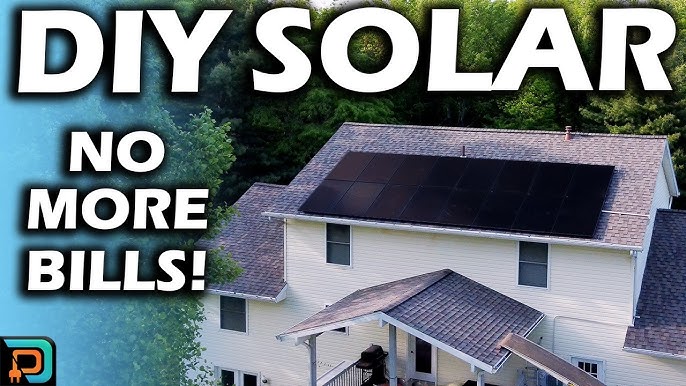
Imagine having the power to harness the sun’s energy without spending a dime. Yes, you read that right.
Building your own solar generator for free is not only possible but also incredibly rewarding. You’re about to discover a step-by-step guide that will unlock the secrets of crafting your very own solar powerhouse from materials you might already have.
This isn’t just a project; it’s an opportunity to gain energy independence and reduce your carbon footprint. Curious to learn how you can achieve this and maybe even inspire your neighbors? Keep reading, because what you’ll find might just change the way you think about energy forever.
Benefits Of A Solar Generator
Solar generators are clean energy sources. They don’t pollute the air. Using solar power helps the planet. It reduces harmful gases. This helps fight climate change. Sunlight is free and unlimited. Solar energy is renewableand sustainable. This means it never runs out. Using solar energy is a smart choice. It keeps our Earth healthy.
Solar generators save money over time. Sunlight is free. Once installed, they need little upkeep. No need to buy fuel. This means more money saved. Electricity bills go down. Solar power is a great investment. It’s a one-time cost for lasting savings.
Solar power gives freedom. No need to depend on power companies. Sunlight is always there. Even in remote areas, it works. This means power during outages. You can have electricity anywhere. Solar generators make you self-sufficient. They offer reliable power always.

Credit: www.youtube.com
Essential Components
Solar panels, a battery, and an inverter are crucial for building a solar generator. Connect solar panels to charge the battery. Use an inverter to convert stored power to usable electricity.
Solar Panels
Solar panels catch sunlight and change it into electricity. They are the main part of a solar generator. Choose panels with high efficiency for better performance. Place them in a sunny spot for maximum power. Connect the panels properly to the rest of the system.
Battery Storage
Batteries store the energy from the solar panels. You use this stored energy when there is no sunlight. Select deep-cycle batteries as they last longer. Ensure the battery capacity matches your energy needs. Keep batteries in a cool, dry place.
Inverter
An inverter changes the stored DC power to AC power. This makes it useful for home appliances. Choose an inverter that fits your power use. Make sure it is compatible with your battery and solar panel setup.
Charge Controller
A charge controller keeps the battery from overcharging. It controls the power flow from the solar panel. Pick a controller that matches your system’s voltage and current. This ensures safety and long battery life.
Gathering Materials
Search for old electronics and batteries. Ask neighbors for unused items. Visit local recycling centers for broken panels. These places often have free parts. Use online forums to find more resources. Look for free items in classifieds. Recycle to help the planet and save money.
Visit thrift stores for cheap materials. Look for sales on solar parts. Compare prices online for the best deals. Buy second-hand items when possible. Use discount codes to save money. Check local hardware stores for offers. Ask friends if they have spare components.
- Screwdriver set for assembly
- Wire cutters to trim wires
- Multimeter to check voltage
- Drill for making holes
- Soldering iron for connections
- Safety goggles for eye protection

Credit: www.youtube.com
Building The Solar Panels
Start by gathering all the solar cells. Connect them in a series to produce more power. Use a soldering iron carefully. Attach wires to the back of each cell. Make sure each cell is connected properly. This ensures smooth power flow. Check connections for any loose wires. Tighten any that seem loose. This helps in keeping power flow steady.
Build a sturdy frame for the solar cells. Use wood or metal for durability. Make sure the frame is the right size. It should fit all cells snugly. Secure the cells inside the frame. Use strong glue or fasteners. This keeps cells in place. Test the frame for stability. It should hold up well in all conditions.
Protect your solar panel from weather damage. Use a clear waterproof sealant. Apply it over the entire panel. This prevents water from reaching the cells. Check for any gaps in the sealant. Fill them to ensure complete coverage. Add a layer of glass for extra protection. This keeps the panel safe from rain and dust.
Assembling The Battery Storage
Align battery cells securely in the storage box to ensure stability. Connect the cells using bus bars for efficient power flow. Ensure connections are tight to prevent energy loss and enhance generator performance.
Choosing Battery Type
Pick a battery that can store energy. Lithium-ion batteries are light and last long. Lead-acid batteries are cheaper but heavier. Choose based on your needs. Make sure it fits your solar setup.
Connecting Batteries
Link the batteries to work together. Use cables to connect them. Ensure positive and negative ends are in the right place. Secure all connections tightly. A bad connection can waste energy.
Safety Precautions
Safety is very important. Wear gloves and goggles. Never touch both ends of a battery. Check for leaks or damages before using. Keep batteries away from heat. Follow all safety rules.
Installing The Inverter
Carefully place the inverter near your solar panels. Connect it using the proper cables and ensure all connections are secure. Verify the system’s functionality by checking voltage levels and power output.
Purpose Of An Inverter
An inverter changes DC power to AC power. Solar panels make DC power. Most home devices use AC power. Inverters help solar panels power your home. They are crucial for solar systems.
Wiring Instructions
Connect the solar panel to the charge controller. The controller goes to the battery. Use safe wires for connections. Connect the inverter to the battery. Check connections carefully. Secure wires with clips.
Testing Output
Turn on the inverter after connecting. Use a voltmeter to check output. The reading should match expected values. If not, check wiring again. Be sure the battery has charge. Test with a small device first.
Setting Up The Charge Controller
Ensure the charge controller is compatible with your solar panels and battery. Connect the solar panels to the controller, then the controller to the battery. Follow the manufacturer’s instructions for optimal setup and safety.
Functionality Of Charge Controller
A charge controlleris like a traffic cop for electricity. It makes sure solar panels send the right amount of power to the batteries. Without it, batteries might get too much power and get damaged. The controller also stops power from flowing back from the battery to the panels at night. This is important to keep everything safe and working well.
Installation Process
Connect the charge controllerto the battery first. Use the right cables and connectors. Then, link the controller to the solar panels. Make sure all connections are tight and secure. Follow the instructions carefully to avoid mistakes. Ensure that the solar panels are in sunlight. This helps them generate power efficiently.
Monitoring Charge Levels
Check the charge controller display often. It shows how much power is in the battery. If the battery is full, the controller will stop charging it. This prevents battery damage. You can adjust settings on some controllers. Make sure the battery doesn’t get too low. This helps it last longer.

Credit: www.youtube.com
System Integration
Discover how to build a solar generator for free by integrating system components effectively. Harness solar energy with accessible materials and simple instructions. Enhance your DIY skills and create sustainable power solutions without spending a fortune.
Connecting Components
Gather all the solar parts. Connect the solar panel to the charge controller. Use wires for this connection. Then, link the charge controller to the battery. Ensure the connections are snug and secure. Finally, connect the battery to the inverter. This allows the stored energy to convert into usable power. Be careful with every step. Proper connections ensure safety and efficiency.
Testing The System
Turn on the solar panel. Check if it charges the battery. Observe the charge controller lights. They should indicate power flow. Use a multimeter to measure voltage. Confirm the battery is receiving charge. Test the inverter by plugging in a small device. Ensure it powers on. This confirms the system works well.
Troubleshooting Common Issues
- Check all wire connections for tightness.
- Inspect the solar panel for any damage.
- Ensure the charge controller settings are correct.
- Replace faulty components if needed.
- Consult a solar expert if problems persist.
Maintenance And Care
Perform regular checks on your solar generator. Ensure all connections are tight. Look for any loose wires or parts. This keeps the system working well. Check for signs of wear or damage. Replace any faulty parts immediately. Regular checks prevent unexpected failures.
Keep solar panels clean for best performance. Dust and dirt can block sunlight. Use a soft cloth or sponge. Avoid harsh chemicals. Clean panels once a month. This ensures maximum energy collection. Rain can help clean, but not always fully. Be gentle to avoid scratches.
Check battery health often. Fully charge it to maintain life. Avoid letting it drain completely. Store in a cool, dry place. Heat can damage batteries. Check for leaks or corrosion. Clean terminals gently if needed. Good care makes batteries last longer.
Tips For Maximizing Efficiency
Building a solar generator for free can boost efficiency in energy use. Gather solar panels, batteries, and an inverter. Connect them correctly to store and convert solar energy for daily use.
Optimal Panel Placement
Place solar panels where the sun shines the most. Avoid shadows from trees or buildings. Panels should face the sun directly. In the north, aim them south. In the south, aim them north. Use a tilt that matches your latitude. This helps capture the most sunlight.
Seasonal Adjustments
Sunlight changes with seasons. Adjust your panels in winter. Tilt them higher to catch the low sun. In summer, lower the tilt. This matches the high sun angle. Check panel angles every few months.
Usage Strategies
- Use solar power during the day.
- Run big appliances when the sun is out.
- Store excess power in batteries.
- Turn off devices not in use.
- Monitor the system’s performance regularly.
Frequently Asked Questions
Can I Build My Own Solar Generator?
Yes, you can build your own solar generator. Gather solar panels, a charge controller, batteries, and an inverter. Assemble them following a guide or tutorial. Ensure all components are compatible and safely connected. This DIY project saves money and provides renewable energy.
How Long Will A 1000 Watt Solar Generator Run A Refrigerator?
A 1000 watt solar generator can run a refrigerator for about 5 to 12 hours. The exact duration depends on the refrigerator’s energy consumption, usually between 100 to 800 watts. Always check the refrigerator’s energy label for precise wattage to estimate running time more accurately.
Is It Cheaper To Build Your Own Solar Generator?
Building your own solar generator can be cheaper. Costs depend on components and DIY skills. Purchasing parts separately often saves money. Customizing the setup to your needs may reduce expenses. Professional systems include labor costs, which you avoid by building yourself.
Consider your expertise and potential savings before deciding.
What Can A 3000 Watt Solar System Run?
A 3000 watt solar system can run essential appliances like lights, fans, TVs, and small refrigerators. It also powers computers and charging devices. Usage varies with energy efficiency and sunlight availability. Consider energy-saving appliances for optimal performance.
Conclusion
Building a solar generator can be fun and rewarding. Save money and learn new skills. With basic materials, it’s possible to create your own. Solar energy is clean and sustainable. It reduces reliance on conventional power sources. Step by step, you can achieve this goal.
Enjoy the benefits of renewable energy. Share your experience with others. Inspire them to try building their own. A small effort today leads to big savings tomorrow. Embrace the power of the sun. Start your solar journey now. It’s a bright choice for a greener future.