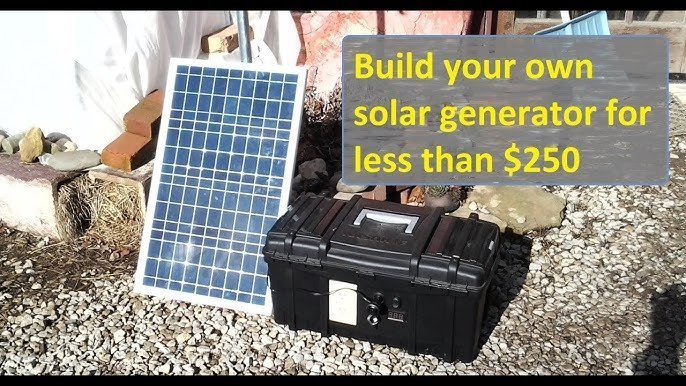
Imagine harnessing the power of the sun to create your own electricity. Sounds like science fiction, right?
But it’s not. With just a few simple steps, you can build a solar generator that taps into renewable energy. This means you can lower your energy bills and reduce your carbon footprint. Plus, having a solar generator offers peace of mind during power outages and emergencies.
In this guide, we’ll walk you through the process of building a solar generator from scratch. You’ll learn about the components needed, how to put them together, and how to maintain your solar generator for long-term use. Whether you’re a seasoned DIY enthusiast or a newbie looking to dip your toes into green energy, this step-by-step approach will make it easy for you. Are you ready to take control of your energy needs? Let’s get started on creating your very own solar generator.

Credit: www.axionpower.com
Benefits Of A Solar Generator
Solar generators are cleanand renewable. They help reduce air pollution. Sunlight is a freeresource. Using solar energy lowers carbon footprint. Solar power is sustainable. It protects nature and wildlife.
Solar generators save money over time. Electricity bills become lower. Initial costs can be high. But savings grow with use. Maintenance costs are low. No fuel is needed. Sunlight is free and abundant.
Solar generators provide energyanytime. No need for grid electricity. Perfect for remote places. Great during power outages. Portable solar generators are handy. They offer energy freedom. You can rely on them anywhere.
Essential Components
Solar panels take sunlight and turn it into energy. You need panels with good efficiency. More panels mean more power. Panels work best in direct sunlight. Check the panel’s size to fit your space. The angle of the panel also affects performance. Use a sturdy mount to hold them steady.
Batteries store energy for later use. They keep power for night or cloudy days. Choose batteries with good capacity. More capacity means more stored energy. Regularly check the battery health. Ensure proper connections for safety.
A charge controller manages the energy flow. It stops batteries from overcharging. Overcharging can damage batteries. Use the right controller for your system. It helps in efficient energy use. Controllers also protect against short circuits.
An inverter changes battery power to usable electricity. It converts DC to AC power. Choose an inverter with enough wattage. Wattage decides the power limit. Ensure compatibility with your devices. Inverters come in different sizes. Pick one that meets your needs.
Tools And Materials Needed
Gather essential tools and materials like solar panels, batteries, an inverter, and charge controller. Include wiring, connectors, and basic hand tools for assembly.
Tools List
- Screwdriver– For assembling parts.
- Drill– To make holes for screws.
- Wire Cutter– To cut wires safely.
- Soldering Iron– To connect wires firmly.
- Multimeter– To check electrical flow.
Materials Checklist
- Solar Panels– These capture sunlight.
- Battery– Stores energy from the sun.
- Charge Controller– Manages battery charge.
- Inverter– Converts energy for use.
- Cables– Connect all components together.
Choosing The Right Solar Panels
Selecting solar panels can be confusing. Focus on energy needs and space. Check panel efficiency and durability.
Types Of Solar Panels
There are three main types of solar panels. Monocrystalline panels are efficient and sleek. Polycrystalline panels are cheaper, but less efficient. Thin-film panels are lightweight and flexible. Each type has its own benefits.Efficiency Considerations
Efficiency tells how well a panel converts sunlight. Monocrystalline panels have the highest efficiency. Polycrystalline panels are less efficient but still good. Thin-film panels have the lowest efficiency. Choose based on your space and budget.Sizing And Specifications
Panel size affects power output. Larger panels make more power. Check the wattage to know output. Consider your energy needs before buying. Measure the space for your solar panels. Ensure they fit and meet your energy needs. `Selecting Battery Storage
Selecting the right battery storage is crucial for building an efficient solar generator. Consider capacity, lifespan, and compatibility with your solar panels. Opt for batteries with good energy retention and safety features to ensure reliable power supply.
Battery Types
There are different types of batteries you can use. Lead-acidbatteries are common and affordable. Lithium-ionbatteries are lighter and last longer. Each type has its own pros and cons. Choose the one that fits your needs and budget.
Capacity And Voltage
Battery capacity tells how much power it can store. Measured in ampere-hours (Ah). Voltage is the power strength, measured in volts (V). Choose batteries with enough capacity for your devices. Make sure the voltage matches your system needs.
Safety Tips
- Always keep batteries dry and clean.
- Do not overcharge or undercharge them.
- Store them in a safe, cool place.
- Follow all manufacturer instructions.

Credit: www.youtube.com
Installing The Charge Controller
Installing the charge controller ensures efficient power management in your solar generator system. Connect it between the solar panels and the battery to regulate voltage, preventing overcharging and maintaining battery health.
Functionality
The charge controller is like a traffic cop for your solar power. It controls the flow of electricity from the solar panels to the battery. This prevents the battery from getting too much power. It also stops the battery from draining too much. This keeps your battery healthy and working well.
Wiring Instructions
Connect the solar panels to the charge controller. Use wires that match the charge controller’s size. Make sure the wires are not too loose or tight. Connect the charge controller to the battery. Double-check all connections. This ensures the solar generator works safely and efficiently.
Troubleshooting
- Check all connections if the generator doesn’t work.
- Look for loose or broken wires.
- Ensure the battery is not dead.
- Confirm the solar panels are facing the sun.
- Reset the charge controller if needed.
Connecting The Inverter
Ensure the inverter is correctly wired to the solar generator. Connect cables securely to avoid power loss or damage. Check the connections twice to ensure safety and efficiency.
Purpose And Function
The inverter changes solar energy into usable power. It turns DC power from the solar panels into AC power. This AC power is what most home appliances use. The inverter is key for making solar energy useful. It ensures the power is safe and efficient. Without it, solar panels can’t power home devices.
Installation Steps
- Place the inverter near the battery.
- Connect the battery to the inverter.
- Use thick wires for a safe connection.
- Check all connections are tight.
- Turn on the inverter to test it.
Maintenance
Keep the inverter clean and dry. Check connections for rust or damage. Ensure the cooling fans work well. Listen for strange noises when the inverter runs. Regular checks ensure long-lasting performance. Always follow safety guidelines during checks.
Assembling The Framework
Assembling the framework involves connecting the solar panels, battery, and inverter securely. Ensure each component fits precisely for optimal performance. Proper alignment and connection guarantee efficient energy flow in your solar generator.
Creating a strong support structure is important. Use wood or metal beams. Measure the space carefully. Cut the beams to the right size. Make sure they fit well together. Use screws to hold them tight. Check that the structure is stable. Place the solar panels onto the support. Align them properly. Secure each panel with brackets. Use screws to fix them in place. Attach the battery and inverter to the frame. Ensure they are safe and secure. Connect the wires carefully. Ensure all connections are tight and secure. Double-check everything to avoid any mistakes. `Testing The System
Testing the system ensures your solar generator works efficiently. Begin by checking connections and battery performance. Next, verify the inverter’s output and solar panel alignment to confirm energy flow.
Initial Checks
Check all wiresfor tight connections. Ensure the batteryis fully charged. Inspect solar panels for any damage. Verify the inverteris correctly set up. Examine all cablesfor wear or tear. Look at the controllerfor proper settings.
Performance Evaluation
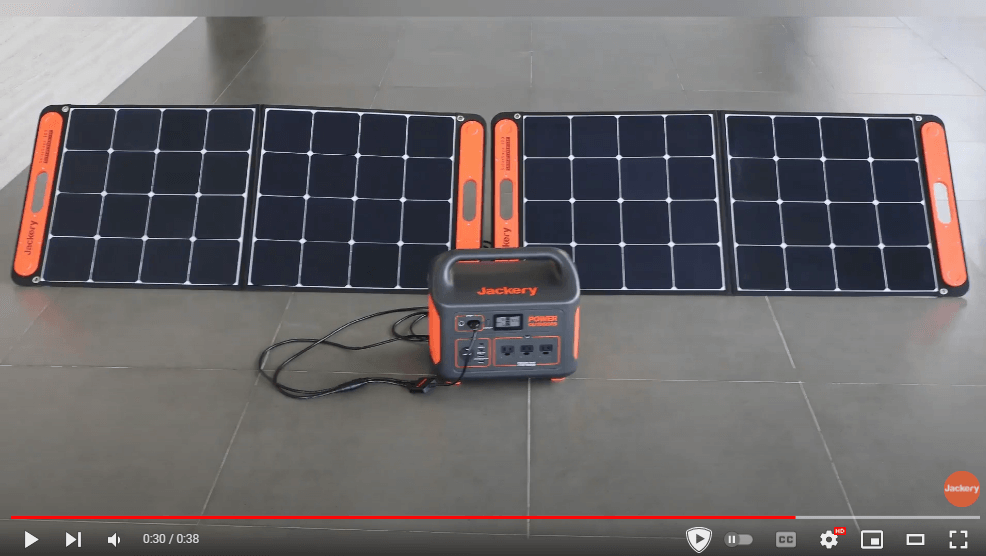
Turn on the solar generator. See if the lights work. Plug in a small device. Watch if it charges well. Measure the power output. Confirm it matches expected levels. Listen for any strange sounds. Check the temperatureof components. Ensure they are not overheating.
Credit: www.jackery.com
Maintenance Tips
Regular checks ensure your solar generator runs efficiently. Clean panels to boost power absorption. Inspect connections for wear, preventing power loss and hazards.
Regular Inspections
Check your solar generator often. Look for any damaged wires or loose connections. Ensure the solar panels are clean. Dirt can block sunlight. Use a soft cloth to wipe them. Check the battery levels too. It should not be overcharged or empty. Keep it charged between 20% and 80%. This helps the battery last longer. Listen for any strange noises. This can mean a problem.
Upgrading Components
Sometimes, parts need upgrades. Batteries might need replacing after a few years. Choose high-quality batteries for better performance. Inverters can also be upgraded. Newer models are more efficient. If your panels seem old, consider new solar panels. They might gather more sunlight. Use parts that fit well with your system. This keeps everything running smoothly.
Frequently Asked Questions
Can You Build Your Own Solar Generator?
Yes, you can build your own solar generator. It involves assembling solar panels, batteries, an inverter, and a charge controller. With basic DIY skills and components, you can create a cost-effective, eco-friendly power source. Always ensure proper safety measures and follow instructions to avoid any electrical hazards.
How Long Will A 1000 Watt Solar Generator Run A Refrigerator?
A 1000 watt solar generator can run a refrigerator for about 6-12 hours. This depends on the refrigerator’s wattage, efficiency, and generator’s battery capacity. Always check your fridge’s power usage to estimate runtime accurately.
What Size Solar Generator Do You Need To Run A House?
To run a house, a solar generator should be between 5,000 to 10,000 watts. This capacity covers essential appliances and lighting. Always consider your home’s energy consumption and weather conditions for accurate sizing. Consult a professional to determine the right size for your specific needs.
What Can A 3000 Watt Solar System Run?
A 3000 watt solar system can power essential household appliances. It can run a refrigerator, lights, fans, a TV, and a computer. It supports small kitchen appliances and charging devices. Energy usage depends on sunlight hours and efficiency. Always check specific power requirements for accurate usage.
Conclusion
Building a solar generator can be simple and rewarding. Follow the steps, and you’ll harness solar power. You’ll save energy and reduce your carbon footprint. Plus, it’s a handy backup during power outages. Remember, patience and precision are key. Double-check your connections and components.
Safety first, always. Enjoy the benefits of clean energy. Share your experience with friends and inspire others. Solar energy is the future, and you’re a part of it. Enjoy the journey to greener living. With your solar generator, you take control of energy use.
Happy building!