
Imagine harnessing the power of the sun to meet your energy needs without breaking the bank. Sounds incredible, right?
Well, it’s entirely possible. You can build your own solar power generator for under $300. This isn’t just about saving money; it’s about gaining energy independence and reducing your carbon footprint. You’re probably wondering if this project is too complex or if you’ll need a degree in engineering.
Rest assured, it’s simpler than you think. With the right guidance, you’ll be able to assemble a solar power generator that fits your budget and needs. Picture yourself reducing your electricity bills while contributing to a cleaner planet. This guide will walk you through each step, ensuring you understand what you need and how to put it all together. By the end, you’ll not only have a functional solar power generator but also the pride of having built it yourself. Let’s get started on transforming how you power your life.
Choosing The Right Components
Selecting the right components is crucial for building a solar power generator under $300. Prioritize efficient solar panels, a reliable inverter, and a durable battery. Each piece plays a vital role in harnessing solar energy effectively. Make smart choices to ensure your setup is affordable and functional.
Solar Panels
Solar panelsare essential for your generator. They capture sunlight and turn it into energy. For a budget-friendly option, choose panels with 100 watts. These are often affordable and easy to find. Look for panels with high efficiency. This means they can capture more sunlight.Charge Controller
charge controllerprotects your battery. It stops it from overcharging. Choose a controller that matches your solar panel’s power. It ensures smooth power flow. This keeps your setup safe.Battery Options
Batteriesstore the energy from your solar panels. Choose a deep cycle battery. These are best for solar power. Lead-acid batteries are budget-friendly. They are reliable and easy to use.Inverter Selection
inverterchanges stored energy into usable power. Pick one with the right wattage. It should match your device needs. Pure sine wave inverters are good. They provide clean and stable power. `
Credit: www.jackery.com
Tools And Materials Needed
Gather essential tools like a screwdriver, wire cutter, and soldering iron. Materials include solar panels, a battery, and an inverter.
Essential Tools
Use a screwdriverto tighten screws. It helps hold everything together. A drillmakes holes for wires. A multimeterchecks if the electricity flows. Wire cutters and strippers prepare wires. Safety gloves protect your hands from cuts. Safety goggles protect your eyes from dust. A soldering iron joins wires together. It makes connections strong.
Additional Materials
Solar panels catch sunlight. They turn sunlight into energy. A charge controller keeps energy safe. It stops batteries from overcharging. Batteries store energy for later. An inverter changes stored energy. It turns it into usable power. Wires connect everything. They let electricity flow. Fuses protect against short circuits. They stop fires from starting.
Step-by-step Assembly
Building a solar power generator on a budget is possible with a few steps. Gather materials like solar panels, batteries, and an inverter. Follow assembly instructions carefully to ensure efficient energy output and cost-effectiveness.
Preparing The Panels
Start by gathering all your materials. You need solar panelsand brackets. Clean the panels to remove any dust. Place the panels under strong sunlight. This helps them charge better. Make sure they are facing the sun. Use a compass if needed.
Wiring The System
Connect the solar panels to the battery. Use wires with correct polarity. Red wire goes to the positive end. Black wire goes to the negative end. Secure all connections tightly. Loose wires can cause problems. Double-check the connections for safety.
Mounting The Components
Find a secure place for the components. Attach the battery to a stable surface. Use screws to keep it in place. Mount the charge controller near the battery. This keeps wires short and neat. Ensure all parts are safe from water.
Testing The Generator
Turn on the system to test it. Check if the battery is charging. Use a multimeter to measure power. The voltage should increase with sunlight. Ensure no parts are overheating. If everything works, you did a great job!
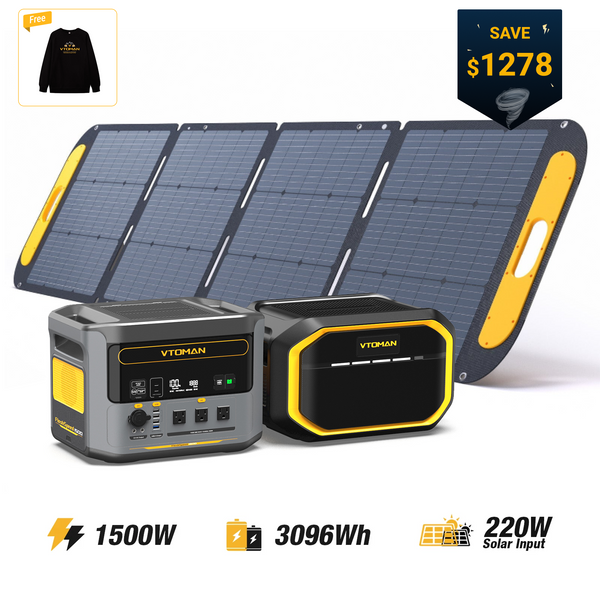
Credit: vtoman.com
Tips For Efficiency
Building a solar power generator for under $300 can be an efficient way to harness renewable energy. Gather materials like solar panels, a battery, and an inverter. Follow a simple guide to assemble and connect components safely. Enjoy eco-friendly power without breaking the bank.
Placing solar panels in the sunniest spot is crucial. Ensure no trees or buildings block the sunlight. Tilt the panels towards the sun for best results. Adjust them as the sun moves. This helps to catch more sunlight. Clean the panels regularly to keep them efficient. Dust and dirt can block the sun. Check the connections and wires often. Loose wires can cause problems. Make sure the batteries are in good shape. Replace them if they are old or damaged. Keep the generator clean and dry. Rain can damage parts if they get wet. Look for any cracks or breaks in the panels. Use only the energy you need. Turn off devices when not in use. Store extra power in batteries for later. This helps during cloudy days. Install a power meter to track usage. This helps manage energy better. Plan your energy use wisely each day. `Troubleshooting Common Issues
Building a solar power generator for under $300 can face some common issues. Troubleshoot battery connections and check solar panel alignment. Ensure all components are compatible for efficient energy conversion.
Battery Problems
Batteriesmay not charge properly. Check if cables are connected right. Look for loose connections. Batteries can overheat. Make sure they have good ventilation. Keep batteries clean and dry. Dirt and water can cause problems. Test the battery voltage. It should match the specifications. Replace weak batteries if needed.
Inverter Malfunctions
Inverters convert solar powerto usable energy. If they fail, devices won’t work. Check if the inverter is switched on. Inspect cables for damage. Loose wires can cause malfunctions. Ensure the inverter matches your system’s power needs. Overloading can damage it. Reset the inverter if it stops working. Restarting may solve minor issues.
Panel Performance Issues
Solar panels need sunlight to work well. Dust or leaves can block sunlight. Keep panels clean and clear. Check the angle of panels. Adjust them for maximum sunlight exposure. Inspect panels for cracks or damage. Broken panels need replacement. Monitor the power output. Ensure it matches expected levels.

Credit: www.goodhousekeeping.com
Cost Breakdown And Savings
Building a solar power generator under $300 involves smart choices on components. Affordable solar panels and a DIY approach cut costs. Savings stem from bypassing commercial models, allowing you to harness clean energy without breaking the bank.
Initial Investment
The total cost of building a solar power generator can be under $300. You need a solar panel, battery, inverter, and charge controller. A decent solar panel costs about $100. The battery can be around $80. Inverters are priced at approximately $60. A charge controller usually costs $40. These components are essential for a basic setup.
Long-term Savings
Solar power reduces monthly electricity bills. It’s free to use sunlight. This saves money each month. Over time, savings add up. The generator lasts for many years. Maintenance is low-cost. The solar generator pays for itself. You save more with solar power. It’s good for the environment too.
Frequently Asked Questions
Is It Cheaper To Build Your Own Solar Generator?
Building your own solar generator can be cheaper. DIY projects often reduce labor and material costs. You have control over component quality and specifications. Initial investment might be high, but long-term savings are possible. Proper research and planning ensure cost-effectiveness and efficiency.
How Long Will A 1000 Watt Solar Generator Run A Refrigerator?
A 1000 watt solar generator can typically run a refrigerator for about 10 hours. Refrigerator power consumption varies, affecting the exact runtime. Ensure your solar generator is fully charged and your refrigerator is energy-efficient to maximize performance. Always check specific appliance wattage for precise calculations.
What Can I Run With A 300 Watt Solar Generator?
A 300-watt solar generator can power small appliances like LED lights, phone chargers, and laptops. It can also run small fans and radios. For larger devices, ensure their power needs don’t exceed 300 watts. Always check the wattage to prevent overloading the generator.
Can I Build My Own Solar Generator?
Yes, you can build your own solar generator. You’ll need solar panels, a battery, charge controller, and an inverter. Ensure you have basic knowledge of electrical systems and safety guidelines. Online tutorials and DIY kits can help simplify the process.
Conclusion
Building a solar power generator is both rewarding and practical. It saves money and helps the environment. With the right materials, it’s easy to assemble. This guide showed you how to do it for under $300. Follow the steps carefully for the best results.
Enjoy clean energy with your own solar power generator. It’s a great way to start using renewable energy. Plus, it’s perfect for learning new skills. Share this knowledge with friends and family. Together, we can make a difference. Enjoy your new solar generator and the power it brings.