Are you curious about harnessing the power of the sun to generate electricity? Imagine building your own solar Stirling engine generator at home!
This fascinating device combines solar energy and mechanical motion to produce electricity. It’s not just an exciting project; it’s a step towards sustainable living and energy independence. You’ve probably heard about solar panels, but did you know there are other ways to capture solar energy?
The Stirling engine generator offers a unique and efficient method that could revolutionize how you think about renewable energy. By understanding the principles behind this technology, you can create a generator that not only powers your home but also reduces your carbon footprint. You’ll discover the essential steps to build your own solar Stirling engine generator. Whether you’re a seasoned DIY enthusiast or a beginner looking for a new challenge, you’ll find this guide packed with useful information and practical tips. Ready to unlock the secrets of solar energy and make a difference in your world? Dive in and learn how you can start building your solar-powered future today!
Solar Stirling Engine Basics
Stirling engines use heat to move. They have two cylinders. One is hot, the other is cold. The heat makes gas expand. The cold makes gas contract. This moves pistons. It’s a cycle. Stirling engines can be very efficient. They are quiet and smooth. Solar power can heat these engines. This makes them green and clean.
Solar panels collect sunlight. They turn it into heat. This heat powers the Stirling engine. It’s an easy way to use solar energy. You can make electricity this way. Solar and Stirling work well together. They don’t pollute the air. This is good for the planet. Building them is simple. They use the sun’s power. That’s free energy.
Materials And Tools
Gather essential materials like aluminum cans, glass jars, and rubber seals. Use tools such as screwdrivers, pliers, and a soldering iron. These components help in constructing a functional solar Stirling engine generator.
Essential Components
Building a solar Stirling engine needs some key parts. You will need a solar dish to catch sunlight. A Stirling engine is required to convert heat into power. A generator turns the engine’s motion into electricity. Mirrors help focus sunlight better. Heat exchangers transfer heat efficiently. Collect these parts before starting.
Tools Needed For Assembly
Gathering the right tools makes the job easier. You will need a wrench set for tightening parts. A screwdriver helps fix small screws. A soldering iron is used for electrical connections. Pliers help hold and bend wires. Use a drill to make holes if needed. Always keep a measuring tape handy. It ensures all parts fit perfectly. Wear safety goggles to protect your eyes.
Design And Planning
Creating a solar Stirling engine generatorstarts with a clear plan. Blueprints show you where each part goes. Schematics help in understanding the connections and flow. These drawings are like a map for your project. Without them, things can get confusing. Make sure your blueprints are detailed. Every part must be in the right spot. This helps avoid mistakes later.
Energy output tells you how much power your generator makes. First, decide the size of your engine. Bigger engines make more power. Next, check how much sun your area gets. More sun means more energy. Use a calculator to estimate the output. This helps in knowing if your setup meets your power needs. Having the right numbers is important for success.
Construction Steps
Building a solar Stirling engine generator involves assembling the engine, connecting solar panels, and integrating essential components. Ensure precise alignment of parts for optimal efficiency. Regular testing is crucial to ensure smooth operation and energy generation.
Building The Engine
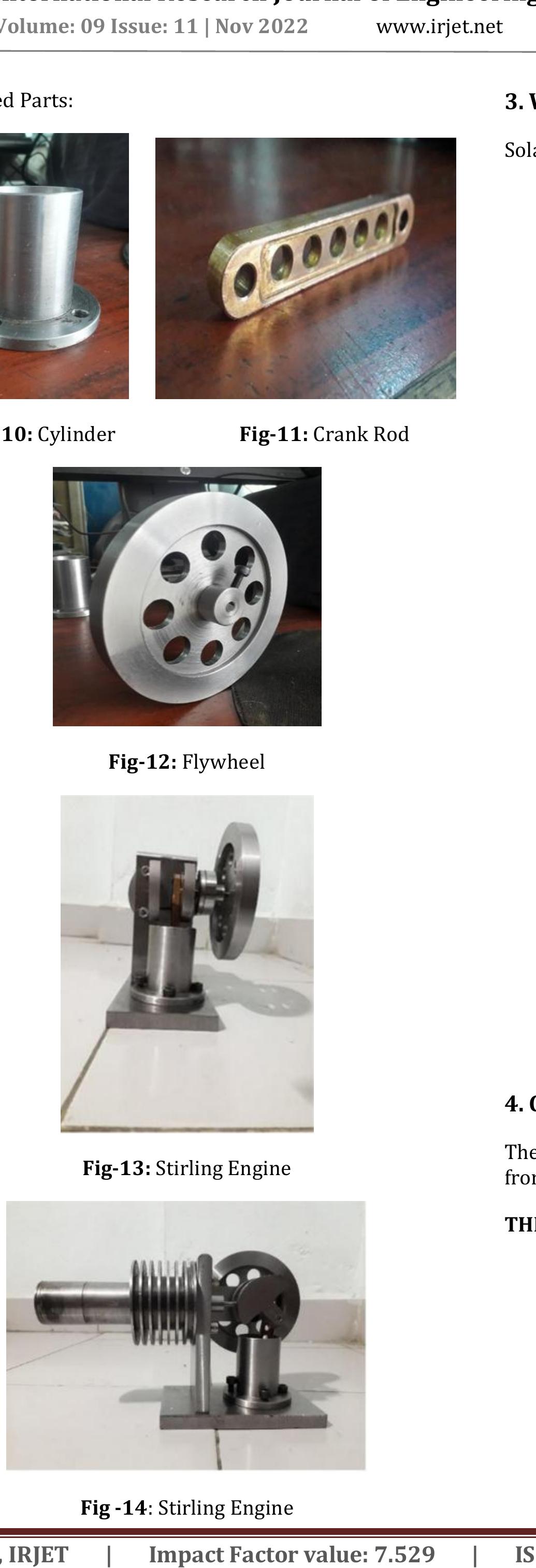
Start by finding a suitable engine design. The engine will use air pressure to move. Use strong materials like steelor aluminum. Connect the pistons and rods carefully. Make sure all parts move smoothly. Test the engine to ensure it works. Fix any issues before moving on.
Assembling The Solar Collector
Gather solar panelsand reflective materials. Place panels to catch the sun’s rays. Use mirrors to direct light to the engine. Secure everything with bolts and screws. Check the collector for gaps or loose parts. Fix these to ensure maximum solar power.
Combining Components
Join the engine and collector with care. Connect wires and tubes securely. Ensure the engine is aligned with the collector. Test the system for leaks or faults. Adjust parts for optimal performance. Make sure all parts work together smoothly.
Testing And Troubleshooting
Testing and troubleshooting are crucial steps in building a solar Stirling engine generator. Identify issues like misaligned parts or faulty connections. Ensure smooth operation by adjusting and refining components.
Initial Tests
Make sure the engine is in a safe place. Check all connections and wires. Start the engine and watch its movement. Listen for any strange sounds. Look for leaks or smoke. Measure power output with a meter. Compare results with expected values. Keep a log of all readings.
Common Issues And Fixes
- Engine not starting:Check fuel levels and battery charge.
- Low power output:Inspect for blockages or misalignments.
- Overheating:Ensure cooling systems are working.
- Strange noises:Tighten loose parts.
- Leaks:Seal any gaps with appropriate materials.
Credit: www.academia.edu
Maintenance Tips
Building a Solar Stirling Engine Generator requires regular maintenance for efficiency. Clean solar panels to ensure maximum sun exposure. Check engine parts for wear and lubricate moving components to prevent rust.
Routine Checks
Check the engine parts every month. Look for dirt and damage. Clean parts with a soft cloth. Check the oil level. Add oil if needed. Inspect the wires for wear and tear. Replace old wires. Tighten loose bolts. Make sure every part is secure.
Long-term Care
Store the engine in a dry place. Avoid wet and damp areas. Cover the engine when not in use. Protect it from dust and rain. Check the engine for rust. Remove rust with a brush. Keep a record of repairs. Regular updates keep the engine running smoothly. Schedule professional maintenance once a year.
Potential Enhancements
Exploring new materials can boost efficiency in solar Stirling engines. Adjusting the size and shape of components may enhance performance. Integrating advanced cooling systems could further optimize energy output.
Increasing Efficiency
Making the engine more efficient is very important. Use better materials for parts. Ensure the engine can handle more heat. Insulate to reduce heat loss. This will help the engine work better. A well-insulated engine keeps the heat inside. This makes it work longer and faster.
Upgrading Components
Changing the parts can make the engine work better. Use strong metals for parts that move. This will make them last longer. Lubricate moving parts to reduce wear. Keep parts clean and free from dust. A clean engine runs smoothly. Regular checks help find parts that need fixing.

Credit: www.sciencedirect.com

Credit: www.tiktok.com
Frequently Asked Questions
How Efficient Is The Solar Powered Stirling Engine?
The solar-powered Stirling engine boasts efficiency rates between 20% to 30%. It converts solar energy into mechanical work effectively. Its high thermal efficiency makes it a competitive option for renewable energy solutions. Suitable for areas with abundant sunlight, it offers a sustainable energy alternative.
Can A Stirling Engine Power A Generator?
Yes, a Stirling engine can power a generator. It converts heat energy into mechanical work efficiently. This mechanical work can then drive a generator to produce electricity. Stirling engines are silent, durable, and environmentally friendly, making them suitable for renewable energy applications.
What Is The Most Efficient Stirling Generator?
The WhisperGen Stirling generator is highly efficient, suitable for residential use and known for low emissions. It converts heat into electricity efficiently and operates quietly. Its compact design and sustainable energy production make it a popular choice for environmentally conscious users seeking reliable power solutions.
How To Build A Diy Solar Powered Generator?
To build a DIY solar-powered generator, gather solar panels, a charge controller, a deep-cycle battery, and an inverter. Connect the solar panels to the charge controller, then to the battery. Attach the inverter to the battery for AC power. Ensure proper wiring and safety measures for efficient operation.
Conclusion
Building a solar Stirling engine generator is a rewarding project. It taps into renewable energy sources efficiently. This guide has outlined clear steps for success. Start with gathering all necessary materials. Follow the instructions with care. Safety should always be your top priority.
Patience is key during the building process. Once complete, you’ll enjoy clean, sustainable power. This project not only saves energy but also enhances your DIY skills. Enjoy the benefits of your eco-friendly generator. Embrace this sustainable journey and inspire others to do the same.
Happy building!