
Power outages can strike without warning, leaving you in the dark and disrupting your daily life. Imagine never having to worry about losing electricity again.
Building a standby generator is the key to keeping your home powered and your family safe when the grid goes down. In this guide, you’ll discover simple steps to create your own reliable backup power source. By the end, you’ll have the confidence and know-how to protect your home from unexpected blackouts.
Ready to take control of your power? Let’s dive in.

Credit: www.angi.com
Choosing The Right Generator
Standby generatorscome in different typesto fit various needs. Some use natural gas, while others run on propaneor diesel. Choosing the right type helps ensure reliable power during outages.
Knowing your power requirementsis key. Add up the watts for all devices you want to power. This total helps pick a generator with enough capacity to handle your needs safely.
| Fuel Type | Pros | Cons |
|---|---|---|
| Natural Gas | Clean burning, unlimited supply if piped | Needs gas line, may stop if gas shuts off |
| Propane | Easy to store, burns clean | Limited supply, needs refilling |
| Diesel | Powerful, good for heavy use | Loud, produces more pollution |
Planning Your Installation
Choose a flat, dry areafor the generator. It should be close to your homebut not too near. Keep it away from windows and doors to avoid fumes entering the house.
Check with your local city or county officeabout permits. Rules may vary. Some places require inspections or specific installation steps. Getting the right permits helps avoid fines.
Keep safety in mind. Make sure the generator is placed on a stable surface. Use proper wiringand a transfer switchto prevent backfeed. Keep the area clear of flammable materials. Install carbon monoxide detectors inside the house.
Gathering Tools And Materials
Gathering the right tools and materialsis key to build a standby generator. Essential tools include a wrench set, screwdrivers, and pliers. These help with assembly and connections.
Required materials are a generator unit, fuel lines, and circuit breakers. These parts ensure the generator works safely and efficiently.
Additional accessories like mounting brackets, grounding rods, and electrical cablessupport installation and safety. Keep all parts organized before starting the build.
Preparing The Site
A strong and level foundationis key for a standby generator. Use concrete or a solid pad to keep it stable. Make sure the site is dryand clear of debris. This helps prevent damage and keeps the generator working well.
For electrical connections, use proper cables and follow local codes. Connect the generator to your home’s transfer switch. This switch moves power from the grid to the generator during outages. Safety is very important here. Consult a licensed electrician to avoid hazards.
Fuel supplymust be steady and safe. Common fuels include natural gas, propane, or diesel. Store fuel tanks away from living areas and keep them well-ventilated. Check fuel lines for leaks and ensure all connections are tight. This prevents accidents and keeps your generator ready to run.
Installing The Generator
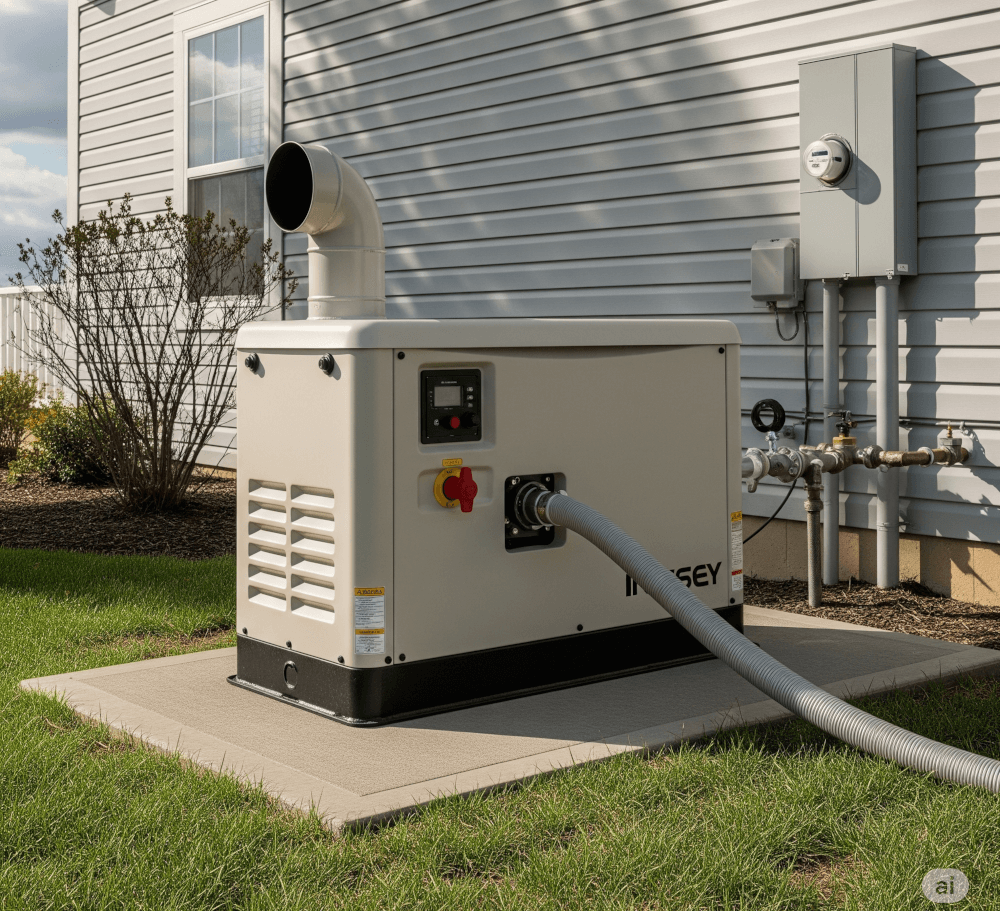
Choose a flat, dry, and stable surface for positioning the generator. It should be away from windows and vents to avoid fumes. Leave enough space around the unit for airflow and maintenance. Avoid placing it near flammable materials.
Securing the generatoris key to safety. Use concrete pads or metal brackets to fix it firmly. This stops movement during strong winds or vibrations. Make sure it is level to prevent oil or fuel leaks.
Use proper fuel linesmade of durable materials. Connect them tightly to avoid leaks. Check for fuel type compatibility and follow local codes. Install a shut-off valve for easy fuel control.
Credit: bostonapartments.com
Wiring And Electrical Setup
Transfer switch installationconnects the generator to your home’s electrical panel safely. It prevents power from the generator feeding back into the grid. This switch allows easy changeover from utility power to generator power. Always choose a transfer switchrated for your generator’s wattage.
For generator to home wiring, use heavy-duty cables designed for outdoor use. Connect the generator to the transfer switch with a proper power inlet box. Follow the wiring diagram supplied with the generator. Secure all connections and use conduit to protect wires.
Grounding the systemis vital for safety. Connect the generator frame to a ground rod driven into the earth. This reduces the risk of electric shock and equipment damage. Use a copper grounding wire and ensure all grounding meets local electrical codes.
Testing And Maintenance
Start the generator in a safe, open area. Check fuel and oil levels before starting. Listen for unusual sounds during startup. Make sure the generator runs smoothly without shaking or stalling.
Perform routine checks every month. Inspect the fuel system for leaks or damage. Test the battery and clean the terminals if needed. Check the air filter and replace it if dirty. Run the generator under load for about 30 minutes.
| Problem | Possible Cause | Solution |
|---|---|---|
| Generator won’t start | Empty fuel tank or dead battery | Fill fuel tank and charge or replace battery |
| Generator stalls | Dirty air filter or fuel issues | Clean air filter and check fuel quality |
| Unusual noises | Loose parts or engine problems | Tighten parts and inspect engine closely |

Credit: www.angi.com
Frequently Asked Questions
What Size Standby Generator Do I Need?
Choosing the right size depends on your home’s power needs. Calculate total wattage of essential appliances. A professional can help ensure the generator meets your requirements safely.
How Long Does Installation Of A Standby Generator Take?
Installation usually takes 1 to 3 days. It depends on complexity, permits, and site preparation. Hiring a licensed electrician speeds up the process and ensures safety.
Can I Install A Standby Generator Myself?
DIY installation is not recommended. Standby generators require proper wiring and permits. Hiring a licensed professional ensures compliance with safety codes and warranty protection.
How Often Should I Maintain My Standby Generator?
Maintenance is needed at least twice a year. Regularly check oil, filters, and battery. Scheduled servicing improves reliability and extends the generator’s lifespan.
Conclusion
Building a standby generator can seem challenging. Yet, with patience and the right tools, it’s achievable. Start with a clear plan. Gather your materials. Follow safety guidelines closely. Step by step, your generator will take shape. Test it thoroughly before relying on it.
Regular maintenance ensures it works when needed. A standby generator offers peace of mind during power outages. It keeps your home running smoothly. Remember, practice makes perfect. Each project adds to your skills. Soon, you’ll feel confident tackling other DIY tasks.
Enjoy the satisfaction of creating something valuable for your home.