Are you ready to harness the power of the sun while on the move? Imagine having a reliable and eco-friendly energy source wherever you travel.
Building a solar generator on a cargo trailer is not just a project; it’s a gateway to energy independence and sustainability. You might feel overwhelmed by the thought of this ambitious endeavor, but fear not. With clear steps and practical tips, you’ll see how achievable it really is.
You’re about to discover how to turn a simple cargo trailer into a powerhouse that can fuel your adventures, all while saving money and reducing your carbon footprint. Dive in, and let’s explore how you can revolutionize your travels with solar energy. Your journey to a greener future starts here.
Credit: www.ebay.com
Benefits Of Solar Generators
Solar generators are kind to Earth. They use the sun’s power. This means less pollution and cleaner air. No smoke or harmful gases are released. The sun gives energy every day. Using it helps protect nature. Plants, animals, and humans all benefit. Clean energy keeps our planet healthy.
Using solar generators saves money. Sunlight is free for everyone. Once set up, costs are low. No need for fuel or electricity bills. Maintenance is also cheap. This means more savings over time. Money saved can be used for other needs. Solar energy is a smart financial choice.
Solar generators give freedom. No need to rely on power companies. Power outages are not a worry. You have your own energy source. Sunlight is everywhere, ready to use. Being independent feels empowering. It’s nice to know you have control. Energy independence brings peace of mind.
Choosing The Right Cargo Trailer
Building a solar generator on a cargo trailer involves careful planning and installation. Choose the right solar panels and battery storage to fit your energy needs. Ensure proper wiring and ventilation for safe and efficient energy use.
Size And Space Considerations
Pick a trailer that fits your solar setup. Bigger trailers offer more room. They help in storing solar panels and batteries. Ensure there’s enough space for all equipment. A crowded trailer can be hard to manage.
Structural Integrity
Strong trailers last longer. Check the build quality before buying. Look at the frame and walls. Good trailers don’t break or bend easily. Strong materials make a trailer reliable.
Weight Capacity
- Know the trailer’s weight limit.
- Solar panels and batteries can be heavy.
- Choose trailers with high weight capacity.
- Heavy loads need sturdy trailers.
- Overloading can damage the trailer.
Selecting Solar Panels
Solar panels come in different types like monocrystalline, polycrystalline, and thin-film. Monocrystalline panels are often more efficient. They work well in small spaces. Polycrystalline panels are less costly. They are a good choice for larger areas. Thin-film panels are flexible but less efficient. They are easy to install on curved surfaces.
Efficiency tells how well a panel turns sunlight into electricity. Higher efficiency panels produce more energy. But they might cost more. Monocrystalline panels usually have the highest ratings. Polycrystalline panels are in the middle. Thin-film panels have the lowest ratings. Choose based on your energy needs and budget.
- Find a sunny spot on the cargo trailer.
- Ensure the panels fit the space available.
- Use brackets to secure panels properly.
- Check for any shading that may affect efficiency.
- Connect panels to the solar generator safely.
Battery And Storage Solutions
Building a solar generator on a cargo trailer provides portable and efficient energy solutions. Utilize solar panels, inverters, and batteries to create a reliable power source. This setup is ideal for off-grid adventures or emergency backup.
Battery Types
Choosing the right battery typeis crucial. Lead-acid and lithium-ion are popular choices. Lead-acid batteries are cheaper but heavier. Lithium-ion batteries are lighter and last longer. Both have their own advantages and drawbacks.
Capacity And Output
Battery capacityis how much energy it can store. Capacity is measured in amp-hours. A higher capacity means more energy storage. Output is the energy the battery can deliver. Match capacity and output with your needs. Too little, and you might run out of power.
Maintenance And Longevity
Proper maintenanceextends battery life. Keep batteries clean and dry. Check connections regularly. Avoid overcharging to protect the battery. A well-maintained battery lasts longer. This saves money in the long run.
Inverter And Charge Controller Setup
Setting up an inverter and charge controller is vital for building a solar generator on a cargo trailer. These components manage power conversion and battery charging, ensuring efficient energy use. Proper installation supports a reliable and sustainable power solution.
Functionality Of Inverters
Inverters change DC power to AC power. This allows for powering home devices. They are essential in a solar system. Choosing the right inverter ensures efficiency. Pure sine wave inverters are often recommended. They work well with sensitive electronics. Size matters; ensure it matches your power needs. Use a tester to check the inverter’s output.
Choosing Charge Controllers
Charge controllers manage battery charging. They prevent overcharging and damage. MPPT controllers are more efficient than PWM. They adjust voltage and current to get the most power. Consider battery type when choosing a controller. Size it right for your solar panel capacity. This ensures optimal performance.
Safety Measures
- Always wear gloves when handling electrical parts.
- Disconnect batteries before working on the system.
- Use fuses to prevent short circuits.
- Ensure all connections are tight and secure.
- Place components in a dry, safe area.
Wiring And Electrical Connections
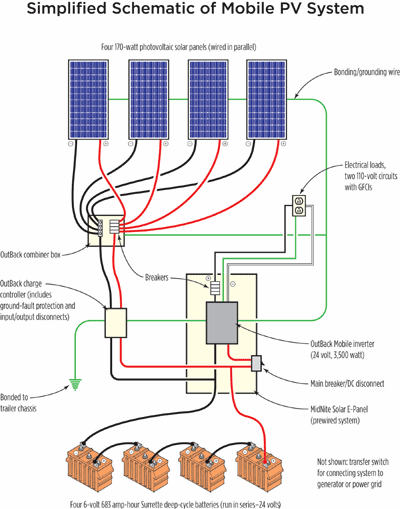
Wiring and Electrical Connections: Building a solar generator on a cargo trailer requires careful planning. Connect solar panels to an inverter and battery system for efficient energy storage. Ensure all connections are secure and weatherproof for safety and longevity.
Understanding Circuitry
Solar generators need clear paths for electricity. Circuitry helps electricity travel safely. Wires must connect in the right order. Each wire has a special job. Some wires send power. Others keep things safe. Knowing the circuit is important.
Connecting Components
Each part must connect well. Solar panels need wires to batteries. Batteries need wires to inverters. Inverters change the power type. Connect wires with clips or screws. Make sure connections are tight. Loose wires can be dangerous.
Ensuring Safety
Safety is very important. Use insulation on wires. Insulation stops electric shocks. Check connections often. Look for broken wires. Broken wires can cause fires. Wear gloves for safety. Follow rules for safe wiring.
Mounting And Structural Considerations
Solar panel placement on a cargo trailer requires careful attention. Secure mounting ensures stability while driving. Consider weight distribution to maintain balance and prevent tipping.
Solar Panel Mounting Techniques
Solar panels need strong support. Use brackets to mount panels securely. Angle them towards the sun. This increases power collection. Panels should be easy to adjust. Check regularly for tight fittings.
Trailer Modifications
Trailers may need changes. Reinforce the roof. Add extra support beams. Ensure the structure can hold panel weight. Use lightweight materials. This helps the trailer stay balanced. Always check for stability.
Weatherproofing
Protect panels from rain and wind. Use seals to keep water out. Cover wiring to prevent damage. Choose materials that resist rust. This ensures long-lasting protection. Regular checks keep everything safe.
Credit: www.jlconline.com
Testing And Troubleshooting
Testing and troubleshooting a solar generator on a cargo trailer involves checking connections and power outputs. Ensure all solar panels function properly. Verify battery storage and inverter operations for efficient energy use.
Initial Setup Checks
Ensure all wires are connected tightly. Check the solar panels. They should be clean and free from dust. Verify battery connections. They must be secure and firm. Ensure the inverter is switched on. It converts solar energy for use. Test the output with a small device. This confirms everything works properly.
Common Issues
- Loose connections can stop power flow.
- Dirty panels reduce energy absorption.
- Batteries might not charge if faulty.
- Inverter issues can prevent power conversion.
- Check for any blown fuses.
Maintenance Tips
Clean the solar panels regularly. This helps them work better. Check the connections weekly. Tighten any loose wires. Inspect the batteries monthly. Replace them if they are old. Ensure the inverter is in good condition. Keep the trailer in a sunny spot. This maximizes energy capture.
Legal And Regulatory Aspects
Navigating legal and regulatory aspects is crucial when building a solar generator on a cargo trailer. Ensure compliance with local zoning laws and safety standards to avoid potential penalties. Research permits required for installation, especially if planning to connect to the local power grid.
Local Regulations
Understanding local regulationsis vital before starting. Each area has its rules. Check with your local office for solar installation guidelines. Rules can affect where you place panels on your trailer.
Permits And Approvals
Getting the right permits is important. You may need approvalfrom local authorities. This ensures your solar setup follows legal standards. Visit your local government website for permit details.
Safety Standards
Safety standards keep everyone safe. Proper installation of panels is key. Panels should be secured firmly to avoid accidents. Follow guidelines to prevent electrical hazards. Safety checkshelp ensure everything works well.

Credit: www.reddit.com
Frequently Asked Questions
Is It Cheaper To Build Your Own Solar Generator?
Building your own solar generator can be cheaper. It depends on component costs and personal expertise. DIY solutions allow customization, potentially saving money compared to pre-built systems. Consider initial investment and long-term savings when deciding. Research thoroughly to ensure cost-effectiveness and efficiency.
How Long Will A 1000 Watt Solar Generator Run A Refrigerator?
A 1000-watt solar generator can run a refrigerator for about 8-12 hours. Refrigerator power consumption varies, typically between 100-800 watts. Ensure solar generator capacity matches refrigerator wattage for optimal performance. Battery storage and sunlight availability also impact runtime. Regularly check energy usage to maximize efficiency.
What Can A 3000 Watt Solar System Run?
A 3000-watt solar system can power essential home appliances. It runs refrigerators, lights, fans, TVs, and computers efficiently. Energy usage and sunlight availability impact performance. Always assess your home’s energy needs and local solar conditions for best results.
Can I Build My Own Solar Generator?
Yes, you can build your own solar generator with some basic DIY skills. Gather solar panels, a battery, an inverter, and a charge controller. Assemble these components following a reliable guide or tutorial. Ensure proper wiring and safety measures for efficient energy generation and storage.
Conclusion
Building a solar generator on a cargo trailer is smart and eco-friendly. It’s not too hard and can save money. Use solar panels, batteries, and an inverter. Make sure to connect each part properly. Your cargo trailer can now power your tools or devices.
It’s useful for camping or road trips. Plus, it’s kind to the environment. A portable solar generator offers endless possibilities. Start small and expand as needed. You will enjoy the benefits of clean energy. Your journey towards sustainable living begins here.
Embrace the power of the sun.