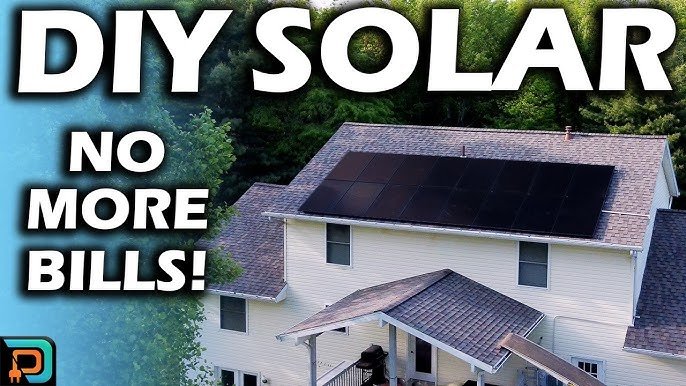
Imagine powering your home with energy harnessed directly from the sun. Not only does it reduce your electricity bill, but it’s also a step towards a more sustainable future.
Building a solar power generator at home might sound like a daunting task, but with the right guidance, you can do it. This article will show you exactly how to create your own solar power generator, using simple materials you can find at your local hardware store.
You’ll learn the steps needed to gather materials, assemble them, and ensure your solar generator runs efficiently. By the end of this guide, you’ll have the power to make your home energy-efficient and environmentally friendly. Dive in, and discover how you can harness the power of the sun right from your backyard.

Credit: www.youtube.com
Benefits Of Solar Power Generators
Solar power generatorsoffer many advantages for homes. They use the sun’s energy, which is clean and renewable. This helps reduce pollutionand protects our planet. Solar power can lower electricity bills. It provides free energy once installed. These generators work silently and don’t disturb neighbors. They need little maintenance, saving time and effort.
Solar power generators can be used in remote areas. They are reliableand can provide energy when needed. They can help during power outages. It’s a safe way to get electricity. Solar generators are easy to set up. They can be moved if needed. They help families become more self-sufficientand less dependent on traditional power sources.

Credit: www.youtube.com
Essential Components
Solar panels catch sunlight and turn it into electricity. These panels come in different sizes and power levels. Choose panels that fit your home’s energy needs. It’s important to place them where they get lots of sunlight. Roofs or open spaces are good spots. Make sure they are clean for best results.
The charge controller keeps your battery safe. It stops the battery from overcharging. This part is very important for battery life. It controls the flow of electricity from the panels to the battery. Choose a controller that matches your system’s voltage. This ensures smooth energy flow.
Batteries store the electricity for use at night or cloudy days. They come in many types, like lead-acid or lithium-ion. Pick one that suits your budget and needs. Batteries should be placed in a cool and dry place. This helps them last longer.
The inverter changes stored energy into usable power. It turns DC power from batteries to AC power for home use. Choose an inverter with the right wattage. This ensures it can handle your home’s power needs. Make sure it is connected properly for safety.
Choosing The Right Solar Panels
Selecting the right solar panels is crucial for building a solar power generator at home. Consider efficiency, cost, and size to match your energy needs.
Types Of Panels
Solar panels come in different types. Monocrystalline panels are efficient and last long. Polycrystalline panels are cheaper but less efficient. Thin-film panels are lightweight and flexible. Each type has its own benefits and drawbacks.Efficiency Considerations
Efficiency tells how well panels turn sunlight into power. Higher efficiency means more power from less space. Check the efficiency rating before buying. More efficient panels might cost more but save space.Cost Vs. Performance
Balancing cost and performance is crucial. High-performance panels may have a higher price. Budget-friendly panels might not perform as well. Evaluate your budget against your energy needs. Choose a panel that fits both your budget and energy requirements. `Sizing Your System
Sizing Your System Calculate the total power you need by listing all devices and their wattages. Determine the number of solar panels required to meet this energy demand. Consider battery storage capacity to ensure continuous power supply during cloudy days or at night.
Energy Needs Assessment
Find out how much energy you use every day. Look at your electricity bills. Add up all the watt-hoursyou use. This helps you know how big your solar system needs to be. Think about what you want to power. Only lights? Or bigger things like a fridge?
Calculating Power Output
Solar panels make power from the sun. Check the wattageof each panel. More panels mean more power. Consider the sun’s hours in your area. This will help you know how much power you can make each day. Remember, more sun means more power.
Battery Capacity Requirements
Batteries store power for later. You need enough to last at night. Check your daily energy use. Make sure your batteries can hold that much. Think about bad weather days. You might need extra storage for those times. Batteries are important for your solar system.
Installation Steps
Gather essential materials like solar panels, an inverter, and a battery. Connect solar panels to the inverter. Attach the inverter to the battery, ensuring secure connections. Test the system to confirm functionality and efficiency.
Site Selection
Choose a spot with lots of sunlight. Avoid shaded areas. Look for a flat surface. This helps panels catch more sun. Check the area for safety. Make sure there are no obstacles. Trees or buildings can block sunlight.
Mounting Panels
Place solar panels on sturdy mounts. Make sure they face the sun. Tilt them at the right angle. This captures more energy. Secure panels tightly. Wind can move them if not fixed. Check mounts regularly for any looseness.
Connecting Components
Connect wires from panels to batteries. Ensure connections are tight. Loose wires can cause problems. Use a charge controller. This protects batteries from overcharging. Link batteries to an inverter. It changes stored energy to usable power. Test connections to see if everything works.
Safety Precautions
Always wear rubber gloveswhen touching electrical parts. This keeps you safe from electric shocks. Ensure all tools are insulatedand in good condition. Check wires for any breaks or damage. If you find any, fix them before use. Keep water and liquids far from electrical parts. Electricity and water are a dangerous mix. Use a multimeter to check current flow. This helps prevent accidents.
Solar panels need sunlight to work well. Place them where they get lots of sun. Avoid shade from trees or buildings. Check the weather forecast often. Storms or rain can damage solar equipment. Strong winds can move panels out of place. Secure them tightly to prevent this. Regular checks help ensure everything stays in place. Protect your generator from harsh weather conditions.
Keep solar panels clean for best results. Dust and dirt block sunlight. Use a soft cloth and water to wipe them. Check connections and wires often. Look for signs of wear or damage. Fixing small issues early prevents big problems later. Batteries need care too. Charge them fully and avoid overcharging. Inspect them for leaks or damage. Regular maintenancekeeps your solar generator working well.
Cost Analysis
Building a solar power generator at home requires a detailed cost analysis. Evaluate the expenses for solar panels, batteries, and other components. Consider installation costs and potential savings on energy bills over time.
Initial Investment
Building a solar power generator at home requires buying solar panels. Solar panels can be expensive. You also need batteriesto store energy. Other items include invertersand charge controllers. These help manage power flow. Consider installation costs too. Sometimes hiring a professional is necessary.
Long-term Savings
Solar power helps save money over time. Monthly electric billscan drop significantly. After some years, your generator pays for itself. It helps to reduce dependenceon traditional electricity. Maintenance costs are usually low. Enjoy having less worry about rising energy costs.
Government Incentives
Some governments offer incentivesfor solar power. These can include tax credits or rebates. Check local programs to see what’s available. Incentives can lower initial costs significantly. They make solar power more affordable for many people.
Troubleshooting Common Issues
Power fluctuations can be common in homemade solar generators. It is important to check all wiring connections. Loose wires can cause power changes. Ensure all connections are tight and secure. Inspect the solar panels for any dirt or debris. Clean them regularly to maintain efficiency. Using a voltage regulatorcan help control power levels. Regular checks can prevent major issues.
Batteries can fail if not maintained well. Always check the battery’s charge level. Ensure it is fully charged before use. Inspect for any leaks or damage. Damaged batteries can be dangerous. Replace faulty batteries quickly. Keep batteries in a cool, dry place. This helps them last longer.
Inverters can sometimes stop working. Check if the inverter is getting enough power. Ensure all connections are tight. Inspect the inverter for any physical damage. Damaged inverters might need replacing. Always use the right type of inverter for your system. This ensures compatibility and smooth operation.
Enhancing Efficiency
Building a solar power generator at home boosts efficiency and reduces energy costs. Gather basic materials like solar panels and batteries. Connect panels to the inverter, then link the battery for energy storage.
Sunlightis key for solar panels. Place them where sunlight hits most. Check for shadows from trees or buildings. Panels need at least 6 hours of sunlight daily. Tilt them towards the sun. This captures more light. Keep them clean. Dust can block sunlight. Use a high-quality inverter. It converts solar energy to usable electricity. Better inverters work more efficiently. Use strong cables for less energy loss. Choose batteries with good capacity. They store energy for later use. Newer models last longer. This saves money. Monitor your energy use. Use energy when the sun shines. This saves battery power. Install smart meters. They help track energy usage. Turn off devices when not in use. This saves more energy. Use energy-efficient appliances. They need less power to work. `
Credit: www.youtube.com
Frequently Asked Questions
Can I Build My Own Solar Generator?
Yes, you can build your own solar generator. Gather solar panels, a charge controller, batteries, and an inverter. Assemble them following a DIY guide or tutorial. Ensure all components are compatible and follow safety guidelines. This project can save money and customize your power needs.
Is It Cheaper To Build Your Own Solar Generator?
Building your own solar generator can be cheaper. It depends on sourcing affordable components and DIY skills. Pre-made solar generators offer convenience but may cost more. Carefully compare costs and capabilities before deciding.
How Big Of A Solar Generator Do You Need To Power A House?
To power a house, a solar generator typically needs 5,000 to 10,000 watts. Consider energy needs and efficiency. Calculate daily consumption to determine generator size. Larger homes may require more power, especially with high-energy appliances. Consult a professional for precise requirements.
How Long Will A 1000 Watt Solar Generator Run A Refrigerator?
A 1000 watt solar generator can run a refrigerator for about 8-12 hours. This depends on the refrigerator’s energy consumption, typically ranging between 100-800 watts, and the generator’s battery capacity. Efficient energy use and optimal sunlight can extend the running time.
Regular monitoring helps maintain performance.
Conclusion
Building a solar power generator at home is simple and rewarding. It helps reduce electricity bills. Plus, it supports a sustainable lifestyle. With clear steps and basic materials, anyone can do it. This project not only saves money, but also empowers you.
You gain energy independence. Start small, learn, and expand gradually. The environment benefits too. Every little effort counts. So, take the first step today. Harness the sun’s power. Enjoy clean, renewable energy right at home. Keep learning and improving your setup.
Your journey towards a greener future begins now.