Have you ever wished for a reliable power source that you could take anywhere? Imagine being able to charge your devices while camping, or keep your home essentials running during a power outage.
Building your own solar portable generator might seem like a daunting task, but it’s simpler than you think. By harnessing the sun’s energy, you can create an eco-friendly power solution that fits your needs perfectly. In this guide, you’ll discover step-by-step instructions to craft your very own solar generator.
We’ll break down the process into easy-to-follow steps, ensuring you gain the skills and confidence to build a sustainable power source. Ready to take control of your energy needs? Let’s dive into the world of solar power and unleash the potential of your own portable generator.
Benefits Of A Solar Portable Generator
Building your own solar portable generator offers cost savings and energy independence. It provides clean, renewable energy, reducing your carbon footprint. Ideal for emergencies, camping, or remote work, it ensures a reliable power source without relying on the grid.
Eco-friendly Energy Source
Solar generators use sunlight for power. This means no harmful gases. They help the earth stay clean. Using the sun’s energy is naturaland safe. It does not pollute the air.
Cost Savings Over Time
After buying a solar generator, electricity is free. No need to pay bills. Sunlight is free every day. Saving money is easy with solar power. It helps to reduce costs in the long run.
Mobility And Versatility
Solar generators are easy to move. They are lightand handy. You can take them anywhere. Perfect for trips and outdoor fun. They work in different places. Easy to set up and use.
Essential Components
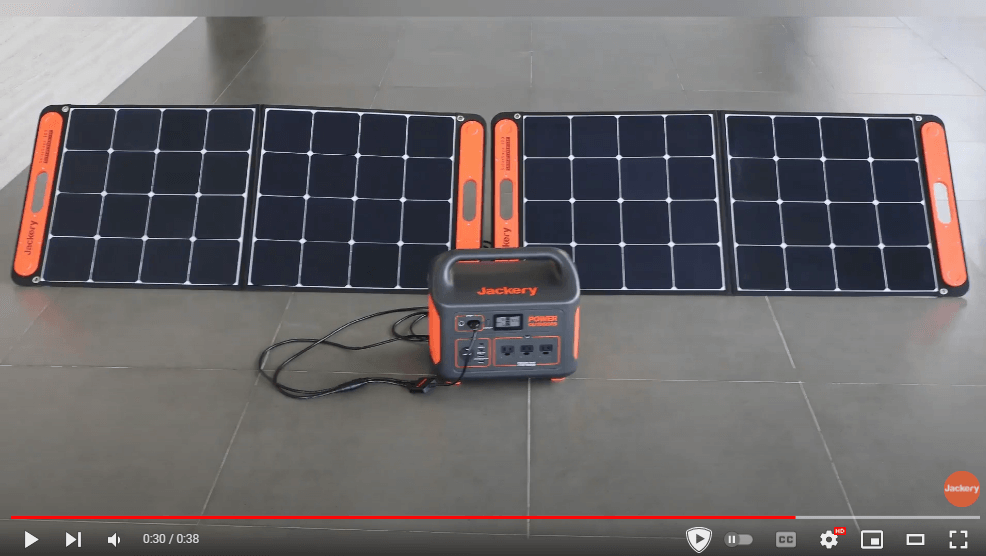
Solar panels collect sunlight and turn it into power. They are the most important part of a solar generator. More sunlight means more power. Choose panels with enough power for your needs. Place them in a sunny spot. They work best in direct sunlight.
The battery stores power from the solar panels. Use a battery that can hold enough power for your needs. Look for a deep-cycle battery. These batteries last longer. Make sure it is safe and reliable. Check the battery’s life span regularly.
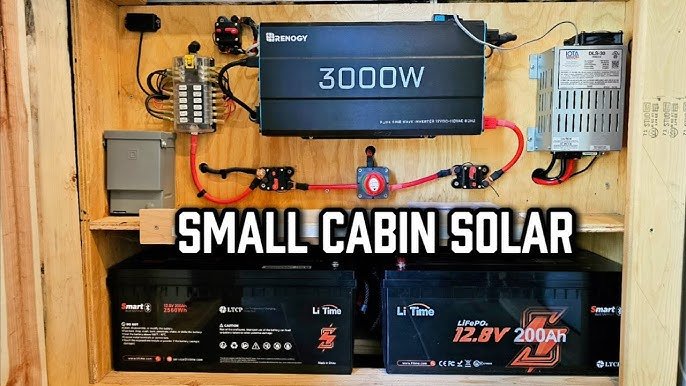
An inverter changes the stored power into usable electricity. It makes the power safe for devices. Choose an inverter with the right wattage. This ensures your devices work properly. Always check the inverter’s efficiency. A good inverter saves energy.
A charge controller protects the battery from overcharging. It controls the power flow to the battery. This extends the battery’s life. Choose a good quality charge controller. It should match your system’s voltage. This ensures safe operation.
Gathering Tools And Materials
To build a solar portable generator, you need some basic tools. A screwdriver is essential for tightening screws. A drill helps make precise holes. Wire cutters are needed for cutting wires cleanly. Pliers are used for gripping and twisting wires. A multimeter helps test electrical connections. Safety goggles protect your eyes from dust and debris. These tools make your work easier and safer.
- Solar panels:Capture sunlight and turn it into electricity.
- Battery:Stores the electricity generated by the solar panels.
- Charge controller:Prevents the battery from overcharging.
- Inverter:Converts stored energy to usable AC power.
- Wires and connectors:Connect everything together securely.
- Battery box:Protects the battery and keeps it safe.
Choosing The Right Solar Panels
Selecting solar panels is crucial for building a portable solar generator. Consider efficiency, size, and cost. High-efficiency panels capture more sunlight, while compact options enhance portability.
Panel Types
Solar panels come in different types. The most common are monocrystallineand polycrystallinepanels. Monocrystalline panels are usually more efficient. They have a sleek, black look. Polycrystalline panels are less efficient but cheaper. They have a blue, speckled appearance. Choosing the right type depends on your needs and budget.
Efficiency Considerations
Efficiency means how well the panel turns sunlight into energy. Higher efficiency panels produce more power. They are ideal for small spaces. Efficiency is measured in percentage. A panel with 20% efficiency is quite good. Always check the efficiency rating before buying. It helps to get the most energy from the sun.
Selecting A Suitable Battery
Choosing the right battery is crucial for building a solar portable generator. Consider capacity, lifespan, and compatibility to ensure efficient energy storage. Opt for lithium-ion or deep-cycle batteries for longer usage and reliability.
Battery Types
Choosing the right battery is important. Lead-acid and lithium-ion are common types. Lead-acid batteries are cheaper. They are heavier and have a shorter lifespan. Lithium-ion batteries are lighter. They last longer but cost more. Consider your needs and budget when deciding. A good battery will power your generator well.
Capacity And Lifespan
Battery capacity is measured in amp-hours (Ah). Higher Ah means more power storage. Think about how long you need power. More capacity is better for long use. Check the battery lifespan too. It tells how many cycles it lasts. A cycle is a full charge and discharge. Choose a battery with a long lifespan for better value. Balance capacity and lifespan for best results.
Credit: www.youtube.com
Installing The Inverter
Installing the inverter involves connecting it to the battery and solar panel. Ensure all connections are secure and tight. Follow the manufacturer’s instructions for optimal performance and safety.
Inverter Options
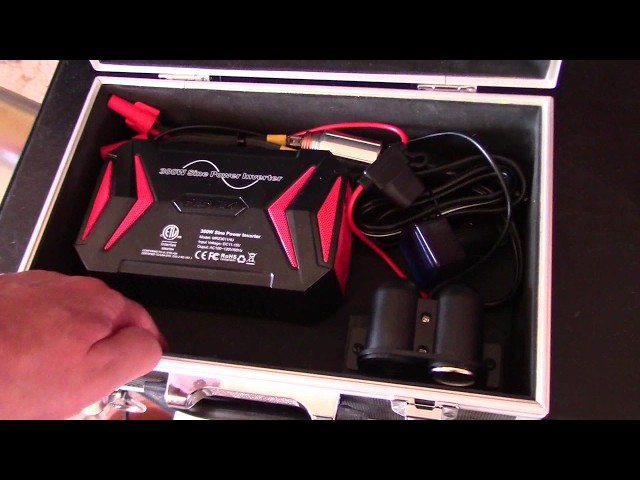
Choosing an inverter is important for your solar generator. Select based on your power needs. Types include pure sine wave and modified sine wave. Pure sine wave works best with sensitive devices. Modified sine wave is cheaper but less reliable. Think about what devices you’ll use.
Installation Tips
- Connect the inverter to the battery securely.
- Use thick wires for power transfer.
- Ensure ventilation around the inverter.
- Check for proper connections regularly.
- Keep the inverter dry and clean.
Setting Up The Charge Controller
Connect the charge controller to the solar panel and battery. Ensure proper polarity to avoid damage. Adjust settings for optimal energy flow and efficiency.
Controller Functions
The charge controller is a key part of solar generators. It protects the battery from overcharging. It also controls the flow of electricity. With this device, your battery stays safe. Some controllers have extra features. These include timers and displays. They help monitor energy use.
Connection Process
Connecting the charge controller is easy. First, attach it to the solar panel. Next, connect it to the battery. Make sure the wires are secure. Follow color codes for safety. Red wire is positive. Black wire is negative. Check all connections twice. This ensures proper setup.
Credit: www.jackery.com
Assembling The Generator
Assembling the generator involves connecting solar panels to a charge controller, battery, and inverter. Ensure all components are compatible and securely linked. Test the setup to guarantee efficient energy conversion and storage.
Step-by-step Assembly
Start by gathering all the necessary components. Ensure you have solar panels, a battery, an inverter, and wires. Connect the solar panels to the battery using the provided cables. Make sure the wiringis secure and tight. Next, attach the inverter to the battery. This will help convert stored energy into usable power. Check each connection to prevent any loose ends. Test the system to ensure everything works. If something feels wrong, double-check the connections.
Safety Precautions
- Wear protective gloveswhen handling wires.
- Ensure all components are turned offduring assembly.
- Keep the generator away from watersources.
- Store the battery in a cooland dry place.
- Check for any damagedwires before starting.
Testing And Troubleshooting
Testing and troubleshooting your solar portable generator ensures optimal performance. Verify connections are secure and components function correctly. Address any issues promptly for efficient energy use.
Initial Testing
Start by checking if the generator turns on. Ensure all connections are secure. Look for any loose wires. Make sure the solar panel is receiving sunlight. Observe if the battery charges properly. Test the output with a small device. Verify the voltage using a multimeter. Check if the inverter is functioning correctly. Ensure the generator runs smoothly. Listen for unusual noises. Check for overheating parts. Monitor the battery level during use.
Common Issues
- Battery not charging
- Loose connections
- Solar panel not receiving light
- Inverter malfunction
- Overheating issues
- No output power
- Unusual noises
Maintenance Tips
Regularly check the solar panels for dust and debris. Ensure battery connections are tight and corrosion-free. Store the generator in a dry place to prevent moisture damage.
Regular Checks
Check your solar generatorevery week. Look for any loose parts. Make sure all parts are clean. Dust can stop it from working well. Use a soft cloth to wipe it. Listen for any strange noises. They could be a sign of trouble. Make sure the battery is not too hot. This can damage it. Tighten any loose screws or bolts. They can make things fall apart.
Extending Lifespan
Keep your generator in a cool place.Heat can hurt it. Charge the battery often. This keeps it healthy. Use it regularly to check if it works well. If you find a problem, fix it quickly. This stops small issues from growing. Always follow the manual. It tells you the best way to use it. Protect it from rain and snow. Water can damage the parts inside.
Credit: solartiger.in
Frequently Asked Questions
Is It Cheaper To Build Your Own Solar Generator?
Building your own solar generator can be cheaper. It depends on your skills and component sourcing. DIY projects often save costs by avoiding labor fees. Ensure you compare prices and quality before purchasing. Consider long-term savings against initial investment for accurate cost assessment.
Can I Build My Own Solar Generator?
Yes, you can build your own solar generator. Start with solar panels, batteries, and an inverter. Ensure compatibility and capacity meet your energy needs. Research DIY guides for step-by-step instructions. Safety and efficiency are crucial in the setup process. Consider professional advice if needed.
How Long Will A 1000 Watt Solar Generator Run A Refrigerator?
A 1000-watt solar generator can run a refrigerator for about 5-8 hours. This depends on the refrigerator’s efficiency and power consumption, typically around 100-800 watts. Energy management and battery capacity also influence runtime. Consider energy-efficient models for longer operation.
What Can A 3000 Watt Solar System Run?
A 3000 watt solar system can power essential home appliances like a refrigerator, TV, lights, and small air conditioners. It supports devices up to 3000 watts combined, making it suitable for energy-efficient homes. Battery storage may enhance usage during cloudy days or nighttime.
Conclusion
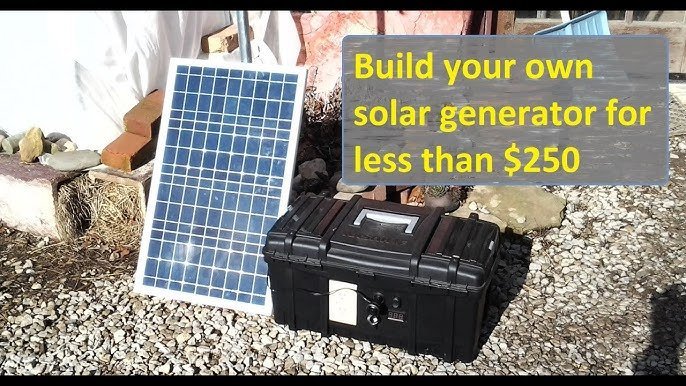
Building your own solar portable generator is rewarding. It saves money and energy. You gain skills and independence. This guide simplifies the process. Follow each step carefully. Use quality materials for better results. Enjoy reliable power anywhere you go. Perfect for camping trips or emergencies.
A great way to reduce carbon footprint. You’ll feel proud of your creation. Share your experience with others. Help them start their own projects. Embrace sustainable living. It’s not just a project. It’s a step towards a greener future. Happy building!