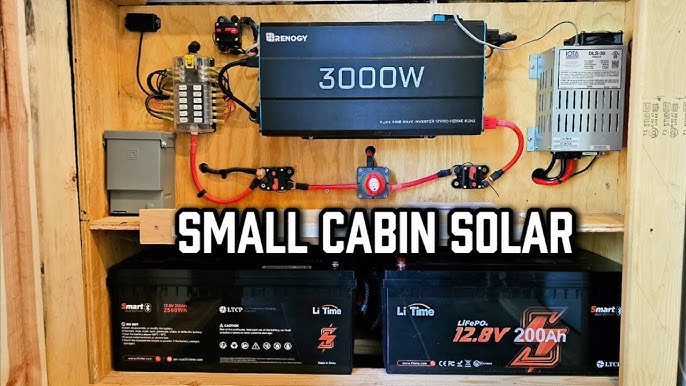
Imagine harnessing the power of the sun, turning sunlight into electricity, and never worrying about your energy bills again. With a solar generator, you can achieve just that.
This guide will show you how to build your own solar generator, unlocking a world of clean, renewable energy right at your fingertips. Whether you’re prepping for emergencies, planning an outdoor adventure, or simply looking to reduce your carbon footprint, a solar generator is the perfect solution.
You’ll discover how easy it is to create a reliable power source that fits your needs. Ready to take control of your energy future? Let’s dive into the step-by-step process and empower you with the knowledge to build your solar generator today.
Choosing The Right Components
Choosing the right components ensures your solar generator works efficiently. Consider the power needs of your devices. Select reliable solar panels, batteries, and inverters for optimal performance.
Solar Panels
Solar panels capture sunlight and turn it into electricity. Choose panels with high efficiency. They should be durable and weather-resistant. Size matters. Bigger panels produce more power. Check the warranty. A longer warranty means better quality.
Batteries
Batteries store energy for later use. Look for deep-cycle batteries. They last longer and handle many charges. Check the capacity. More capacity means more stored energy. Lithium batteries are light and durable. Lead-acid batteries are cheaper but heavier.
Charge Controller
Charge controllers protect batteries from overcharging. They regulate power flow. Choose a controller with a smart charging feature. It improves battery life. Look for one compatible with your battery type. Match the controller to your system’s voltage.
Inverter
Inverters change battery power to usable AC power. Pick an inverter that fits your power needs. Check the wattage rating. A higher rating handles more devices. Pure sine wave inverters are better for sensitive electronics. Make sure it’s efficient and reliable.
Understanding Energy Needs
First, list all devices you use daily. Write down each device’s power. This is shown in watts on the device label. Multiply watts by hours used. This gives daily watt-hours. Sum all the device watt-hours. This is your total daily power usage.
Solar panels have different power ratings. Check each panel’s wattage. Multiply it by sunlight hours. Average sunlight is 4-5 hours daily. This gives daily solar output. Choose panels to match your power needs.
Batteries store solar energy for later. Calculate storage in watt-hours. Multiply daily usage by days you want backup. Common backup is 2-3 days. Choose batteries that can meet your storage requirements.
Solar Panel Installation
Choose a spot with lots of sunlight. Avoid places with shade from trees or buildings. The roof is a great spot if it faces south. Make sure the area is strong enough to hold the panels. Safety is important, so wear protective gear while working.
Use strong mounts for your panels. Tilted mounts help capture more sunlight. Ensure the panels face the sun directly. Secure them with screws and brackets. Check that they are stable and won’t move in the wind.
Connect the wires carefully to avoid errors. Use waterproof connectors to keep out rain. Make sure positive and negative wires connect correctly. Tie the wires neatly to avoid tangling. Finally, test the connections to ensure they work well.

Credit: www.youtube.com
Battery Setup
Building a solar generator requires a well-planned battery setup. Select batteries that match your energy needs. Connect them safely to store and provide power efficiently.
Types Of Batteries
Solar generators use different types of batteries. Some popular choices include lead-acid, lithium-ion, and nickel-cadmium. Lead-acid batteries are heavy but cost less. Lithium-ion batteries are light and last longer. Nickel-cadmium batteries can handle many cycles but are less common.
Battery Bank Configuration
A battery bank can store energy for later use. Use parallel configurationto increase capacity. This helps store more energy. For more voltage, use series configuration. Connect batteries end to end. Check connections are secure and tight.
Safety Precautions
- Wear safety gloves.
- Keep batteries away from water.
- Ensure proper ventilation.
- Disconnect power before working.
- Check for leaks or damage regularly.
Connecting The Charge Controller
Pick a controller that matches your battery type. Ensure it handles the panel’s power. Check the voltage and current ratings. Choose between PWM and MPPT controllers. MPPT is usually more efficient.
Connect the solar panel to the controller. Use the positive and negative terminals. Then, connect the controller to the battery. Use the right wire size to prevent overheating. Double-check all connections are tight and secure.
Regularly check the controller’s display. Look for any error messages. Adjust settings if needed. Ensure the battery is charging properly. Keep the area clean and free of dust. This helps the system run smoothly.
Inverter Installation
Building a solar generator starts with proper inverter installation. Ensure the inverter is compatible with your solar panels. Connect the inverter securely to avoid electrical hazards and optimize energy conversion.
Selecting An Inverter Type
Choose an inverter based on your power needs. Some inverters are small and others are large. Pure sine wave inverters are great for sensitive devices. Modified sine wave inverters are cheaper but less efficient. Check the wattage and voltage compatibility.
Connecting To The Battery
Connect inverter wires to the battery. Red wire goes to the positive terminal. Black wire connects to the negative terminal. Ensure connections are tight and secure. Loose wires can cause problems.
Ac Output Configuration
Configure the AC output according to your needs. Use the outlets on the inverter. Check if the voltage matches your devices. Use extension cords if needed. Keep the inverter away from water and heat.
Testing And Maintenance
Regular testing ensures your solar generator runs smoothly. Routine maintenance extends its lifespan and boosts efficiency. Keep connections tight and panels clean for optimal performance.
Initial System Tests
Start by checking all connectionsin your solar generator. Ensure wires are secureand batteries are properly connected. Test the solar panels under bright sunlight. See if they produceenough power. Use a multimeterto measure voltage output. This will help ensure the system works.
Regular Maintenance Checks
- Inspect solar panels for dustand dirt.
- Clean panels with a soft cloth.
- Check battery health regularly.
- Ensure all cables are intact.
- Test the voltage output monthly.
Troubleshooting Common Issues
Sometimes, panels may not chargecorrectly. Check if panels are in direct sunlight. Inspect for any damaged wires. If batteries are not holding charge, they might be old. Consider replacingthem. Always keep a multimeterhandy for tests.

Credit: solardiysystem.com
Cost And Budget Considerations
Creating a solar generator involves assessing the cost of components like solar panels and batteries. Budget considerations include installation expenses and potential savings on energy bills. Planning ensures efficient spending and maximizes long-term benefits.
Estimating Initial Costs
Building a solar generator involves some initial costs. First, you need to buy solar panels. These can cost between $100 to $300 each. Batteries are also needed to store energy. They usually cost around $200 per unit. You will also need a charge controller and an inverter. These can add another $150 to $300 to your budget. Make sure to include small costs like wires and connectors. They might seem small, but they add up.
Potential Savings Over Time
Solar generators can help save money over time. You won’t need to pay for electricity from the grid. This can save you $50 to $100 each month. Over a year, the savings can reach $600 to $1,200. Using less grid electricity is also good for the planet. It’s a win-win situation for everyone!
Budget-friendly Tips
- Buy used solar panels to save money.
- Look for sales or discounts online.
- Try building your own battery pack.
- Start with a small system and expand later.
Environmental Impact
Building your own solar generator reduces reliance on fossil fuels, cutting emissions. Harnessing sunlight is a sustainable energy solution. This eco-friendly choice helps protect the environment while providing efficient energy.
Reducing Carbon Footprint
Solar generators help lower the carbon footprint. They use the sun’s energy, which is clean and renewable. No harmful gases are released. This helps our planet stay healthy. Families can breathe cleaner air. Animals also benefit from a cleaner environment. Solar power is a green choice for everyone.
Sustainable Energy Benefits
Solar energy is sustainable and never runs out. It’s different from coal or gas, which can finish. Sunlight is free and available every day. This makes solar power reliable. Using solar energy saves money on electricity bills. It also means less pollution in our world.
Long-term Environmental Gains
Building a solar generator brings long-term benefits. It helps keep the earth clean for future generations. Plants and animals can thrive in a cleaner world. This also helps to slow down climate change. Solar energy supports a healthier planet for everyone. It’s a smart choice for a bright future.

Credit: solartiger.in
Frequently Asked Questions
Is It Cheaper To Build Your Own Solar Generator?
Building your own solar generator can be cheaper, but depends on component quality and DIY skills. Costs vary based on parts like solar panels, batteries, and inverters. DIY projects might save money but require time and expertise. Buying a ready-made solar generator offers convenience but could be pricier.
Can I Build My Own Solar Generator?
Yes, you can build your own solar generator. Gather solar panels, batteries, an inverter, and charge controller. Connect components carefully, ensuring compatibility. Follow a guide or tutorial for assembly. Prioritize safety and efficiency. Enjoy renewable energy benefits by generating electricity independently.
How Long Will A 1000 Watt Solar Generator Run A Refrigerator?
A 1000-watt solar generator can run a refrigerator for about 10-12 hours, depending on energy efficiency and power usage. Check the refrigerator’s wattage and solar generator capacity for accurate duration. Energy consumption varies, so monitor power levels for optimal performance.
How Big Of A Solar Generator Do You Need To Power A House?
Calculate your home’s energy needs first. Most homes require a solar generator with a capacity of 5,000 to 7,000 watts. Consider your daily energy usage, location, and solar panel efficiency. Consult a professional for precise requirements tailored to your situation.
Conclusion
Building your solar generator is a smart move. It saves money and the planet. You gain energy independence with every step. Simple materials and tools make it accessible for all. Follow the steps, ensure safety, and enjoy your new power source.
Remember to check connections and performance regularly. This way, your system stays efficient. You’ll appreciate the benefits of renewable energy. It’s a rewarding DIY project for everyone. Start now and harness the sun’s power. Your journey to sustainable living begins here.