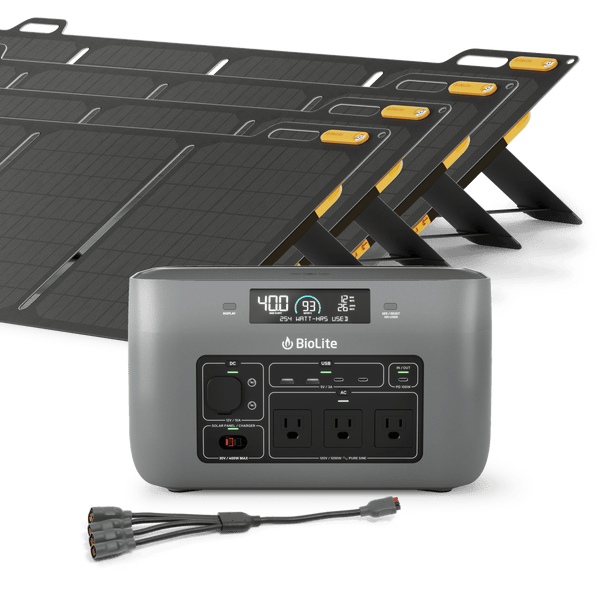
Are you tired of power outages disrupting your day? Or maybe you’re looking to reduce your carbon footprint while saving on electricity bills.
A solar generator might just be the solution you’re seeking. But with so many options on the market, how do you choose the right one for your needs? In this guide, we’ll walk you through everything you need to know about buying a solar generator.
From understanding the key features to look for, to making sure you get the best value for your money, we’ve got you covered. Dive in and discover how a solar generator can bring peace of mind and efficiency to your life.
Benefits Of Solar Generators
Choosing the right solar generator offers reliable, eco-friendly power solutions. These devices provide energy independence and reduce electricity bills. Consider factors like battery capacity, portability, and power output when making a purchase.
Eco-friendly Energy
Solar generatorsuse the sun to make power. This means they don’t harm the earth. They don’t make dirty smoke. They help keep the air clean. Using solar power is good for nature. It’s a smart choice for people who care about the planet.
Cost-effective Power
Solar generators save money over time. The sun’s energy is free. No need to pay for fuel. After buying a solar generator, you spend less on power. This saves money in the long run. It’s a wise investment.
Portability And Versatility
Solar generators are easy to carry. Take them anywhere you need power. Use them at home or on trips. They work in many places. They’re good for camping, traveling, or emergencies. Simple to useand reliable.

Credit: us.ecoflow.com
Types Of Solar Generators
Exploring solar generator types can ease your buying decision. Choose between portable, backup, or off-grid solar generators. Each type serves different needs, from camping to home power support.
Portable Solar Generators
Portable solar generators are light and easy to carry. They are perfect for camping or small trips. These generators use solar panels to gather sunlight. They store energy in batteries for later use. Small gadgets like phones and laptops can be charged with them. They are quiet and do not make smoke. Easy to set up, these are great for beginners.
Stationary Solar Generators
Stationary solar generators stay in one place. They are bigger and have more power. These generators can run big appliances like refrigerators. They often have larger solar panels for more energy. Homes use these for backup power. They are more expensive than portable ones. Stationary generators need a special place to set up.
Hybrid Solar Generators
Hybrid solar generators use solar energy and another power source. They mix solar panels with fuel or wind. This makes them very reliable. They work well when there is not much sunlight. They can power homes and businesses. These are more complex and costly. They need regular checks to work well.
Key Features To Consider
The battery capacity tells how much energy it can store. Bigger capacity means more hours of power. It’s like a big water tank storing more water. Choose the right size for your needs. A small battery might not last long. A big one can be heavy and costly. Check watt-hours (Wh) to know capacity.
Power output shows how much energy it can give at once. More output means more devices can run. Look for watts (W) to see the power output. Some devices need high power. Others need less. Make sure it matches your needs.
Not all generators work with all solar panels. Check the compatibility before buying. Some need special connectors. Others have built-in panels. Look for ones that suit your setup. Having the right match saves time and hassle.
Durability is about how strong it is. Check the material used to build it. Strong materials last longer. If it’s going outdoors, it needs to be tough. Weather can affect its lifespan. Choose materials that resist rain and heat.

Credit: www.jackery.com
Assessing Your Energy Needs
Identifying your energy consumption is crucial before purchasing a solar generator. Estimate wattage needs by listing essential devices and their usage duration. This helps in selecting a generator with adequate power capacity for efficient operation.
Calculating Power Requirements
Identify the wattage of each device. Check labels or manuals for this info. Add the wattages to find the total power needs. This helps choose the right solar generator.
Identifying Essential Devices
- Lights
- Refrigerator
- Phones
- Laptops
- Fans
Select the most important devices first. Think about devices needed during emergencies. Essential devices should be prioritized.
Estimating Usage Duration
Consider how long each device runs daily. Count hours of use for each. Multiply hours by wattage for total energy. This shows how much power is needed daily.
Budget And Cost Analysis
Solar generators can be costly at first. Prices range from a few hundred to several thousand dollars. The cost depends on size and power capacity. Bigger generators cost more but provide more energy. Consider your energy needs before buying. Some models offer extra features, which can increase the price.
Solar energy is free. Once you buy the generator, you save on electric bills. Over time, these savings can be significant. Less money spent on electricity means more savings. Solar generators also have low maintenance costs. This adds to your long-term savings.
Some stores offer financing plans. These plans help spread the cost over time. You pay small amounts each month. Check if interest rates apply. Compare different plans before choosing. Financing helps if upfront costs are too high.
Choosing The Right Brand
Some brands are trusted by many people. Goal Zero is well known for quality. Jackery offers great options for beginners. Bluetti has powerful generators. EcoFlow is popular for its fast charging. Each brand has unique features.
Reading reviews can help a lot. Look for customer feedback online. Happy customers often mention easy setup. They also like reliable power and long-lasting battery. Some reviews talk about good customer service. Negative reviews can point out potential problems.
Check the warranty before buying. A good warranty can save money. Most brands offer at least one year. Some provide longer warranties. Look for brands with good support. 24/7 customer service is a big plus. This helps if you have questions or issues.
Installation And Setup
Exploring solar generator options is essential. Consider capacity, output, and portability. After purchase, ensure proper installation and setup for optimal efficiency.
Site Selection
Choose a sunny spot for your solar generator. Make sure it’s away from tall trees and buildings. These can block sunlight and reduce power. A flat surface is best for stability. Check for any water hazards nearby. Water can damage the generator.
Connecting Components
Connect wires and cables to the right ports. Ensure each connection is tight to prevent power loss. Check the solar panel angle. It should face the sun directly. Secure the panels with screws. This keeps them in place during strong winds.
Safety Precautions
- Wear gloves to protect your hands.
- Check for loose wires regularly.
- Keep children away from the setup area.
- Never touch live wires.
- Use a dry cloth to clean panels.
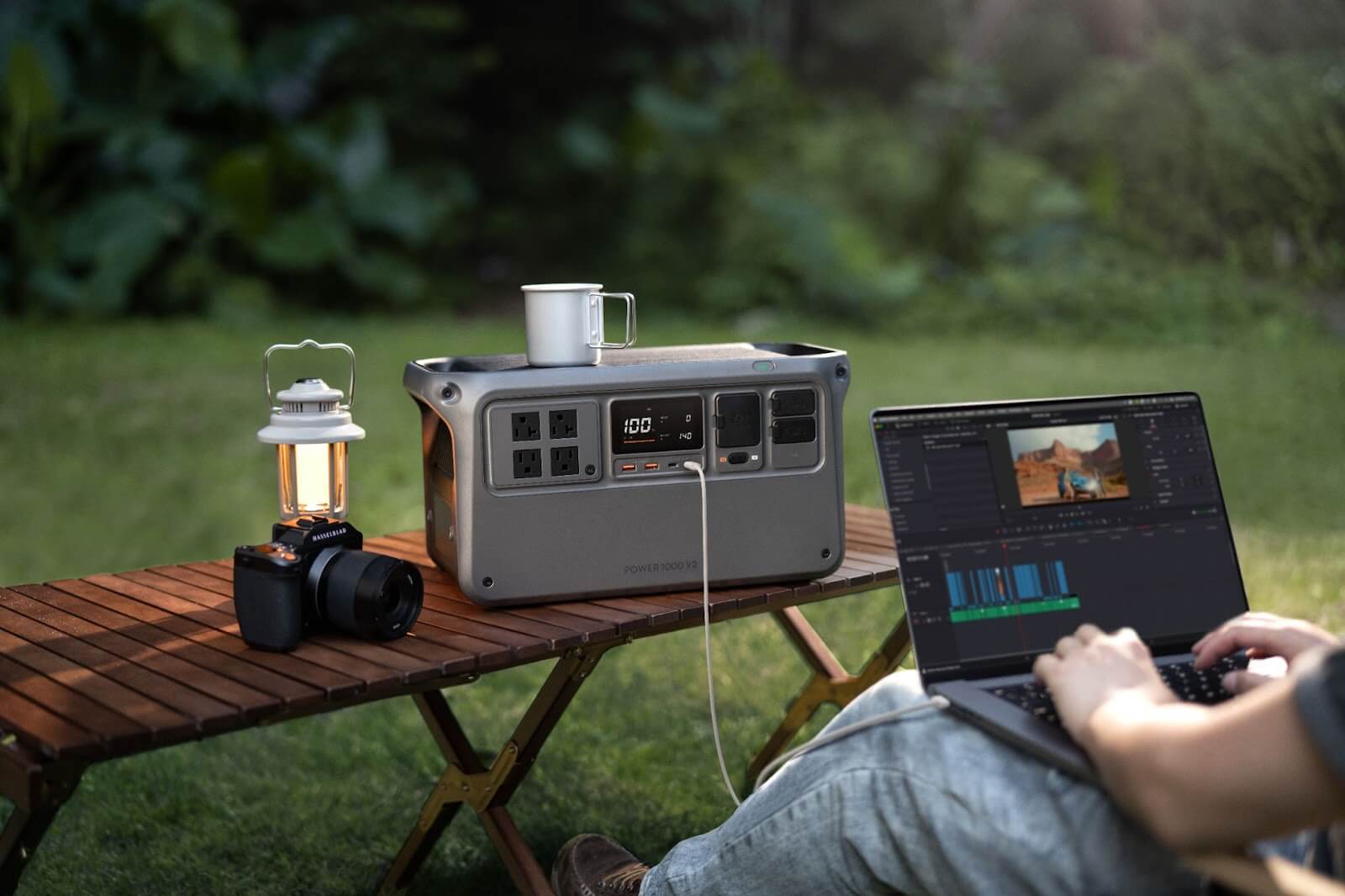
Credit: www.dji.com
Maintenance Tips
Choosing a solar generator involves checking wattage capacity and battery type for your power needs. Look for durability and easy maintenance features. Compare prices and warranties to ensure quality investment.
Routine Checks
Check the solar panels for dirt and damage. Ensure all connections are tight. Inspect the battery’s charge level. Listen for unusual noises. Look for any loose parts. Regular checks help keep the generator running smoothly.
Cleaning Procedures
Use a soft cloth to wipe the solar panels. Avoid harsh chemicals. Clean the battery terminals gently. Remove any dust or debris. Keep the panels clean for better energy capture. A clean generator works better.
Troubleshooting Common Issues
- Generator not starting? Check the battery charge.
- Low power output? Inspect the solar panels for dirt.
- Unusual noises? Tighten any loose parts.
- Lights flickering? Ensure all connections are tight.
Fix small issues quickly to avoid bigger problems.
Future Trends In Solar Technology
Solar panels are getting more efficient each year. New materials help capture more sunlight. Panels are now thinner and lighter. Flexible panels can fit on curved surfaces. Transparent panels allow light to pass through while collecting energy. These panels can be used as windows.
Batteries store energy from solar panels. They are becoming smaller and more powerful. Lithium-ion batteries are common and work well. Solid-state batteries are safer and last longer. Innovations in batteries help store more energy for use when needed.
Solar technology can connect with smart home devices. Smart systems manage energy use efficiently. They can turn off lights when no one is home. Smart thermostats adjust temperatures to save energy. Homeowners can monitor energy use on their phones.
Frequently Asked Questions
How Do I Determine What Size Solar Generator I Need?
Calculate your energy needs by listing appliances’ wattage. Add up total watt hours used daily. Choose a generator with sufficient capacity to cover your energy usage. Consider additional capacity for unexpected increases.
How Long Will A 1000 Watt Solar Generator Run A Refrigerator?
A 1000 watt solar generator can typically run a refrigerator for 5 to 7 hours. This depends on the refrigerator’s energy consumption, which averages 100 to 800 watts. Always check the refrigerator’s wattage to ensure efficient power usage.
What Can A 3000 Watt Solar Generator Run?
A 3000 watt solar generator can power small appliances like a refrigerator, TV, laptop, lights, and fans. It can also run power tools, microwaves, and charge electric devices. Always check the wattage of each device to ensure the generator’s capacity isn’t exceeded.
Are Solar Generators Worth Buying?
Solar generators are worth buying for eco-friendly, portable, and reliable power solutions. They reduce electricity bills and carbon footprint. These generators are ideal for emergencies, camping, and off-grid adventures. They offer long-term savings and energy independence, making them a smart investment for sustainable living.
Conclusion
Choosing the right solar generator is crucial for reliable power. Consider your energy needs and budget. Research different models and read user reviews. Check the generator’s capacity and portability. Ensure it includes necessary features like USB ports. Compare prices and warranties.
Make a list of your top choices. Think about the brand’s reputation too. Don’t rush your decision. Take your time to decide wisely. Investing in a solar generator offers eco-friendly energy. It provides peace of mind during power outages. Follow these steps, and you’ll make a smart purchase.
Enjoy sustainable power with your new solar generator!