
When the power goes out, your entire life seems to hit pause. Your lights flicker off, your fridge warms up, and your devices drain their batteries.
But what if you could avoid this chaos altogether? Enter the standby generator—a lifesaver for your home during unexpected power outages. If you’ve been considering buying one, you’re probably wondering where to start. With so many options and features, how do you choose the right one for your needs?
In this guide, you’ll discover the key factors to consider when buying a standby generator. You’ll learn how to make a smart investment that keeps your home running smoothly, even when the grid fails. Stay with us, and you’ll gain the insights you need to make an informed decision, ensuring peace of mind for you and your family.
Benefits Of A Standby Generator
Power reliability during outagesis the main benefit of a standby generator. It turns on automatically when the power goes out. This keeps your lights, fridge, and other important devices running without any interruption.
Automatic operation featuresmean you do not need to start the generator yourself. It senses power loss and starts right away. This gives you peace of mind, especially during storms or bad weather.
Protecting home appliancesis another key advantage. Standby generators provide steady power, which stops damage from power surges. This helps your electronics last longer and work better.
Types Of Standby Generators
Standby generators come in two main types: air-cooledand liquid-cooled. Air-cooled generators use fans to cool the engine and are usually smaller and quieter. They are best for homes or small businesses. Liquid-cooled generators use a liquid coolant to keep the engine cool. These are larger, more powerful, and used for big buildings or heavy-duty needs.
Fuel options for standby generators include:
- Natural Gas:Common and easy to connect if you have gas lines.
- Propane:Portable and stores well for emergencies.
- Diesel:Powerful and good for long runtimes but needs more care.
| Type | Cooling | Best For | Size |
|---|---|---|---|
| Air-Cooled | Fans | Homes, Small Businesses | Small to Medium |
| Liquid-Cooled | Liquid Coolant | Large Buildings, Heavy Use | Medium to Large |
Calculating Power Needs
Make a list of essential appliancesthat need power during an outage. Include items like the refrigerator, lights, heater, and medical devices. This helps know what the generator must support.
Calculate the total wattageby adding the wattage of each appliance. Check labels or manuals for wattage info. Remember, some devices need extra power to start. Use the higher “starting wattage” for these.
Think about future expansion. Plan for extra devices you might add later. Choose a generator that can handle more than your current needs. This keeps your home safe and ready for changes.
| Appliance | Running Wattage | Starting Wattage |
|---|---|---|
| Refrigerator | 700 W | 2200 W |
| Lights (10 bulbs) | 500 W | 500 W |
| Heater | 1500 W | 1500 W |
| Medical Equipment | 300 W | 300 W |
Credit: solarpowerstore.ca
Key Features To Look For
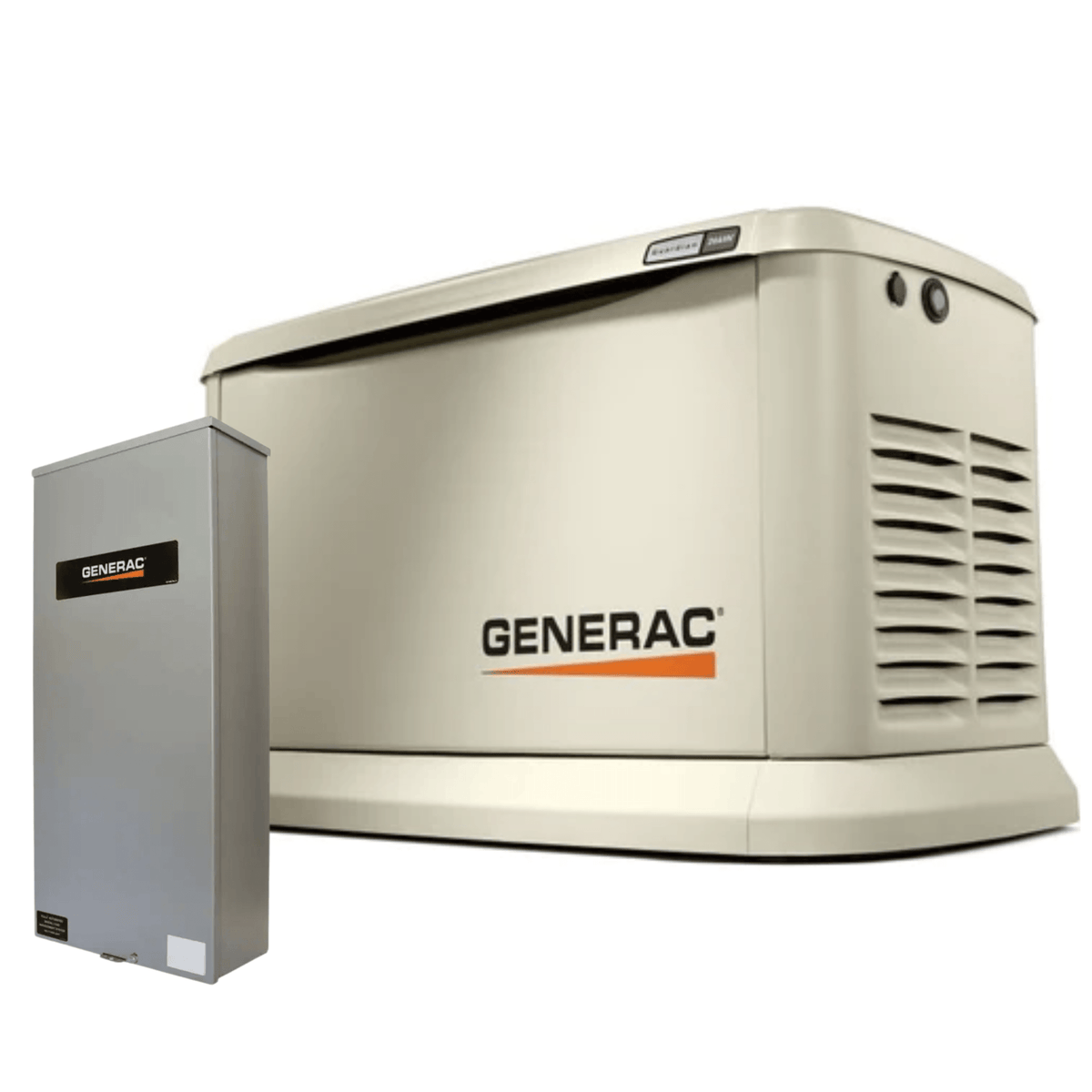
Automatic Transfer Switchlets the generator start by itself when power goes out. It moves power from the main line to the generator smoothly. This feature keeps your home safe and comfortable without any manual work.
Noise Levelsmatter because generators can be loud. Choose a model with low noiseso it won’t disturb your family or neighbors. Quiet generators work well at night and in close spaces.
| Warranty & Service Plans | Why It Matters |
|---|---|
| Basic Warranty | Covers defects and repairs for a set time |
| Extended Warranty | Offers longer protection and peace of mind |
| Service Plans | Include regular maintenance and check-ups |
Installation Essentials
Choosing the right sitefor your standby generator is key. Pick a place with good airflowand easy accessfor maintenance. Avoid spots near windows, doors, or vents to keep exhaust fumes away. The ground should be flatand solid to support the unit safely.
Professional installation ensures the generator works correctlyand safely. Experts handle wiring and connections to meet all safety rules. They also test the system to confirm it starts and runs well during power outages.
| Permits and Regulations | Details |
|---|---|
| Local Permits | Check with your city or county for required permits before installation. |
| Noise Limits | Generators must meet local noise level rules to avoid fines. |
| Safety Codes | Installation must follow electrical and building codes for safety. |

Credit: newlondonelectric.com
Maintenance Tips
Regular testing keeps the generator ready and reliable. Run the generator for about 20 minutes every month to check its performance. This helps spot any issues before a real power outage. Testing also charges the battery and circulates fuel.
Fuel storage must be safe and clean. Store fuel in a cool, dry place away from direct sunlight. Use proper containers made for fuel storage. Old fuel can damage the generator, so replace it every six months.
Professional servicing is important for long-term care. A technician should inspect the generator yearly. They check parts like the oil, filters, and spark plugs. Regular service keeps the generator working well and extends its life.
Cost Considerations
Upfront costsinclude the price of the generator and installation fees. Prices vary based on size and power capacity. Bigger units cost more but supply more power.
Operating expensescover fuel, maintenance, and repairs. Diesel or natural gas fuels are common. Regular checks help avoid expensive fixes later. Fuel efficiency affects monthly costs.
Long-term savingscome from avoiding power outages and damage to electronics. A standby generator can protect your home and comfort. Choosing the right size reduces waste and cost over time.
Common Mistakes To Avoid
Undersizing the generatorcan cause power failures during outages. Choose a generator that meets your home’s total power needs. Too small a unit won’t support all your appliances. This leads to frustration and inconvenience.
Ignoring installation requirementsmay result in unsafe setups or code violations. Proper wiring, permits, and placement are crucial. Always follow manufacturer guidelines and local laws. Poor installation can cause damage or hazards.
- Skipping maintenancereduces generator reliability.
- Regular oil changes and inspections keep it running well.
- Neglecting upkeep leads to failures when power is lost.
- Test your generator often to ensure it works.

Credit: www.homestars.com
Frequently Asked Questions
What Size Standby Generator Do I Need For My Home?
Choose a generator based on your home’s essential appliances and devices. Calculate total wattage to ensure sufficient power supply during outages.
How Much Does A Standby Generator Cost On Average?
Standby generators typically cost between $2,000 and $7,000. Installation, permits, and maintenance may add to the total expense.
Can I Install A Standby Generator Myself?
Professional installation is recommended for safety and code compliance. Licensed electricians ensure proper setup and connection to your electrical system.
How Often Should I Maintain A Standby Generator?
Regular maintenance every 6 to 12 months keeps your generator reliable. Check oil, filters, and battery to ensure optimal performance.
Conclusion
Choosing the right standby generator protects your home from power outages. Think about your power needs and budget first. Check the generator’s size, fuel type, and warranty. Installation by a professional ensures safety and reliability. Regular maintenance keeps your generator ready when needed.
A good standby generator brings peace of mind during storms. Take your time to compare options before deciding. Stay prepared and keep your home powered, no matter what.