Have you ever wondered if you’re getting the most out of your solar panels? Knowing how to calculate daily solar generation is key to understanding your system’s performance and maximizing its benefits.
Imagine being able to track exactly how much clean energy you’re producing each day, and how this translates into savings for your wallet and the environment. This knowledge empowers you to make informed decisions about energy use and efficiency. You’ll discover a straightforward approach to calculating daily solar generation, providing you with insights that could transform how you view your solar investment.
Ready to unlock the potential of your solar panels? Let’s dive in!
Understanding Solar Panel Basics
Solar panels come in different types. Monocrystalline panelsare efficient and long-lasting. Polycrystalline panelsare less costly but less efficient. Thin-film panelsare lightweight and flexible. Each type serves a different purpose. Choose based on needs and budget.
Efficiency tells how well a panel turns sunlight into power. Higher efficiency means more energy. Monocrystalline panelsoften have high efficiency. Polycrystalline panelsare usually lower in efficiency. Efficiency affects how much energy you can get daily. Always check efficiency before buying.

Credit: vtoman.com
Factors Affecting Solar Generation
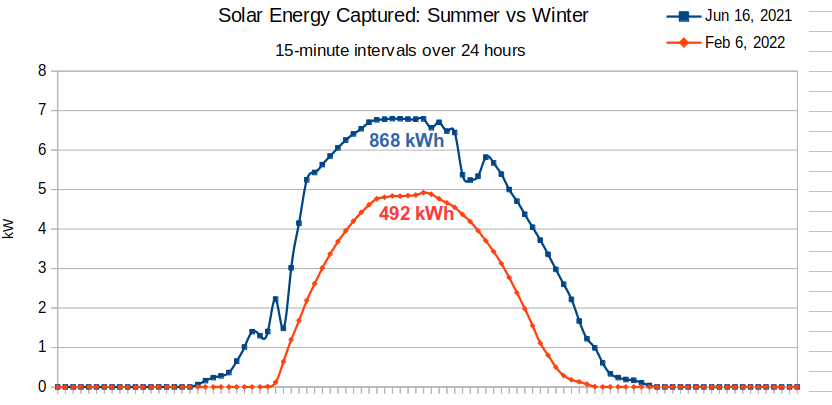
Sunlight varies in different places. Some places get more sun. This affects solar power. Near the equator, there’s more sunlight. In northern places, there’s less. This changes in different seasons too. Summer has more sunlight than winter. Knowing your location helps in planning solar use.
Clouds can block sunlight. Rainy days reduce solar power. Snow can cover panels. Windy days might shake them. Weather impacts solar generation. Sunny days are best for solar. But, solar panels work even on cloudy days.
Panels should face the sun directly. This gets the most sunlight. The tilt angle is important too. It should match the sun’s angle. In winter, tilt more. In summer, tilt less. Proper orientation and tilt help generate more power.
Tools And Equipment Needed
Solar monitoring systems are crucial for tracking energy output. They provide real-time data on solar generation. This helps in understanding panel efficiency. Various systems display power levels and energy trends. Some systems are installed on roofs. Others can be accessed via mobile apps. Users can check solar production anytime. This ensures efficient energy use. Proper monitoring can save money.
Power inverters change solar energy into usable electricity. They are key components of a solar setup. Inverters convert DC power to AC power. This is necessary for household appliances. Many inverters have built-in safety features. These protect against overloads and surges. Inverters are available in different sizes. Choose one based on your energy needs. Quality inverters ensure consistent power supply.

Credit: m.youtube.com
Calculating Solar Power Output
To find daily solar power, use this formula. Multiply solar panel wattageby sunlight hours. Divide the result by 1,000. This gives the daily kilowatt-hours(kWh). For example, a 200-watt panel with 5 hours of sunlight will generate 1 kWh. Keep in mind, efficiency may vary.
Solar calculators make things easy. Enter your panel’s details and sunlight hours. The calculator shows daily power output. Some calculators also consider location and panel tilt. They provide more accurate results. Easy to use and helpful for planning.
Analyzing Data For Optimization
Solar panels produce energy from the sun. This energy is called solar generation. It’s important to track how well they work. Keep a daily log of the energy produced. Use meters to record the data. Note the weather conditions too. Sunny days produce more energy. Cloudy days produce less. Compare daily logs to find patterns. Look for days with low production. Check for issues with the panels or equipment. Adjust settings to improve performance. Tracking helps find problems early. This can save money and energy.
Not all panels work at their best every day. Inefficiencies can happen. Check for dirt or shadows on the panels. These can block sunlight. Make sure all parts are working well. Sometimes, the angle of the panel is wrong. Adjust the angle to face the sun directly. Regular checks are needed. Keep records of repairs and maintenance. This helps identify patterns. Fixing inefficiencies boosts energy production. More energy means more savings. Regular checks ensure your panels work best.
Tips For Maximizing Solar Output
Keep panels clean to ensure optimal sunlight absorption. Dust and dirt reduce efficiency. Use water and a soft brush for cleaning. Check for any cracks or damage regularly. Fixing issues quickly maintains energy generation. Ensure no shade obstructs the panels.
Upgrade old components for better performance. New inverters can increase energy output. Modern panels are more efficient than older ones. Check compatibility before upgrading. Consult a professional for installation guidance. Better technology boosts energy collection.

Credit: shopsolarkits.com
Frequently Asked Questions
How To Calculate Daily Solar Generation?
Calculate daily solar generation using the formula: panel wattage × sunlight hours × efficiency. Ensure accurate input values.
What Is The 20% Rule For Solar Panels?
The 20% rule for solar panels refers to maintaining at least a 20% efficiency loss buffer. This ensures optimal performance despite potential shading, dirt, or other obstructions. By accounting for this buffer, you can maximize energy output and improve the system’s overall efficiency and reliability.
How Much Should My Solar Panels Generate Per Day?
Solar panels typically generate 2-5 kilowatt-hours per day per kilowatt of installed capacity. Efficiency varies by location, weather, and panel quality. Regular maintenance ensures optimal performance.
What Is The Formula For Solar Panel Electricity Generation?
The formula for solar panel electricity generation is: Energy (kWh) = Solar Panel Wattage (kW) × Sunlight Hours × Efficiency. This formula calculates the total energy produced by a solar panel based on its capacity, the amount of sunlight received, and its efficiency rate.
Conclusion
Calculating solar panel output is simpler than it seems. With clear steps, anyone can estimate daily solar generation. Check sunlight hours in your area. Understand your panel’s efficiency and size. Use these details to predict energy production. Regular calculations help optimize solar usage.
This method saves money and supports green energy. Small adjustments make a big difference. Monitor your solar panels regularly. It’s a smart step for sustainable living. Renewable energy is the future. Start today and harness the sun’s power effectively. Stay informed and enjoy the benefits of solar energy.