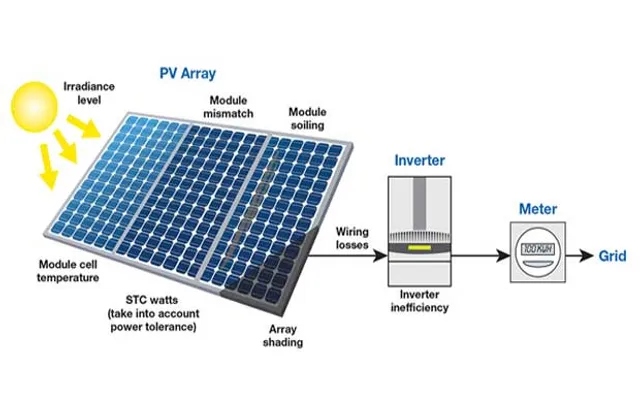
Are you curious about how much electricity your solar panels can actually generate? Understanding this can empower you to make informed decisions about your energy use and even save you money.
Imagine a future where you can monitor your energy production and optimize it for maximum efficiency. That’s not just a dream—it’s entirely possible when you know how to calculate the electricity generated from your solar panels. You’ll discover simple methods and practical tips to accurately calculate solar energy output.
Whether you’re a homeowner looking to reduce your electricity bills or just someone interested in renewable energy, this guide is for you. Stay with us to unlock the secrets of harnessing the sun’s power effectively and make your solar investment work harder for you.
Solar Panel Basics
There are three main types of solar panels: monocrystalline, polycrystalline, and thin-film. Monocrystalline panels are made from single silicon crystals. They are efficient and last long. Polycrystalline panels are made from many silicon pieces. They cost less but are less efficient. Thin-film panels are lightweight and flexible. They are less efficient but easy to install.
Solar panels capture sunlightand turn it into electricity. Photovoltaic cellsinside the panels do this job. These cells have silicon and other materials. Sunlight hits the cells and excites electrons. Excited electrons move and create electricity. This electricity can power homes and gadgets. Panels work best in sunny places.
Assessing Solar Potential
Assessing solar potential involves calculating the electricity generated from solar panels. Consider factors like sunlight hours, panel efficiency, and roof orientation. Multiply these with the panel’s wattage to estimate the energy output.
Evaluating Sunlight Exposure
To calculate solar energy, check the sunlight your area gets. More sunlight means more energy. Use a solar map for help. Solar maps show sunlight data for different places. Look for areas with fewer shadows. Trees and buildings can block sunlight. A roof facing south is ideal. It gets the most sunlight during the day.
Understanding Solar Irradiance
Solar irradiance measures sunlight reaching a surface. It is measured in watts per square meter. Higher irradiance means more electricity. Use local weather data to find it. Check websites for solar irradiance values. This helps in planning your solar panel setup. Compare values with other locations. Choose the best place for your panels.
Calculating Energy Output
Solar panels turn sunlight into electricity. The efficiency of a panel matters. It tells how well a panel converts light. Most solar panels have an efficiency of 15% to 20%. This means they change 15% to 20% of sunlight into power. To find out how much power, you need the panel’s capacity. It’s shown in watts. Multiply the panel capacity by hours of sunlight. This gives the total energy output. Remember, weather affects efficiency too.
Solar calculators make it easy. They help estimate energy from panels. Enter the panel capacity in the calculator. Add the number of sunlight hours. Include panel efficiency rate too. The calculator shows the energy you can expect. It’s helpful for planning. It gives a clear idea of potential savings. Always keep your location in mind. Different places get different sunlight. A calculator can guide you well.
System Size Determination
Understanding how to calculate electricity generated from solar panels involves assessing panel efficiency and sunlight hours. Consider the panel’s wattage and multiply by sunlight received daily for estimated energy output.
Calculating Household Energy Needs
Determine the average energy usage from electricity bills. Check your bill for kilowatt-hours (kWh) used per month. Find the yearly usage by multiplying monthly kWh by 12. This gives you a clear idea of your energy needs.
Sizing Your Solar Array
Divide the yearly energy usage by 365 to get daily usage. Consider the sunlight hours in your area. More sunlight means more energy from solar panels. Calculate the number of panels needed. Use panel efficiency rates to get accurate sizing. Choose panels that fit your roof space.
Installation Considerations
The sun’s rays should hit the panels directly. This means the roof’s orientationmatters. South-facing roofs get the most sun. The angle of the roofis also important. A tilt of 30 to 45 degrees is often ideal. This helps panels catch more sunlight. Proper orientation and tilt improve energy generation.
Solar panels need enough space to work well. A small roof might not fit many panels. Each panel needs about 1.6 square meters. More panels mean more electricity. Check your roof’s size before buying panels. Make sure there’s room for all the panels you need.

Credit: solar-and-heating.ovo.com
Monitoring And Maintenance
Calculating electricity generated from solar panels involves measuring sunlight exposure and efficiency. Regular monitoring ensures accurate readings. Proper maintenance helps sustain optimal performance and output.
Tracking Energy Production
Solar panels make electricity from sunlight. It is important to check how much energy they make. Use a monitor to see the energy numbers. The monitor shows the energy every day. It helps to know if the panels work well. If energy is low, there might be a problem. Check the numbers often. This helps to keep the panels healthy.Routine Maintenance Tips
Solar panels need care to work well. Clean them often to remove dirt. Use water and a soft cloth. Do not use strong cleaners. Check for any broken parts. Fix them quickly. Look at the wires too. Ensure they are not loose. Regular checks keep the panels happy. Happy panels make more energy. This is good for everyone. `Cost And Savings Analysis
Calculate electricity generated from solar panels by considering panel efficiency, sunlight hours, and system size. Determine kilowatt-hours produced to assess savings and cost-effectiveness.
Calculating Initial Costs
Solar panels need an upfront payment. The cost depends on size and type. Installation fees add to the total. Many companies offer financing plans. This makes payments easier. Sometimes, there are government incentives. These reduce the initial costs. It’s smart to compare prices from different providers.
Long-term Savings Potential
Solar panels can save money over time. Electricity bills get lower. Some people even earn money. They sell extra power back to the grid. Over many years, savings can be big. Panels need little maintenance. This helps keep costs down. It’s good for both the wallet and the planet.
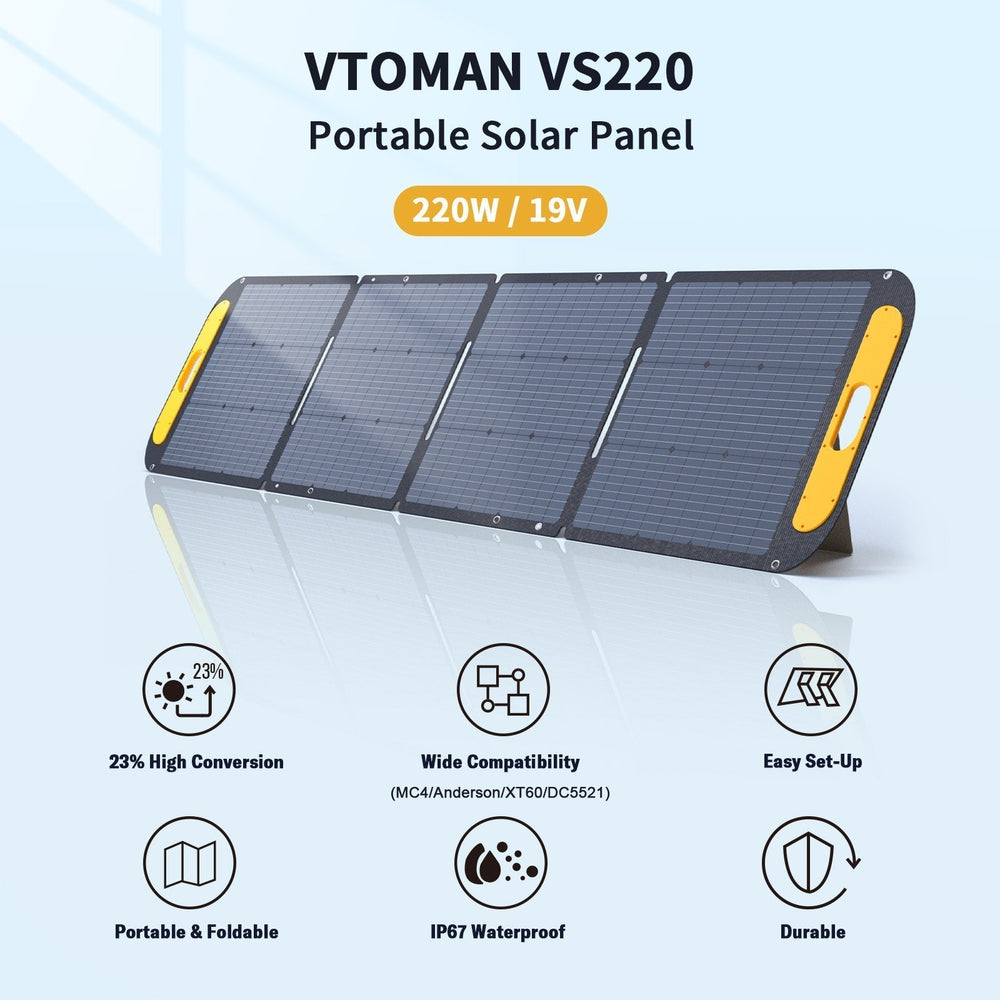
Credit: vtoman.com

Credit: shopsolarkits.com
Frequently Asked Questions
How Do You Calculate The Energy Generated By Solar Panels?
Calculate solar energy by multiplying panel wattage by sunlight hours and efficiency. Use the formula: Energy = Wattage × Sunlight Hours × Efficiency. Ensure panels face direct sunlight for accurate results. Monitoring tools can help track real-time energy output. Regular maintenance enhances performance and accuracy in measurements.
How To Calculate Current Produced By Solar Panels?
Calculate solar panel current by dividing power output (watts) by voltage (volts). Use the formula: Current (Amps) = Power (Watts) / Voltage (Volts). Ensure accurate measurements for optimal results.
What Is The 20% Rule For Solar Panels?
The 20% rule for solar panels suggests oversizing your system by 20% to account for inefficiencies. This ensures maximum energy production and compensates for factors like shading or weather conditions, optimizing performance and achieving better returns on investment.
How Can I Tell How Much Electricity My Solar Panels Are Generating?
Use a solar inverter or monitoring app to check electricity output. These tools provide real-time data on generation. Regularly track performance to ensure efficiency. Keep panels clean and maintain them for optimal results. Accurate readings help in managing energy usage effectively.
Conclusion
Solar panels offer a sustainable way to generate electricity. Calculating their output is simple. Check your panel’s wattage and sunlight hours. Multiply them for daily energy. Don’t forget efficiency losses. Weather and panel angle affect results. Regular maintenance ensures optimal performance.
Clean panels produce more energy. Monitor your system’s output regularly. Keep track of any changes. This helps in energy planning. With practice, calculations become second nature. Understanding these basics empowers you. Make informed decisions about your energy needs. Solar energy is a reliable choice.
Embrace it for a greener future.