Imagine harnessing the power of the sun to cut down your electricity bills and contribute to a greener planet. Sounds like a win-win, right?
But before you can fully dive into the world of solar energy, there’s one crucial thing you need to understand: how to calculate generation from solar yield. Knowing this helps you maximize your investment and ensure you’re getting the most out of your solar panels.
Whether you’re a homeowner looking to save money or someone curious about sustainable energy, this guide will simplify the process for you. Stay with us, and you’ll discover not just the ‘how’, but also the ‘why’ of every step, making you an informed solar enthusiast in no time.

Credit: www.reddit.com
Solar Energy Basics
Calculating solar yield involves determining the energy output from solar panels. Consider factors like sunlight hours, panel efficiency, and system size. Multiply these to estimate daily or monthly energy generation effectively.
Sunlight Conversion Process
Solar panels catch sunlight. They turn it into electricity. The sun’s rays hit the panels. This starts the conversion process. Panels have cells inside them. These cells are called photovoltaic cells. They work like magic to make electricity. They do this using a special reaction. The reaction happens when sunlight hits them.
Photovoltaic Systems Overview
Photovoltaic systems use many solar panels. These panels are linked together. The panels make electricity from sunlight. The system has other parts too. It includes inverters. Inverters change the electricity into a usable form. The electricity can power homes and devices. It’s clean and renewable. That’s why many people use solar power. It’s good for the planet.
Factors Influencing Solar Yield
Solar yield calculation involves understanding key factors like sunlight exposure, panel efficiency, and temperature variations. Accurate measurements of these elements help predict the power generation potential effectively.
Weather Conditions
The sun is key for solar panels. Bright, sunny days increase solar yield. Clouds block sunlight and reduce energy. Rain can wash panels, making them work better. Snow and ice can cover panels. They stop sunlight from reaching them. This lowers energy production. Check the weather to know your panel’s performance.
Panel Orientation And Angle
Panels need the right angle to get the most sun. Facing south is best in many places. The angle should match the sun’s path. This changes with seasons. In winter, the sun is lower. Adjust the angle for more light. A good angle means more energy from the sun.
System Efficiency
Not all solar systems work the same. Some systems convert sunlight to energy better. This is their efficiency. Clean panels work better. Dust and dirt reduce efficiency. Regular checks help keep the system running well. Use the best parts for higher efficiency. Better efficiency means more energy for your home.
Calculating Solar Generation
Several tools and software help in calculating solar power. PVWatts Calculator is popular and easy to use. HelioScope offers detailed solar designs. SAM by NREL provides advanced analysis. These tools help estimate the solar yield accurately.
To calculate solar generation, use simple formulas. Solar Power (kW) = Solar Panel Area (m²) × Efficiency × Solar Irradiance (kW/m²). This formula gives a basic estimate. Adjust for real-life conditions for accuracy.
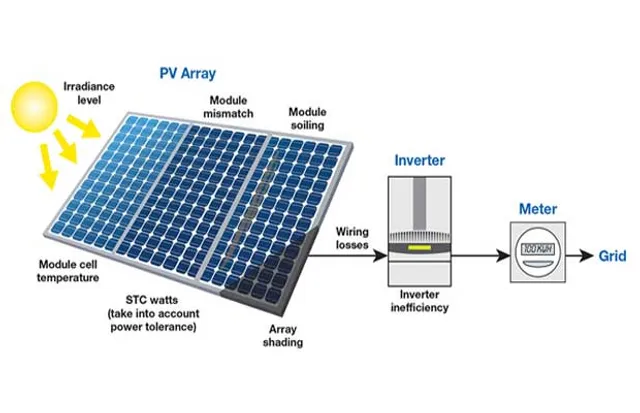
Solar panels face several losses. Dust, shading, and temperature affect output. Account for these in calculations. Typical losses range from 10% to 20%. Always use updated data for precision. Consider wiring and inverter efficiency too.
Monitoring Solar Output
Real-time trackinghelps see how much energy is produced now. Special tools show the current solar power. They help check solar panels every minute. This makes sure they work well. If something is wrong, it can be fixed quickly. Real-time data is important to keep solar panels healthy and productive.
Data analysishelps understand solar power patterns. It shows how much power is made each day. Charts and graphs help see trends and changes. Analyzing data helps find the best sunny days. This information helps improve solar panel efficiency. It can also help plan future energy needs.
Performance metricsmeasure how well solar panels work. Important metrics include efficiency and capacity. Efficiency shows how much sunlight is turned into power. Capacity is how much power is produced. Keeping track of these metrics helps maintain solar panels. Good performance means better energy savings.
Maximizing Solar Generation
Solar panels should face the sun directly. This increases energy collection. Place panels where they get sunlight all day. Avoid shadows from trees or buildings. Use high-quality panels for better efficiency. This helps to make more power.
Keep panels clean for best performance. Dirt can block sunlight. Check for damage regularly. Fix any broken parts quickly. Panels should be checked by experts. They ensure everything works well.
Use new technologies for better results. Modern inverters improve energy conversion. Solar tracking systems follow the sun. This maximizes sunlight capture. Always update systems for higher efficiency.

Credit: www.sevensensor.com
Case Studies And Applications
Understanding solar yield calculation helps optimize energy generation. Assess sunlight hours, panel efficiency, and local weather conditions. Use these factors to estimate power output accurately.
Residential Solar Systems
Residential solar systems are a popular choice for homes. They help save on electricity bills. Panels are usually placed on rooftops. This location gets the most sunlight. Homeowners can monitor energy production with apps. These systems are easy to maintain. They provide clean energy for families.
Commercial And Industrial Use
Businesses use solar to cut energy costs. Factories and offices install large systems. They need more power than homes. Solar panels can cover rooftops or open fields. This helps companies meet sustainability goals. It also reduces their carbon footprint. Investing in solar is smart for business growth.
Innovative Projects
Innovative solar projects are exciting. Some cities use solar roads. These roads generate energy while cars drive on them. Other projects include solar boats and planes. These projects show how solar can power almost anything. They inspire new ideas for clean energy solutions. Future projects may change how we use solar power.

Credit: www.convertcalculator.com
Frequently Asked Questions
How To Calculate Solar Generation?
To calculate solar generation, multiply the solar panel’s wattage by the average daily sunlight hours. Then, multiply the result by the system’s efficiency rate. This provides the daily energy output in kilowatt-hours (kWh). Adjust for factors like shading, weather, and panel orientation for accurate results.
How To Measure Solar Generation?
Use a solar power meter to measure solar generation. Install the meter between the solar panels and inverter. Regularly check the meter’s readings for accurate measurements. Consider using data logging systems for detailed analysis. Ensure your solar system is functioning optimally for precise results.
How To Calculate Solar Panel Generation Factor?
Calculate the solar panel generation factor by dividing the total electricity produced by the panel’s capacity. This factor helps assess efficiency and performance, guiding optimal solar energy use. Accurate calculations depend on location, weather, and system conditions. Regular monitoring ensures effective solar panel utilization.
How To Predict Solar Generation?
Predict solar generation by analyzing weather forecasts, sunlight hours, and historical solar panel performance data. Use advanced software tools for accurate predictions. Regularly update models based on real-time conditions to optimize solar output forecasts.
Conclusion
Understanding solar yield calculations helps maximize energy production. Start with accurate data collection. Measure sunlight hours and panel efficiency. Use simple formulas to estimate energy generation. Consider seasonal changes for better accuracy. Regular checks on solar panels ensure optimal output.
Keep track of maintenance schedules for long-term benefits. Online calculators can simplify the process. Monitor your system’s performance regularly. Make adjustments as needed to improve results. Always aim for better energy efficiency. With proper calculations, solar power becomes a reliable energy source.
Embrace the potential of clean energy today.