
Are you planning to install a silent diesel generator and want to make sure it runs smoothly without any hiccups? Knowing how to calculate the load for your generator is key to getting it right.
If you choose the wrong size, you could face power shortages or waste money on an oversized unit. This guide will walk you through simple steps to figure out exactly what your generator needs to handle. By the end, you’ll have the confidence to pick the perfect generator that meets your power demands quietly and efficiently.
Keep reading to avoid costly mistakes and make your investment count!

Credit: www.youtube.com
Basics Of Silent Diesel Generators
Silent diesel generators are machines that produce power quietly. They are useful in places where noise must be low. There are several types, such as standby, prime, and continuous power generators. Each type serves a different purpose and runs for different times.
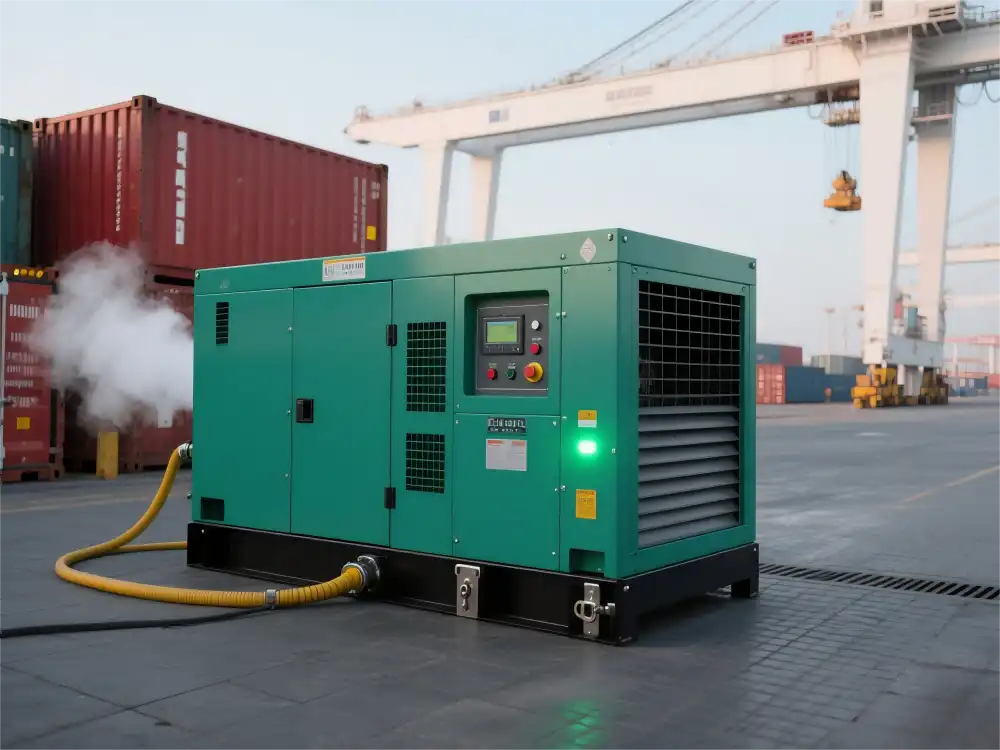
The key components include the engine, alternator, control panel, and silencer. The engineburns diesel to create energy. The alternatorturns this energy into electricity. The control panelmanages the generator’s functions and safety. The silencerreduces noise, making the generator quiet and neighbor-friendly.

Credit: forumelectrical.com
Factors Influencing Load Calculation
Power requirementsare the first thing to consider. List all equipment that will connect to the generator. Check the power rating (in watts or kilowatts) of each device. Add these values to find the total power needed.
Starting loadsare often higher than running loads. Some machines need extra power to start. Electric motors, air conditioners, and pumps can draw 2-3 times their running power initially. Include this in your calculation to avoid overload.
Adding a safety marginhelps handle unexpected power surges. Usually, add 10-20% more than the total load. This margin also prepares for future expansion. Planning ahead avoids buying a new generator soon.
Step-by-step Load Calculation
List every electrical devicethat will use power from the generator. Include lights, fans, heaters, and appliances. Write down their wattage ratings. This info is usually on the device label or manual.
Add all the wattages to find the total wattageneeded. This gives the power your generator must supply.
Convert the total wattage into kilowatts by dividing by 1000. For example, 3000 watts equals 3 kilowatts (kW).
Adjust for the power factorsince not all devices use power efficiently. Multiply kilowatts by the power factor (usually 0.8). This shows the real power demand.
Selecting The Right Generator Capacity
Choose a generator with a capacity that meets your total load demand. The generator rating should be higher than the peak loadto avoid overload. Calculate both peakand continuous loadsto find the right size.
Peak load is the highest power your equipment needs at once. Continuous load is the average power used over time. The generator must handle the peak load safely for a short time without damage.
| Load Type | Description | Consideration |
|---|---|---|
| Peak Load | Maximum power at any moment | Generator rating should exceed this value |
| Continuous Load | Average power over time | Generator should run efficiently at this load |
Adding a margin of safetyhelps protect the generator. Usually, select a generator with 10-20% more capacity than total load.
Practical Tips For Accurate Load Assessment
Load metershelp measure the actual power used by the diesel generator. These tools show how much electricity is drawn from the generator in real time. Monitoring tools can track changes in load over time to avoid overloads and prevent damage.
Manufacturer specifications provide important details about the generator’s load capacity and limits. Always check these specs to match the generator’s load with its design capabilities. This helps to keep the generator running safely and efficiently.
Regular load testing ensures the generator works well under different conditions. Testing helps find any issues before they cause failures. Maintenance after testing keeps the generator in good shape and ready for use.
Credit: www.whjlmech.com
Frequently Asked Questions
What Is The First Step To Calculate Load For A Silent Diesel Generator?
The first step is to identify all electrical appliances and their power ratings. Then, sum their wattages to find the total load. This helps ensure the generator capacity matches your needs accurately, avoiding under or overloading issues.
How Do You Determine The Running And Starting Loads?
Running load is the continuous power needed, while starting load is the surge power during startup. Calculate running load by adding all appliance wattages. Consider starting load by including motor and compressor surge wattages for accurate sizing.
Why Is Power Factor Important In Load Calculation?
Power factor affects the real power drawn from the generator. A low power factor means more current is needed, increasing load. Including power factor in calculations ensures you size the generator correctly to handle the actual power demand efficiently.
How Do You Convert Watts To Kilowatts For Generator Load?
Divide the total watts by 1,000 to convert to kilowatts. This standard unit helps compare loads with generator ratings. For example, 5,000 watts equals 5 kilowatts, making it easier to select the right generator size.
Conclusion
Calculating the load for a silent diesel generator is essential. It ensures efficiency and reliability. Start by determining your total power needs. List all devices and their wattage. Consider peak power requirements to avoid overload. Select a generator that meets or exceeds your total load.
Regular maintenance keeps your generator running smoothly. A well-calculated load prevents unexpected failures. Safety should always be your priority. By following these steps, you can ensure effective generator use. Your power needs will be consistently met. Plan ahead for a reliable power source.