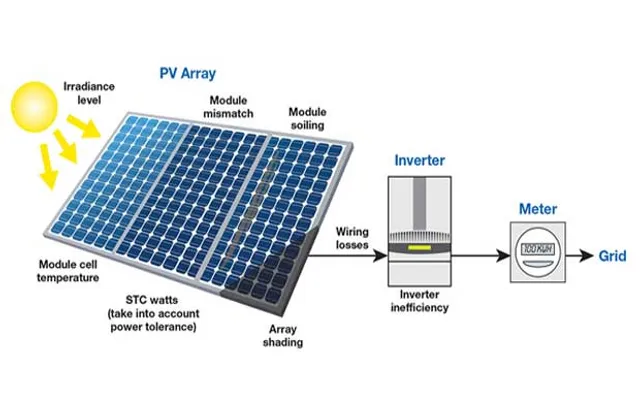
Are you curious about how much power your solar panels can really generate? Understanding this can help you harness the full potential of solar energy, reduce your electricity bills, and contribute to a greener planet.
Imagine the satisfaction of knowing exactly how much energy you’re producing and how it offsets your energy consumption. This knowledge puts you in control, empowering you to make informed decisions about your energy usage. You’ll discover a straightforward method to calculate the power generated by your solar panels.
This simple calculation can unlock significant savings and environmental benefits for you and your home. Let’s dive in and uncover the secrets to maximizing your solar power potential!
Solar Panel Basics
Solar panels come in different types. The most common are monocrystalline, polycrystalline, and thin-film. Monocrystalline panels are made from a single crystal structure. They are efficientand durable. Polycrystalline panels use multiple crystal structures. They are less efficientbut are cheaper. Thin-film panels are made by placing a layer of photovoltaic material on a surface. They are flexibleand lightweight, but have lower efficiency.
- Solar panels: Collect sunlight and convert it to electricity.
- Inverter: Changes the direct current (DC) to alternating current (AC).
- Mounting system: Holds panels in place.
- Batteries: Store energy for use when the sun isn’t shining.
- Charge controller: Protects batteries from overcharging.
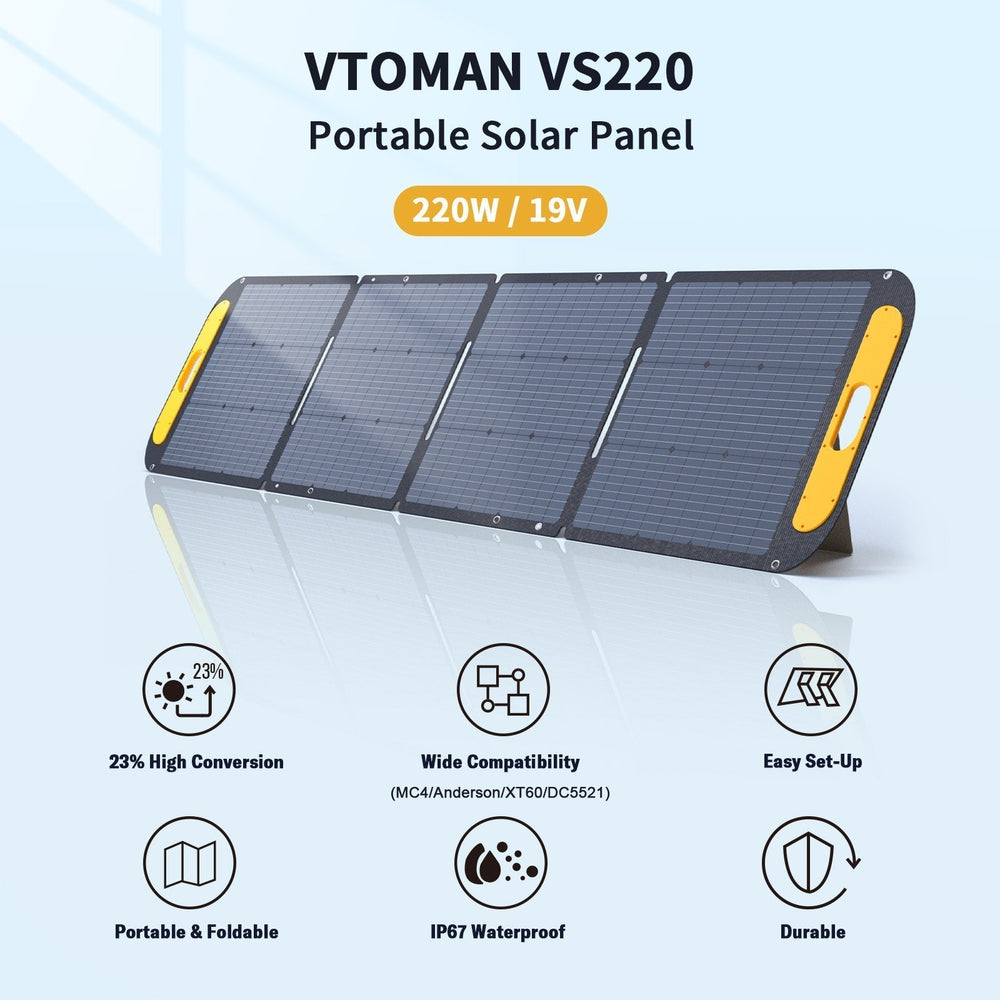
Credit: vtoman.com
Factors Influencing Solar Power Output
The sun’s brightness affects solar power. More sunlight means more power. Clouds block sunlight. This lowers power output. Sunlight hours vary by season. Longer days produce more energy. Bright sun is best for solar panels.
Solar panels need the right angle. Facing the sun is key. Panels usually point south. Tilt angle matters too. Adjust for your location. Panels capture more light when set correctly. This boosts power generation.
Heat changes panel efficiency. Hot panels work less well. Cooler panels perform better. Panels need ventilation. This helps them stay cool. High temperatures can reduce energy output. Keep panels in open spaces.
Calculating Solar Panel Efficiency
Calculating solar panel efficiency involves measuring the power output compared to the sunlight received. Check the panel’s wattage and surface area. Divide the power produced by the sunlight hitting the panel to find efficiency. This helps in evaluating the panel’s performance.
Understanding Efficiency Ratings
Solar panel efficiency tells how much sunlight turns into electricity. More efficient panels give more energy from the same sunlight. Efficiency ratings are often shown in percentages. A higher percentage means better performance. For example, a panel with 20% efficiency converts 20% of sunlight into power. Efficiency depends on the materials and design of the solar panel. Some panels use special coatings to capture more light. Temperature also affects efficiency; panels work best when cool. Understanding these ratings helps choose the best panel for your needs.Methods To Improve Efficiency
- Keep panels clean and free from dust.
- Angle panels toward the sun for best light capture.
- Use high-quality materials for better performance.
- Install panels in areas with less shade.
- Regularly check for damage or wear.
Steps To Calculate Power Output
Calculate the solar panel’s power output by multiplying its wattage by the hours of sunlight. Then, adjust for efficiency losses. This simple method helps determine the energy produced by your solar panels.
Determine Solar Panel Capacity
Find the solar panel capacity on its label. It’s measured in watts. This tells how much power it can make. A panel might show 250 watts or 300 watts. This number is important. It shows the maximum power possible.
Calculate Sun Hours
Check how many sun hours your location gets daily. Sun hours mean full sun on panels. Some places have 5 hours, others have 7. More sun hours means more power. You can find this info online for your area.
Compute Daily Energy Production
Multiply the panel capacity by sun hours. This gives daily energy production. For example, a 300-watt panel with 5 sun hours makes 1500 watts per day. This is the daily power output. Use this to plan power needs.
Tools And Resources
Tools and Resources Calculate power from solar panels using tools like solar calculators and online resources. These help estimate energy output based on panel efficiency, sunlight hours, and location.
Online Calculators
Online calculators make it easy to find solar power. They help estimate power based on sunlight. Simple inputs like location and panel size are needed. These tools give quick results. You can compare different setups easily. Most calculators are free to use. They save time and effort for users.
Software Applications
Software applications offer more detailed analysis. They simulate energy production over time. You can see how weather affects power. Some applications track panel performance. They provide insights for better efficiency. These tools are useful for serious users. They often require a download or purchase. Many have user-friendly interfaces. They help improve solar panel usage.

Credit: www.linkedin.com
Real-world Application
Calculating solar panel power involves determining the panel’s wattage and multiplying it by sunlight hours. This helps estimate energy output for various needs. Adjust for weather conditions and panel efficiency for a more precise calculation.
Case Studies
Solar panels are used worldwide. They help families and companies save money. In sunny places, panels make more power. People can sell extra power. This helps the planet. Solar panels can work for many years. They need little care. Panels can be on roofs or on the ground. Every place is different. Experts study how panels work best.
Common Mistakes To Avoid
- Choosing the wrong size panel can be costly.
- Ignoring shade can reduce power.
- Not cleaning panels can lower efficiency.
- Skipping maintenance leads to problems.
- Bad installation affects performance.

Credit: www.instagram.com
Frequently Asked Questions
How Do I Tell How Much Power My Solar Panels Are Generating?
Check your inverter’s display or monitoring app for real-time data on solar power generation. Use a solar monitoring system for detailed insights. Ensure panels are clean for optimal performance. Regular maintenance helps track accurate power output.
How To Calculate Current Produced By Solar Panels?
To calculate current from solar panels, divide the panel’s wattage by the voltage. Use the formula: Current (Amps) = Power (Watts) / Voltage (Volts). Ensure accurate measurements of voltage and panel output for precise calculations. Regular monitoring optimizes energy efficiency and maximizes solar performance.
What Is The 20% Rule For Solar Panels?
The 20% rule for solar panels refers to maintaining a 20% margin between a solar panel’s rated capacity and its actual performance, accounting for efficiency losses due to shading, temperature, and other factors. This helps ensure optimal energy output.
How To Calculate Kwh Generated By Solar Panels?
To calculate kWh generated, multiply the panel’s wattage by sunlight hours, then divide by 1000. Consider efficiency losses for accuracy. Use local solar data for precise results. This formula helps estimate energy output.
Conclusion
Calculating solar panel power is simple with the right steps. Start by understanding basic terms like watts and volts. Use the panel’s efficiency and sunlight hours for accurate results. Check the panel’s specifications for exact details. Always consider weather and location for better estimates.
Regular maintenance ensures consistent power generation. With this knowledge, you can optimize your solar energy use. Enjoy cleaner, renewable energy at home. Save on electricity and help the environment. Solar power is both practical and sustainable.