Imagine the power going out during a storm or a sudden blackout. Your home slips into darkness, and you’re left without electricity for hours or even days.
It’s a situation none of us wants to face. That’s where a standby home generator comes into play, ensuring your lights stay on and your appliances keep running when the grid fails. But how do you choose the right size generator for your home?
Picking the wrong size could leave you with insufficient power or wasted resources. You’ll discover a simple method to calculate the perfect size for your standby home generator, ensuring you’re prepared for any power outage. Stay with us as we unravel the steps to keep your home powered efficiently and effectively.
Assess Power Needs
Begin by listing all essential appliancesyou want powered during an outage. Focus on items like the refrigerator, lights, furnace, and sump pump. These are critical for comfort and safety.
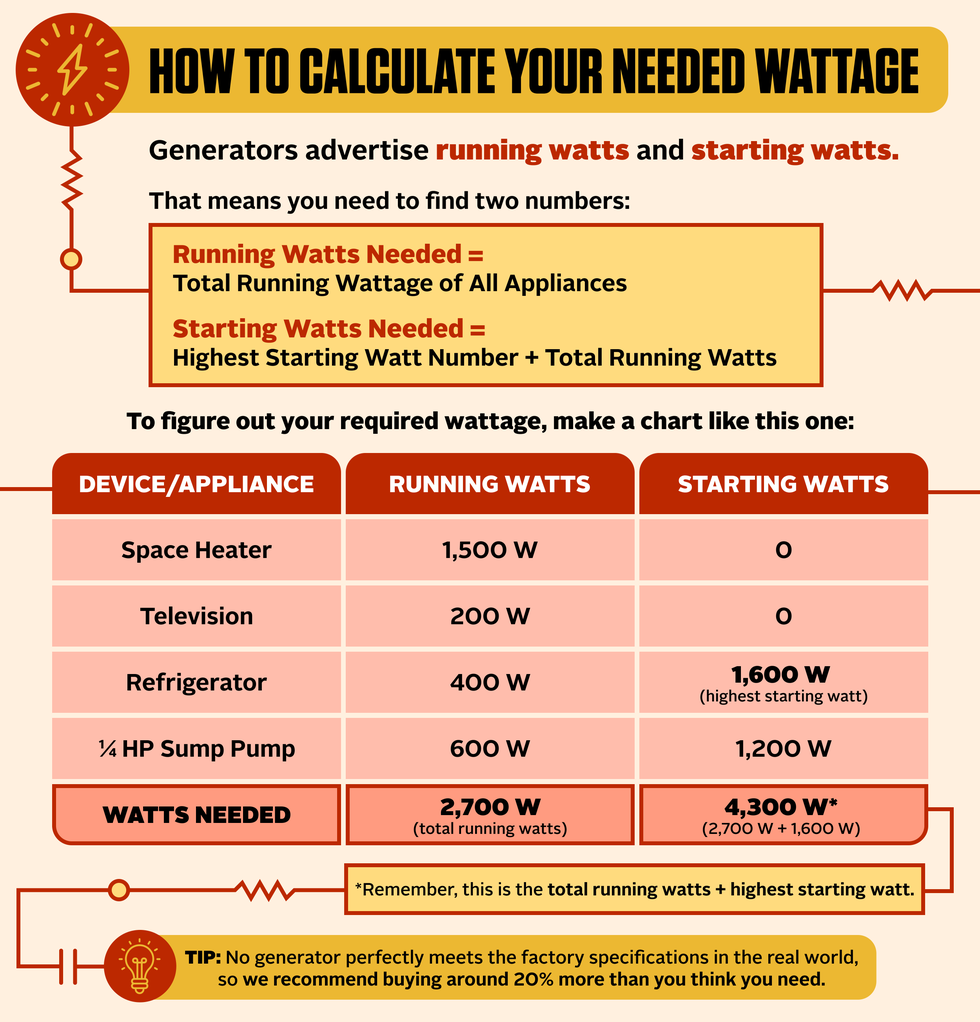
Next, calculate the total wattageof these appliances. Check the labels or manuals for their power use in watts. Add the running watts for all devices to get the total continuous power need.
Starting wattsare higher than running watts. Appliances with motors, like refrigerators and pumps, need extra power to start. Include this surge wattage to avoid overload.
| Appliance | Running Watts | Starting Watts |
|---|---|---|
| Refrigerator | 700 | 2200 |
| Furnace Fan | 600 | 1200 |
| Lights | 300 | 300 |
| Sump Pump | 900 | 1800 |
Evaluate Home Electrical System
Check the main breaker sizein your electrical panel. This shows the maximum power your home can handle. It helps to choose a generator with the right power output.
List the critical circuitsyou need during power outages. These include lights, refrigerator, heater, or medical devices. Prioritize circuits to avoid overloading the generator.
Think about future expansion. You might add new appliances or rooms later. Choose a generator that can handle more load than you need now. This saves money and hassle later.
Choose Generator Capacity
Choose a generator with the right capacityto power your home safely. Start by listing all devices and appliances you want to run during an outage. Add their wattages to find the total running wattage. Remember, some devices need extra power to start, called surge wattage. This surge can be 2-3 times the running wattage for motors and compressors.
Generators come in single-phaseand three-phasetypes. Most homes use single-phase, which is simpler and cheaper. Larger homes or buildings might need three-phase for better power balance and efficiency.
Consider the surge capacityto handle startup loads. A generator with enough surge power prevents tripping and damage. Always pick a generator with a capacity slightly higher than your total wattage needs for safety.
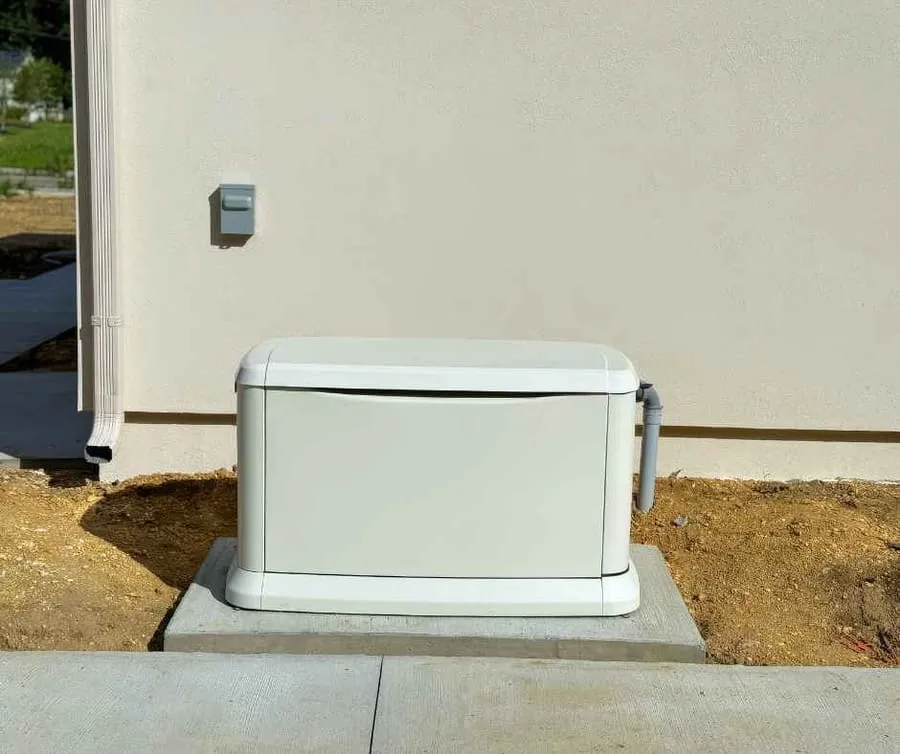
Credit: generatorstore.com
Fuel Type And Runtime
Choosing the right fuel typeaffects generator size and run time. Propane and natural gas are cleaner fuels. Diesel provides more power but can be noisy and needs more storage space.
| Fuel Type | Fuel Consumption (per hour) | Advantages | Disadvantages |
|---|---|---|---|
| Propane | 0.5 to 1.0 gallons | Clean burning, easy storage | Less energy dense than diesel |
| Natural Gas | 100 to 200 cubic feet | Continuous supply, low cost | Needs gas line connection |
| Diesel | 0.7 to 1.5 gallons | High energy, reliable | Storage issues, more emissions |
Estimate fuel use by checking the generator’s run time per fuel tank size. Plan for longer outages by storing extra fuel or choosing a fuel source with steady supply.
Installation Considerations
Choose a locationthat is dry and easy to access. Keep the generator away from windows and doors for safety.
Maintain at least 3 feet clearancearound the generator. This space helps with airflow and cooling.
- Generators produce noise. Pick a spot away from bedrooms.
- Check local rules about noise and emissions.
- Use sound barriers or enclosures to reduce noise.
Professional installation ensures correct wiringand safety checks. It reduces risk of damage.
DIY installation can save money but needs good knowledgeof electrical systems. Mistakes can be costly and dangerous.

Credit: www.lawescompany.com
Maintenance And Testing
Regular inspections keep your generator ready for power outages. Check oil levels, fuel, and battery every month. Look for leaks or loose parts. Clean the generator area to avoid dirt and dust buildup.
Load testing ensures the generator handles the power load correctly. Run the generator under full load for about 30 minutes. This confirms the generator works well with your home’s electrical needs. Monitor voltage and frequency during testing.
Service and repairs extend your generator’s life. Change oil and filters as recommended by the manufacturer. Replace worn parts quickly to avoid bigger problems. Use a professional for complex repairs and yearly maintenance.

Credit: nomicpower.com
Frequently Asked Questions
How Do I Determine My Home’s Power Needs For A Generator?
Calculate the total wattage of all essential appliances and devices. Include startup watts for motors or compressors. This gives an accurate estimate of your home’s power needs.
What Factors Affect Standby Generator Size Calculation?
Consider appliance wattage, starting surge, future expansion, and fuel type. Also, factor in the generator’s efficiency and running wattage for precise sizing.
Can I Size A Generator For Partial Home Backup?
Yes, prioritize essential circuits like heating, refrigeration, and lighting. Calculate wattage for these circuits only to choose a smaller, cost-effective generator.
Why Is Surge Wattage Important In Generator Sizing?
Surge wattage is the extra power needed at startup. Motors and compressors require higher initial watts. Ignoring surge wattage can overload your generator.
Conclusion
Choosing the right size for your standby generator matters a lot. It keeps your home powered during outages. Calculate the total power you need carefully. Consider appliances and devices you want to run. Avoid buying a generator that is too small or too large.
A proper size saves money and prevents problems. Take time to list your essential power needs. This helps you pick the best generator size for your home. Stay prepared and keep your home safe and comfortable.