Are you curious about harnessing the power of the sun to fuel your home or business? Understanding how to calculate solar energy generation is the first step towards making informed decisions about solar power installations.
Imagine cutting down on energy bills, reducing your carbon footprint, and contributing to a sustainable future—all achievable by tapping into solar energy. But how do you know how much solar energy your panels can generate? This article will guide you through the essential calculations, ensuring you can estimate your solar power potential with confidence.
Dive in to unlock the secrets of solar energy generation, and empower yourself with the knowledge to transform sunlight into savings.

Credit: www.linkedin.com
Solar Energy Basics
Solar energy comes from the sun. It is a clean energy source. It does not pollute the air or water. Solar energy is renewable. This means it won’t run out. The sun gives off light and heat. We can use solar panels to capture this energy. Solar energy can power homes, cars, and gadgets.
There are different types of solar panels. Each has its own features. Here are the main types:
- Monocrystalline Panels– Made from a single crystal. They are efficient and last long.
- Polycrystalline Panels– Made from many crystals. They are cheaper but less efficient.
- Thin-Film Panels– Lightweight and flexible. They are less efficient but good for large spaces.
Choosing the right panel depends on your needs and budget.

Credit: www.linkedin.com
Factors Affecting Solar Energy Output
Sunlightis essential for solar energy. Areas with more sunlight generate more power. Cloudy areas produce less energy. Position of the sun matters too. Panels facing the sun make more power.
Efficiency of solar panels varies. Some panels convert more sunlight to electricity. Better panels mean more energy. Choose panels with high efficiency. They are more effective. They can save more money in the long run.
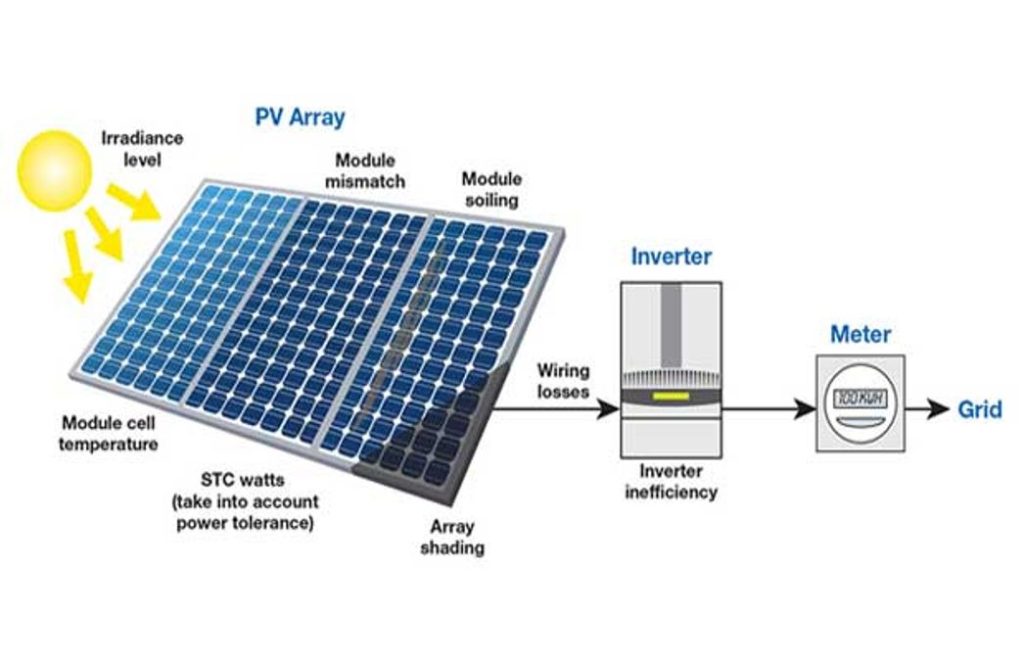
Weather affects solar energy. Rain and snow reduce sunlight. Wind can cool panels. This helps them work better. Dust and dirt can block sunlight. Regular cleaning is important. Keep panels clean for best results.
Calculating Solar Energy Generation
Wattagemeasures the power of your solar panels. It’s the energy rate per hour. To find out energy generation, use kilowatt-hours (kWh). A kilowatt-hour is 1,000 watts used in one hour. Multiply panel wattage by sunlight hours per day. Then divide by 1,000 to get kWh. For example, a 300-watt panel gets 5 hours of sunlight daily. This means 1.5 kWh of energy generated each day. Knowing this helps plan energy needs.
Solar calculators simplify energy calculations. They need your location and panel details. Enter panel wattage and sunlight hours. The calculator will show estimated energy output. It’s a quick and easy tool for beginners. It helps in planning your solar setup. Ensure input details are accurate for best results.
Tools For Accurate Calculation
Solar energy calculation needs special software tools. These tools help in getting precise results. PVWatts Calculator is a popular choice. It provides data on how much solar power you can produce. HOMER Energy is another useful tool. It helps in designing renewable energy systems. SAM (System Advisor Model) offers detailed insights. It allows you to model different types of solar systems. HelioScope combines design and performance modeling. This helps in understanding the full potential of your solar setup.
Mobile apps make solar calculations easy. Solar Tilt app helps find the best angle for panels. Sunseeker uses augmented reality to track the sun’s path. Solocator provides precise location data. This aids in positioning solar panels correctly. EasySolar App offers design and simulation tools. These help in planning solar installations effectively. Mobile apps are handy for quick checks and small tasks.
Expert Tips For Maximizing Output
Discover how to calculate solar energy generation efficiently. Understand the factors like sunlight hours and panel efficiency. These insights help optimize solar output for your needs.
Optimal Panel Placement
Solar panelsneed the right spot to work best. Place them where the sun shines the most. Avoid shady areas. Trees and buildings can block the sun. Check the roof angle. A good angle helps panels catch more sun. South-facing roofs are usually best. Adjust panels if needed. This helps them get more sunlight. Remember, more sun means more power.
Regular Maintenance Practices
Keep panels clean. Dust and dirt reduce sunlight absorption. Use water and a soft cloth. Check for damage. Broken panels don’t work well. Look for cracks or loose wires. Fix them quickly. Trim trees nearby. Branches can cast shadows. Inspect connections. Make sure all parts fit tightly. This ensures safe and efficient operation. Regular care keeps panels working longer.
Common Challenges And Solutions
Calculating solar energy generation can be tricky. Challenges include estimating sunlight hours and panel efficiency. Solutions involve using solar calculators and understanding local weather patterns.
Overcoming Shading Issues
Shading can reduce solar energy output. Use tall trees or buildings to block sun. Solar panels need sunlight to generate power. Use micro-inverters to optimize each panel’s output. Place panels in areas with less shade. Keep panels clean for better efficiency.
Dealing With Temperature Variations
High temperatures affect solar panels. Panels work best at cooler temperatures. Heat can reduce their efficiency. Use proper ventilation to cool panels. Install panels with good airflow. Check panels regularly for wear. Cooler environments help panels generate more power.
Future Trends In Solar Energy Calculation
Calculating solar energy generation involves understanding sunlight hours, panel efficiency, and system size. Future trends include AI-driven tools for precision and real-time data analysis, enhancing accuracy and efficiency in solar calculations.
Advancements In Technology
New tools help calculate solar energy better. Smart software predicts energy use. Sensors track sunlight and weather. This helps save money and energy. Solar panels are getting better. They collect more sunlight now.
Increased Efficiency
Solar panels work harder now. They turn more sunlight into energy. Better materials make panels stronger. Thin-film technology is popular. It uses less space and produces more energy. Energy storage is improving too. Batteries keep energy for cloudy days. Efficient systems help homes and businesses. Solar energy is more reliable now.

Credit: www.linkedin.com
Frequently Asked Questions
How Is Solar Generation Calculated?
Solar generation is calculated by multiplying solar panel efficiency, sunlight hours, and the panel’s surface area. This determines the energy output. Use the formula: Energy (kWh) = Sunlight Hours × Panel Efficiency × Panel Area (m²). This calculation helps estimate potential solar energy production.
What Is The 20% Rule For Solar Panels?
The 20% rule for solar panels refers to efficiency loss. Panels typically operate at 80% of their rated capacity.
How Many Kwh Will A Solar Panel Generate?
A solar panel typically generates 250 to 400 watts per hour. Annually, it can produce 300 to 500 kWh. This varies based on sunlight exposure, location, and panel efficiency. Proper installation maximizes energy output.
How Much Does A 20kw Solar System Produce Per Day?
A 20kW solar system typically produces between 70 to 90 kWh per day. Production depends on location, weather, and panel efficiency. Solar output can vary seasonally, with higher production in summer months. Regular maintenance ensures optimal performance. Always consult local solar experts for precise estimates tailored to your region.
Conclusion
Calculating solar energy generation doesn’t have to be complicated. Understanding your solar setup helps. Keep track of sunlight hours. Use tools to monitor energy output. Calculate your savings regularly. This knowledge can guide your energy decisions. Save money and reduce carbon footprint.
Solar energy is a smart choice. It’s clean and sustainable. Your efforts contribute to a greener planet. Energy independence is within reach. Start small, grow your understanding. Soon, you’ll see the benefits. Enjoy renewable energy and its advantages. Every watt counts.
Your solar journey begins now.