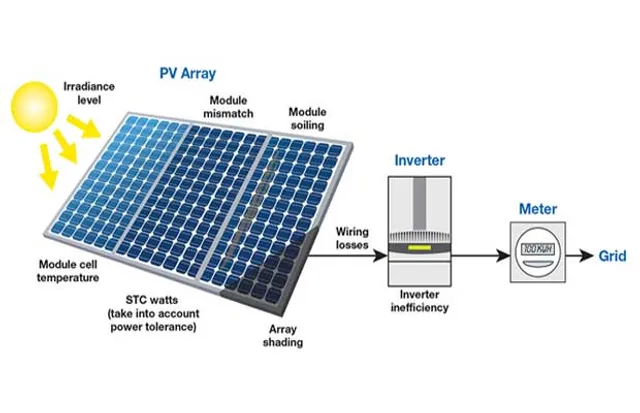
Are you curious about how much energy your solar panels can generate? Understanding solar unit generation is crucial for maximizing your investment and harnessing the sun’s power effectively.
Imagine transforming sunlight into a tangible resource, reducing your electricity bills, and contributing to a greener planet. But how do you calculate the energy output of your solar system accurately? This guide will walk you through the process, providing simple steps and insights that will empower you to make informed decisions about your solar energy usage.
Get ready to unlock the potential of your solar panels and optimize your energy generation. Dive in to discover how you can become the master of your own solar destiny!

Credit: www.linkedin.com
Basics Of Solar Energy
Calculating solar unit generation involves understanding sunlight hours and panel efficiency. Multiply sunlight duration by panel wattage. Adjust for system losses to estimate energy output.
Understanding Photovoltaic Systems
Photovoltaic systems turn sunlight into electricity. The panels use cells made from silicon. These cells absorb sunlight and make electricity. The process is called the photovoltaic effect. Sunlight hits the cells and frees electrons. This movement creates electric current. Panels are often installed on rooftops. They need direct sunlight for best performance.
Components Of Solar Units
| Component | Function |
|---|---|
| Solar Panels | Capture sunlight to produce electricity. |
| Inverter | Converts DC to AC electricity. |
| Battery | Stores electricity for later use. |
| Charge Controller | Protects battery from overcharging. |
Factors Affecting Solar Generation
Calculating solar unit generation requires knowledge of several factors. Sunlight availability, panel efficiency, and local weather conditions all play crucial roles. Understanding these elements helps estimate the energy produced by solar panels effectively.
Geographical Location
Sunlight hoursvary in different places. Near the equator, there’s more sunlight. This means more energy for solar panels. In colder areas, sunlight is less. Thus, energy production is lower. Altitude also plays a role. Higher places get more sunlight. This boosts solar generation.
Weather Conditions
Cloudy days reduce sunlight. Rain and snow can block the sun too. This lowers energy generation. Sunny days are the best for solar panels. Wind can also affect panels. Strong winds might damage them. Hence, weather is important for solar energy.
Panel Orientation And Tilt
Panels need to face the sun. This helps them catch more light. The angle or tilt matters too. A good tilt increases energy production. Different seasons need different tilts. Panels should be adjusted for best results.
Calculating Solar Output
Solar irradiance tells us how much sun hits an area. It’s measured in watts per square meter. A higher number means more sun. More sun means more power. Use a solar meter to measure. This helps know how much energy panels get. Accurate readings are key. They help calculate power output. Always check on sunny days for best results.
Solar panel efficiency shows how well panels turn sunlight into power. Most panels have 15-20% efficiency. Higher efficiency means more power. It’s like getting more juice from the same lemon. Look at the panel’s datasheet for details. Check efficiency before buying panels. This helps know how much power you can get. Better efficiency saves space and money.

Credit: solar-and-heating.ovo.com
Tools For Solar Calculation
Calculate solar unit generation by using specialized tools. These tools consider sunlight hours, panel efficiency, and location data. They help estimate energy output accurately.
Many apps help in solar calculations. PVWatts is popular for this. SolarEdge offers easy-to-use tools. Sunny Portal tracks solar data well. These apps offer user-friendly interfaces. They show data in simple graphs. You can see daily solar generation. Also, they predict future solar power. Just input location and panel size. The app does the rest. Apps are fast and convenient. They save time and reduce mistakes. Calculate solar power manually using simple steps. First, find the solar panel wattage. Next, check the peak sun hours. Multiply these two numbers. This gives you daily power. Use a calculator to help. Manual methods need more time. But they teach a lot about solar energy. Keep your calculations neat. Write each step clearly. Always double-check your answers. `Improving Solar Generation
Calculating solar unit generation involves understanding sunlight exposure and panel efficiency. Multiply sunlight hours by panel wattage for daily output. Adjust for efficiency losses to get accurate results.
Maintenance Of Solar Panels
Cleaning solar panels is very important. Dust and dirt reduce sunlight absorption. Use soft cloths and water for cleaning. Inspect panels for cracks and damage regularly. Fixing small issues prevents bigger problems. Check wiring for wear and tear. Loose connections can lower energy output. Keep trees and plants away from panels. Shadows block sunlight, reducing efficiency.
Upgrading System Components
Upgrading components boosts solar energy production. Newer inverters are more efficient. They convert energy better. Batteries store energy for longer periods. Larger batteries hold more power. Choose high-quality cables for better conductivity. This reduces energy loss. Consider adding more solar panels. More panels capture more sunlight.

Credit: www.linkedin.com
Real-world Applications
Calculating solar unit generation involves measuring sunlight, panel efficiency, and system size. Accurate calculations help optimize energy use and savings. Understanding these factors ensures efficient solar energy utilization for homes and businesses.
Residential Solar Systems
Solar panels are often installed on home rooftops. These panels collect sunlight. They turn sunlight into electricity. This helps power home appliances. Homeowners can save on electricity bills. Solar systems need sunlight to work well. Cloudy days may reduce power generation. Battery systems store extra energy. This energy can be used at night. Proper maintenance keeps systems running smoothly.
Commercial Solar Solutions
Businesses use solar panels on large roofs. They can also install them in open areas. These panels help reduce energy costs. Solar power supports sustainable business practices. Large companies often need more energy. Solar panels help meet these needs. Commercial systems are usually larger than residential ones. They provide significant energy savings. Businesses can sell extra power to the grid. This can help generate additional income.
Frequently Asked Questions
How To Calculate Units Generated By Solar Panels?
Calculate solar panel output by multiplying panel wattage by sunlight hours daily. Convert to kilowatt-hours. Adjust for efficiency.
What Is The Formula For Pv Generation?
The formula for PV generation is: Power (kW) = Solar Irradiance (kW/m²) × Panel Area (m²) × Panel Efficiency. This calculates the electricity produced by solar panels based on sunlight, panel size, and efficiency.
How To Check Solar Unit Generation?
To check solar unit generation, monitor the inverter display for real-time data. Use energy management software or apps for detailed insights. Regularly review the system’s output against expected values. Ensure solar panels are clean and receive ample sunlight for optimal performance.
What Should A 4kw Solar System Generate Per Day?
A 4kW solar system typically generates 16-20 kWh per day, depending on location and sunlight. Optimal conditions, such as clear skies and south-facing panels, increase efficiency. Ensure regular maintenance for consistent performance. Climate and season also affect energy output, so adjust expectations accordingly.
Conclusion
Calculating solar unit generation isn’t complicated. Start with basic formulas. Understand your solar panel specifications. Consider local sunlight hours. Factor in efficiency rates. Track monthly data for accuracy. Adjust calculations for seasonal changes. Learn from past performance. Regular monitoring helps optimize energy production.
Keep your system well-maintained. This ensures maximum output. A little effort goes a long way. Solar energy can be reliable. With proper calculation, it’s sustainable. You’ll be saving money and the environment. Embrace the power of the sun. Make solar generation work for you.
Simple steps lead to effective results.