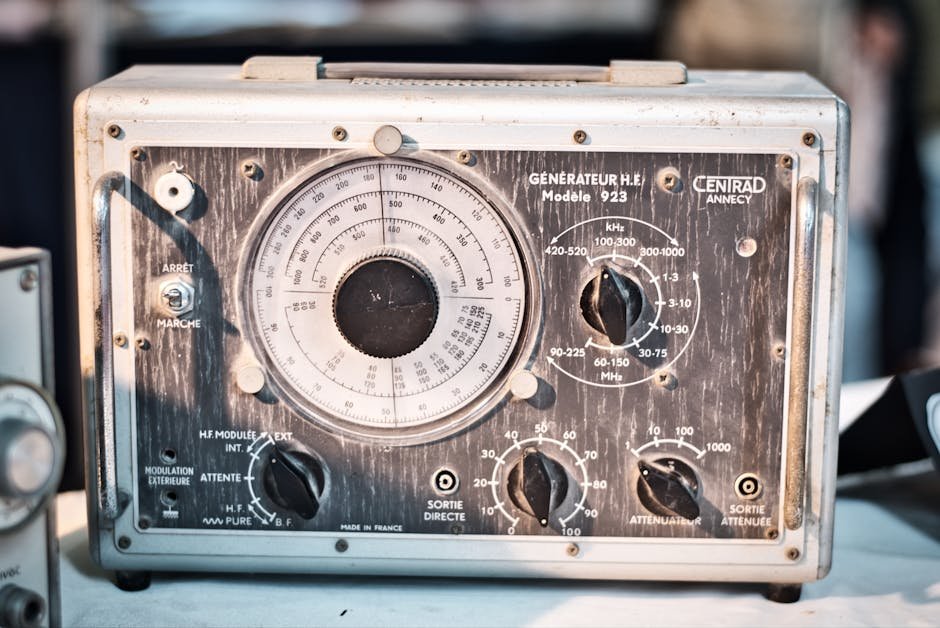
Are you facing issues with your generator’s performance? The secret might lie in a small component that often gets overlooked: the frequency sensor.
Calibrating your generator’s frequency sensor isn’t just a technical task; it’s a crucial step to ensure optimal performance and longevity. Imagine the peace of mind you’ll have knowing your generator is running smoothly and efficiently. In this guide, you’ll discover straightforward steps to calibrate the frequency sensor, saving you time, money, and potential headaches down the line.
Ready to unlock the full potential of your generator? Let’s dive in!
Tools And Equipment Needed
Calibrating a generator frequency sensor requires some essential tools and equipment. Accuracy depends on using the right items.
- Frequency meter:Measures the output frequency precisely.
- Multimeter:Checks voltage and continuity.
- Screwdrivers:For adjusting sensor screws carefully.
- Calibration manual:Provides sensor-specific instructions.
- Insulated gloves:Ensure safety while handling electrical parts.
- Wrenches:Used for tightening or loosening bolts.
- Test leads:Connect meters to the sensor for readings.
Having a clean workspace helps keep tools organized. Proper lighting improves visibility during calibration.

Credit: www.signalintegrityjournal.com
Safety Precautions
Always wear protective gearsuch as gloves and safety glasses. Ensure the generator is switched offbefore starting any work. Avoid touching live wires to prevent electric shocks. Use insulated tools to handle electrical parts safely. Keep the work area dry and cleanto avoid slipping or accidents. Never work alone; have someone nearby in case of emergencies. Follow the manufacturer’s instructions for safe operation. Double-check connections before powering on the generator. Maintain a safe distancefrom moving parts. Turn off and disconnect the generator if any problem arises during calibration. Proper ventilation is important to avoid inhaling harmful gases.
Locating The Frequency Sensor
The frequency sensoris usually near the generator control panel. It detects the generator’s operating frequency. Finding it helps with accurate calibration.
Look for a small device attached to the alternatoror near the rotor. It has wires running to the control system. The sensor might be round or rectangular.
- Check the generator’s manualfor sensor location details.
- Inspect the alternator housingcarefully for sensor mounting.
- Follow the wires from the control panel to find the sensor.
Ensure the generator is offbefore touching the sensor. This avoids any electrical hazards. Use a flashlight for better visibility in dark spots.
Preparing The Generator
Ensure the generator is switched off before starting. Safety first. Check that the area around the generator is clear and dry. This prevents accidents. Gather all necessary tools and the frequency sensor manual. Having everything ready saves time.
Disconnect any load from the generator. This avoids false readings during calibration. Inspect the sensor and wiring for visible damage. Replace any worn or broken parts before proceeding.
- Wear safety gloves and glasses for protection.
- Confirm the generator’s fuel and oil levels are adequate.
- Make sure the generator is on a stable, flat surface.
- Have a multimeter or frequency meter ready for checking readings.
Connecting Calibration Instruments
Connect the frequency sensor to the calibration device carefully. Use the correct cables to avoid errors. Make sure the power supply is off before starting. Check that all connections are tight and secure.
Set the calibration instrument to the right frequency range. This helps match the sensor’s settings. Avoid loose wires or poor contacts as they cause wrong readings.
- Use insulated tools to prevent shocks.
- Double-check the wiring diagram for correct connections.
- Keep the calibration device stable during the process.
After connecting, turn on the power supply slowly. Watch the readings on both devices. This step ensures proper communication between sensor and instrument.

Credit: lj-machine.com
Adjusting Sensor Settings
Adjust the sensor’s sensitivity to match the generator’s frequency range. Use the control panel to access sensor settings. Set the target frequency to the generator’s rated frequency, usually 50 Hz or 60 Hz. Fine-tune the sensor output by slowly adjusting the calibration dial until the reading stabilizes.
Ensure the sensor is securely mounted and free from vibrations. Check all wiring connections for tightness and proper contact. Recalibrate after any maintenance or if frequency readings seem off. Regular calibration helps maintain accurate and reliable frequency measurements.
Verifying Calibration Accuracy
To verify calibration accuracy, first check the sensor reading against a trusted frequency meter. The values should match closely, within the allowed tolerance range.
Perform tests at different load levels to ensure stable sensor output. Record the readings carefully for comparison.
| Test Condition | Sensor Reading (Hz) | Reference Meter (Hz) | Difference (Hz) | Status |
|---|---|---|---|---|
| No Load | 50.01 | 50.00 | 0.01 | Pass |
| Half Load | 49.98 | 50.00 | 0.02 | Pass |
| Full Load | 50.03 | 50.00 | 0.03 | Pass |
- Make sure the sensor is securely connected and clean.
- Repeat tests if readings vary widely.
- Adjust calibration settings if needed and retest.
Troubleshooting Common Issues
Common issueswith generator frequency sensors include inaccurate readings and sensor failure. These problems often arise from loose connections, electrical noise, or sensor misalignment.
Check all wiring and connections to ensure they are secure and free of corrosion. Use a multimeter to test sensor voltage output for irregularities. Noise can interfere with signals; try shielding cables or rerouting them away from high-power lines.
- Ensure sensor is mounted properly and aligned with the generator shaft.
- Clean sensor and surrounding area to remove dirt or metal debris.
- Verify sensor calibration settings match the generator specifications.
- Replace sensor if physical damage or internal failure is suspected.
Maintaining Sensor Performance
Maintaining the sensor’s accuracyis key for reliable generator frequency readings. Regular checks help catch drifts or faultsearly.
Keep sensor parts clean from dust and debris. This avoids signal errors. Also, inspect all wiring connections for tightness and corrosion.
Check sensor alignment to ensure it matches the generator’s rotation axis. Misalignment causes wrong frequency data.
- Use a stable reference frequency source during calibration.
- Compare sensor output with known frequency signals.
- Adjust sensor settings carefully to match the reference.
- Record calibration data for future reference.
Regular calibration every few months keeps sensor performance consistent. This prevents unexpected generator shutdowns or faults.

Credit: www.amazon.ca
Frequently Asked Questions
How Often Should I Calibrate A Generator Frequency Sensor?
Calibrate your generator frequency sensor every 6 to 12 months. Regular calibration ensures accuracy and prevents frequency drift, enhancing generator performance and safety.
What Tools Are Needed To Calibrate Frequency Sensors?
You need a frequency meter, oscilloscope, and calibration software. These tools help measure, compare, and adjust the sensor’s output accurately.
Can I Calibrate The Sensor Without Stopping The Generator?
No, always stop the generator before calibration. This ensures safety and prevents inaccurate readings during the calibration process.
What Causes Frequency Sensor Inaccuracies In Generators?
Inaccuracies arise from sensor aging, electrical noise, or mechanical wear. Regular calibration and maintenance help minimize these issues and maintain sensor reliability.
Conclusion
Calibrating a generator frequency sensor keeps your equipment running smoothly. It helps maintain stable power output and prevents damage. Regular checks ensure accurate readings and better performance. Follow the steps carefully to avoid mistakes. Proper calibration saves time and repair costs.
Stay safe by using the right tools and methods. A well-calibrated sensor supports long-term reliability. Keep your generator working at its best. Simple actions make a big difference in daily operation.