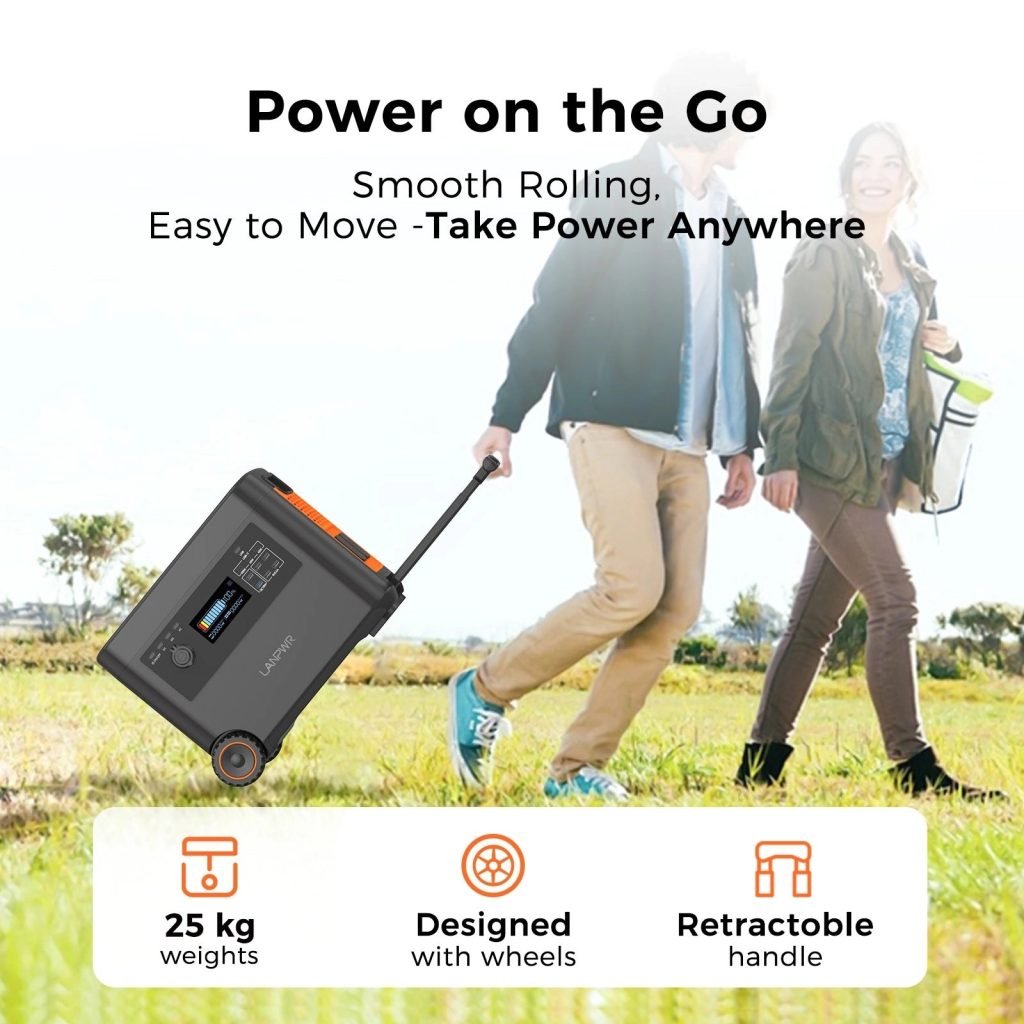
Imagine being out in the wild, surrounded by the beauty of nature, but your phone is dead, and your camera battery is about to follow suit. You need power, but how do you carry a portable power station safely?
Whether you’re heading out on a camping trip or preparing for an emergency, knowing how to transport your power source securely is crucial. You don’t want to damage it or compromise its functionality. We’ll explore practical tips and strategies to ensure your portable power station is safely packed and ready to keep your devices charged.
Get ready to empower your adventures without the stress of power mishaps. Read on to discover how you can make your journey worry-free and fully charged.
Choosing The Right Power Station
Transporting a portable power station safely involves securing it in a stable position. Use a protective case to prevent damage. Ensure ventilation by avoiding enclosed spaces, reducing heat buildup.
Capacity Considerations
Choosing the right capacity is very important. Power stations come in different sizes. Some are small, and some are big. A small power station is good for phones. A big power station can power a fridge. Check how much power you need. Look at the watt-hours (Wh). A higher number means more power. If you have many devices, you need more capacity. Think about your usage. Do you need it for home or camping?
Weight And Size Factors
Weight and size matter a lot. A portable power station should be easy to carry. Heavy stations can be hard to move. Check the weight before buying. Smaller stations are easier to handle. Look at the dimensions too. A compact size fits in small spaces. Think about where you will store it. Will it fit in your car? Choose a size that suits your needs.
Preparing For Transport
Always ensure the battery is fully chargedbefore transport. A low battery may cause issues later. Check the battery indicator to confirm. If the battery is not full, charge it. This ensures the power station works when needed.
Inspect all connections to ensure they are tight and secure. Loose connections can be dangerous. They might cause sparks or damage. Use tape or ties if needed. This keeps everything in place during travel.
Packing For Safety
Carrying a portable power station safely involves using a sturdy case to prevent damage. Ensure the power station is fully charged and securely fastened during transport to avoid accidents.
Using Protective Cases
Protective cases keep your power station safe. They shield it from damage. Cases with soft padding are best. They absorb shocks and bumps. Look for cases that are waterproof. This keeps the power station dry. Use cases with strong zippers. Strong zippers stay closed during travel.
Avoiding Sharp Objects
Keep sharp objects away from your power station. Sharp things can cause scratches or puncture. Store knives or scissors in a different bag. Wrap tools in cloth if they must be nearby. This helps avoid accidents.

Credit: www.zdnet.com
Carrying Techniques
Ensure the power station is off before moving it. Use both hands for a stable grip. Keep it close to your body to reduce strain.
Using Handles And Straps
Using handles makes carrying easy and safe. Handles should feel strong and sturdy. Straps help in carrying over long distances. They should be adjustable for comfort. Double-check the strap’s attachment to the power station. This ensures it won’t break or come loose. Always use both handles and straps together for safety.
Balancing Weight Distribution
Keep the weight balanced to avoid falling. A balanced load is easier to carry. Shift the weight evenly on both sides. This helps you walk without stumbling. Carrying an uneven load can strain your back. Take breaks if the power station feels too heavy. Resting often prevents injury and keeps you safe.
Transportation Guidelines
Ensure the portable power station is securely packed to prevent damage. Use sturdy cases or bags for protection. Keep the device away from flammable materials during transportation.
Vehicle Safety Tips
Place the portable power station in the car trunk. This keeps it secure. Use seat belts or straps to hold it tight. Avoid placing it near passengers. Ensure it’s not near flammable materials. Check the power station’s charge before traveling. Keep it away from direct sunlight.
Public Transport Advice
Always carry it in a strong bag. Ensure the bag has a handle for easy grip. Keep it close to you on buses or trains. Do not block aisles with it. Inform the conductor if it takes extra space. Avoid placing it on seats. Keep it on the floor. Check local transport rules for power stations.

Credit: www.amazon.ca
Storage Best Practices
Ensure the portable power station is cool and dry before transport. Use protective casing to avoid damage and keep it upright to prevent leaks. Secure it in your vehicle to prevent shifts during transit.
Temperature Control
Keep the power station at a steady temperature. Hot places can harm the battery. Cold areas might reduce its power. Store it in a cool, dry room. Avoid direct sunlight for long periods. Use a shade if outdoors.
Avoiding Moisture
Moisture can damage the power station. Store it in a dry spot. Keep it away from water sources. Use a cover to protect against rain. Check for leaks in the storage area. Always dry it if it gets wet.
Handling Emergencies
Carrying a portable power station safely starts with ensuring it is securely packed. Use a sturdy bag with padded compartments to protect against bumps and falls. Keep the power station upright and avoid exposing it to extreme temperatures to maintain its functionality during emergencies.
Addressing Battery Leaks
Battery leaks can be dangerous. Always wear gloves to protect your hands. Check for any strange smells or liquid around the battery. If you notice a leak, stop using the power station. Clean the area immediately with a damp cloth. Dispose of leaking batteries properly. Follow local rules for disposal.
Dealing With Overheating
Overheating might damage your portable power station. Place it in a cool and shaded area. Make sure it has space for air circulation. Check for signs of heat like unusual smells or sounds. Turn off the device if it feels too hot. Let it cool down before using it again. Safety first always.

Credit: truegear.com.au
Maintenance Tips
Securely fasten your portable power station during transport to prevent damage. Use padded bags or cases for extra protection. Keep it away from moisture and extreme temperatures for optimal performance.
Regular Inspection
Check your portable power station often. Look for any signs of damage. Make sure all cables and connectionsare secure. Listen for any unusual sounds. Always keep an eye on the battery level. A well-maintained power station lasts longer.
Cleaning Procedures
Keep your power station clean. Wipe the surface with a soft, damp cloth. Avoid using water directly on it. Clean the vents gently. This helps prevent dust buildup. Ensure all parts are dry before using. A clean device works better.
Frequently Asked Questions
Can You Lay A Power Station On Its Side?
Laying a power station on its side is not recommended. Proper function and safety require upright installation. Horizontal positioning may lead to inefficiencies and potential hazards. Always follow manufacturer guidelines for installation to ensure optimal performance and safety.
Can You Travel With A Portable Power Station?
Yes, you can travel with a portable power station. Check airline policies for battery size limits. Ensure it’s in carry-on luggage. Portable power stations are useful for camping and road trips, providing reliable power. Always follow safety guidelines when using and storing portable power devices during travel.
Are Portable Power Stations Safe Indoors?
Portable power stations are generally safe indoors if used correctly. Ensure proper ventilation and avoid overloading. Follow manufacturer guidelines and safety instructions to prevent hazards. Regularly inspect for damage or wear to maintain safety. Using models with built-in safety features can further reduce risks.
Is It Safe To Keep A Power Station In A Car?
Yes, keeping a power station in a car is safe if used properly. Ensure the power station is securely placed and not exposed to extreme temperatures. Regularly check for any damage or leaks. Follow the manufacturer’s guidelines for safe usage and storage.
Conclusion
Carrying a portable power station safely is simple with the right steps. Secure it in a sturdy bag or case. Check for leaks or damages regularly. Avoid extreme temperatures and wet conditions. Handle with care to prevent drops or impacts.
Keep cords and cables organized. Follow the manufacturer’s guidelines. Make these practices a habit. Your power station will stay safe and last longer. Share these tips with friends and family. Enjoy your adventures with reliable power anywhere. Stay prepared and informed.
Safety is key for portable power.