Changing the oil in a diesel generator might sound like a daunting task, but with the right guidance, you can do it smoothly and efficiently. Whether you’re a seasoned DIY enthusiast or a curious beginner, knowing how to maintain your generator is crucial for its longevity and performance.
Imagine the peace of mind you’ll have when your generator runs smoothly during a power outage because you’ve mastered this essential maintenance skill. You’ll discover the straightforward steps to change the oil in your diesel generator. You’ll learn about the tools you need, the signs that it’s time for an oil change, and some pro tips to keep your generator in top shape.
By the end of this guide, you’ll feel empowered to tackle this task with confidence, ensuring your generator remains reliable and efficient when you need it most. Let’s get started on making this essential maintenance task a breeze for you!
Preparation Steps
Gather necessary tools and safety equipment. Ensure the generator is off and cool before proceeding. Position a suitable container beneath the oil pan to collect old oil.
Gather Necessary Tools
- Oil filter wrench
- New oil filter
- Drain pan
- Funnel
- Rags or paper towels
- Wrench set
Ensure Safety Measures
Wear safety gloves and goggles. They protect you from oil spills. Turn off the generator. Let it cool down to avoid burns. Place the generator on a flat surface. This prevents it from tipping over. Keep a fire extinguisher nearby for safety.
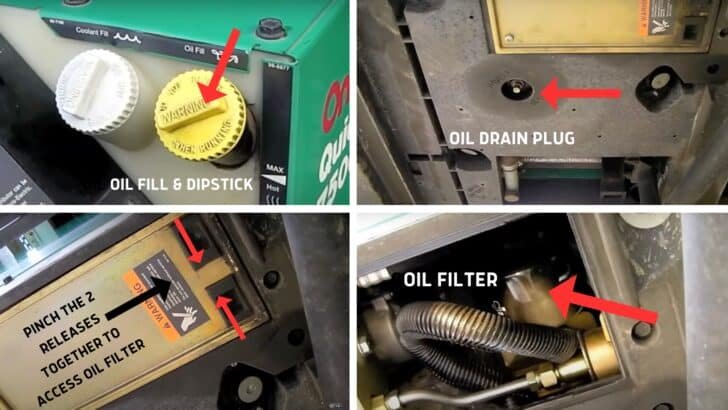
Locate Oil Drain Plug
Find the oil drain plug under the generator. It is usually at the bottom. Use a wrench to loosen it. Place a drain pan below the plug. This will catch the old oil. Make sure the plug is within reach. You will need to remove it soon.
Draining The Old Oil
Draining the old oil from a diesel generator is crucial for its maintenance. First, ensure the generator is off and cool. Then, locate the oil drain plug, remove it, and let the old oil flow into a container for disposal.
Position Drip Pan
Place a drip panunder the generator. Make sure it is large enough to catch all the oil. This prevents spills and keeps your area clean. A sturdy pan works best.
Remove Drain Plug
Locate the drain plugon the generator. Use a wrench to loosen it. Turn counterclockwise until it comes out. Be careful, oil might start flowing immediately.
Allow Oil To Drain Completely
Let the oil flow into the pan. Wait until it stops dripping. This ensures all old oil is removed. It might take a few minutes. Dispose of the oil properly.
Replacing The Oil Filter
Replacing the oil filter is crucial when changing the oil in a diesel generator. Ensure the generator is off and cooled. Carefully remove the old filter, apply oil to the new filter’s gasket, and install it securely. This step helps maintain engine health and efficiency.
Locate Oil Filter
The oil filter is near the engine. It looks like a metal can. It’s important to find it before starting.
Remove Old Filter
Turn the old filter to the left. It might be tight. Use a filter wrench if needed. Be careful, oil might spill. Have a pan ready to catch any drips.
Install New Filter
Rub a little oil on the new filter’s rubber ring. This helps it seal better. Twist the new filter to the right. Hand-tighten it until it’s snug. Do not over-tighten.

Credit: www.hudson-engineering.com
Adding New Oil
Adding new oil to a diesel generator involves removing the old oil and replacing it with fresh oil. Ensure the generator is off and cooled down before starting. Use a funnel to pour the new oil slowly, checking the dipstick for the correct level.
Choose Correct Oil Type
Select the right oil typefor your diesel generator. Check the manual for the recommended oil type. Using the wrong oil can damage the engine.
Use Funnel For Pouring
A funnel helps to pour oil without spills. Place the funnel in the oil opening. Slowly pour the oil into the engine. Check the amount poured to avoid overfilling.
Check Oil Level
After adding oil, check the oil levelwith the dipstick. Pull out the dipstick and wipe it clean. Insert it back and pull out again to check the level. The oil should be between the low and high marks. Add more oil if needed.
Final Checks
Ensure the generator is turned off and cool before checking oil levels. Verify that all screws and caps are securely tightened. Inspect for any leaks or unusual noises after changing the oil.
Inspect For Leaks
Look closely at the generator for any oil leaks. Check the oil filter and drain plug. Make sure they are tight and secure. If you see any oil, clean it up. This helps to avoid future problems. A leak-free generator runs better and lasts longer.
Start Generator
Turn on the generator. Listen for any strange noises. The engine should sound smooth and steady. If it doesn’t start, check the battery or fuel levels. A good start means everything is working right.
Monitor Oil Pressure
Watch the oil pressure gauge after starting. It should quickly reach the normal level. Low pressure can harm the engine. If it’s low, turn off the generator. Recheck the oil level and look for leaks again.

Credit: www.youtube.com
Maintenance Tips
Changing the oil in a diesel generator ensures smooth operation. First, gather necessary tools like wrenches and a new oil filter. Drain the old oil completely, replace the oil filter, and add fresh oil according to the manufacturer’s guidelines. Regular oil changes extend the generator’s lifespan.
Regular Oil Change Schedule
Changing oil on time keeps the generator healthy. Use the manufacturer’s guide to check oil change intervals. Usually, after every 500 hours, the oil should be changed. Set reminders to never miss a schedule. Fresh oil helps the engine run smoothly.
Keeping Records
Good records show when the last oil change was done. Write down the date and hour of each oil change. This helps track the generator’s maintenance. Use a simple notebook or computer file. Regular records help spot problems early.
Signs Of Oil Trouble
- Dark, dirty oil means trouble.
- Strange smells or noises need checking.
- Low oil levels can harm the engine.
- Overheating shows oil might be bad.
Always be alert to these signs. They help keep the generator safe.

Credit: www.chinadieselgen.com
Frequently Asked Questions
How Often Should You Change The Oil In A Diesel Generator?
Change the oil in a diesel generator every 250 to 500 operating hours. Regular maintenance ensures optimal performance. Always follow the manufacturer’s recommendations for specific intervals. Check oil levels and quality frequently. Regular oil changes prevent engine damage and extend generator lifespan.
Keep maintenance records to track oil changes accurately.
How To Change Diesel Generator Oil?
To change diesel generator oil, first turn off the generator and let it cool. Place a pan under the drain plug. Remove the plug to drain old oil. Replace the plug and refill with new oil using a funnel. Check the oil level with the dipstick.
Dispose of old oil responsibly.
How Do You Drain The Oil From A Generator?
Turn off the generator and let it cool. Place a pan under the oil drain plug. Unscrew the drain plug and let the oil flow into the pan. Once drained, replace the plug securely. Dispose of the old oil responsibly.
What Kind Of Oil Does A Diesel Generator Take?
Diesel generators typically use 15W-40 or 10W-30 engine oil. Check the generator’s manual for specific oil recommendations. Regular maintenance ensures optimal performance and longevity. Always use high-quality oil designed for diesel engines to prevent wear and improve efficiency.
Conclusion
Changing the oil in a diesel generator is simple with practice. Regular maintenance ensures your generator runs smoothly. Follow the steps provided for a hassle-free process. Always use quality oil for the best performance. Remember to dispose of old oil responsibly.
This task saves you money and prolongs your generator’s life. Keep your tools handy for future changes. Regular checks can prevent bigger issues down the line. Proper care means reliable power when you need it most. Happy maintenance!