
Imagine this: you’re on an exciting adventure or working remotely where traditional power outlets are nowhere to be found. Your portable power station is your lifeline, keeping your devices charged and your gadgets powered up.
But what happens when it runs out of juice? Panic might set in, but don’t worry! Knowing how to charge a portable power station efficiently can save you from the frustration of a powerless situation. In this guide, you’ll discover simple, step-by-step instructions to ensure your power station is always ready to meet your energy needs.
Whether you’re a seasoned explorer or a casual user, understanding the nuances of charging your device can make all the difference in your experience. Ready to unlock the secrets and keep your adventures powered up? Dive into the article and equip yourself with the know-how to stay connected, no matter where life takes you.
Credit: ca.jackery.com
Choosing The Right Charger
Voltage and amperage are important for charging. Voltage is the energy’s push. Amperage is how much energy flows. Check your power station’s voltage. Use a charger with the same voltage. This keeps your device safe. For amperage, more is better. A higher amp charger charges faster. But it should not exceed the device’s limit.
Not all chargers fit all power stations. Check the charger’s plug type. It must match the power station’s port. Read the power station’s manual. It lists compatible chargers. Use only recommended chargers. This prevents damage. Some power stations use solar chargers. Make sure they are compatible too. Always double-check before buying a new charger.
Solar Charging Options
Harness the sun’s energy by connecting your portable power station to solar panels. Ensure optimal sunlight exposure for efficient charging. Adjust panel angles and check connections regularly for best results.
Selecting Solar Panels
Choose solar panels that match your power station’s needs. Check the wattageand compatibility. Make sure the connectors fit well. Portable panels are easy to move and set up. Look for panels with a high energy conversion rate. This means they make more power from the sun.
Optimal Sunlight Conditions
Place the panels in direct sunlight. Avoid shadows and obstructions. Panels work best between 10 AM and 4 PM. Tilt them towards the sun for better efficiency. Clean the panels to keep them working well. Dust and dirt block sunlight. Sunny days charge faster than cloudy ones. Be patient when the sun is weak.
Wall Outlet Charging
Charging a portable power station using a standard outletis simple. It takes more time, often hours, to fully charge. Fast charginguses special outlets or adapters. These charge the station quickly. Choose based on your needs. Fast charging is great for quick energy boosts. Standard outlets are fine for overnight charging.
Safety is very important when charging. Always check if the outlet is safe. Avoid using damaged wires or adapters. Keep the area dry and clean. Never charge near water. Monitor the charging process regularly. Unplug once fully charged to prevent overheating.

Credit: lanpwr.com
Car Charging Techniques
Plug the car charger into the car’s cigarette lighter. Connect the other end to the portable power station. Make sure the car is running to avoid draining the car battery. Charging while driving is a good idea. It helps in maintaining the car battery’s health. Monitor the power station’s charge level. This ensures it is charging properly. Always use the charger that came with the power station.
Charge the power station regularly to keep it healthy. Do not let the battery fully deplete. Always store the power station in a cool place. Avoid exposing it to extreme heat or cold. Check the battery status frequently. This helps in maintaining its longevity. Unplug the charger when the battery is full. Overcharging can harm the battery’s life. Follow these tips for a long-lasting battery.
Portable Generator Charging
Charging a portable power station involves connecting it to a wall outlet or a compatible solar panel. Many models support car charging, making it convenient for on-the-go power needs. Always use the recommended cables and adapters for safe and efficient charging.
Choosing A Compatible Generator
Finding the right generator is important. Generators must match power station needs. Check the voltage and wattage requirements. Some generators are too strong or too weak. This can harm the power station. Always read the manual and specs first. Portable power stations need steady power. Overloading can damage the station. Choose wisely.
Efficiency And Fuel Considerations
Generators need fuel to work. Fuel efficiency matters a lot. Some generators use less fuel. This saves money and is good for the earth. Check fuel type before buying. Some use gasoline, others use diesel. Gasoline is common but not always best. Efficiency helps your power station run longer. Make sure to pick a generator that uses fuel wisely.
Monitoring Charge Levels
Monitoring charge levels is crucial for effectively powering portable stations. Connect the power station to an appropriate outlet, ensuring compatibility and safety. Regularly check the charge indicators to maintain optimal energy levels for uninterrupted use.
Using Built-in Indicators
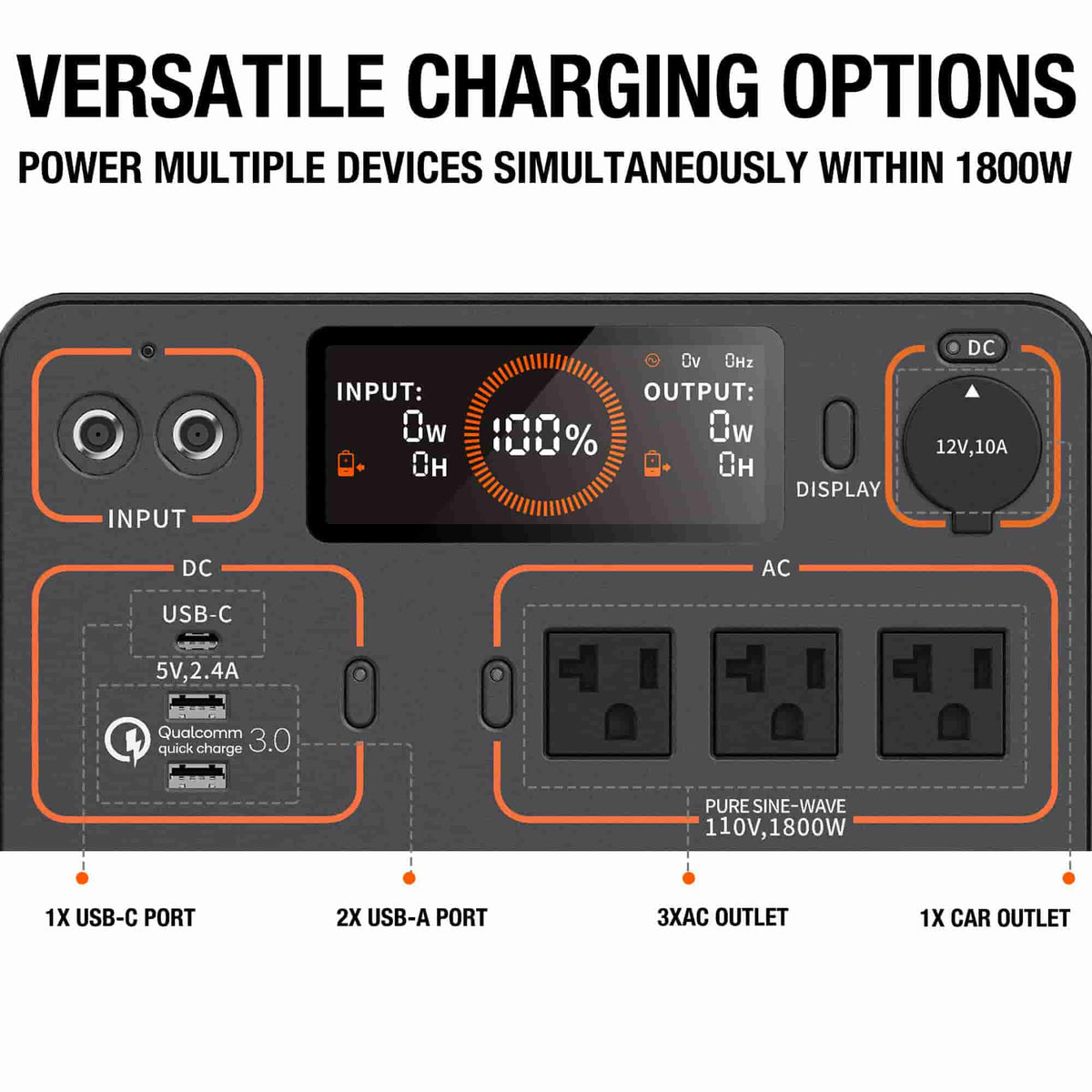
Many portable power stations have built-in indicators. These indicators show how much charge is left. Look for the LED lights or digital screen. They often display battery levels. Some screens show a percentage. Others use bars or dots. Pay attention to these signals. They help you know when to recharge. A blinking light might mean it’s running low. Always keep an eye on these indicators. They guide you to maintain good power levels.
Tracking Charge Cycles
Charge cycles are important to monitor. They tell how many times you charged the battery. One cycle means a full charge from zero to 100%. Keeping track of cycles helps extend battery life. Write down each charge cycle. This helps you know the battery’s health. Some devices may count cycles for you. Check the manual for cycle tracking options. Understanding cycles helps maintain better battery health.
Extending Battery Life
Avoid keeping the power station plugged in too long. Overcharging can harm the battery. Unplug it once it’s fully charged. This helps maintain the battery’s health. Always monitor the charging process closely. Use a timer if needed to remind you.
Keep the power station in a cool place. Heat can damage the battery. Avoid using it in very hot or cold areas. Extreme temperatures can shorten battery life. A cool, dry place is best for storage. Ensure good airflow around the device. This helps prevent overheating.

Credit: truegear.com.au
Frequently Asked Questions
How Do You Charge A Portable Power Station?
Charge a portable power station using a wall outlet, solar panels, or a car charger. Connect the power station to the energy source with the appropriate cable. Ensure the connection is secure and let it charge until full. Always follow the manufacturer’s guidelines for optimal charging.
How Do I Charge My Portable Power Bank?
Plug your power bank into a wall charger using a compatible cable. Ensure the charger and cable match the power bank’s specifications. Charging typically takes a few hours. Check the indicator lights to monitor progress. Disconnect once fully charged to prevent overcharging and maintain battery health.
How To Know If The Portable Power Station Is Fully Charged?
Check the power station’s display for a fully charged indicator, typically a green light or 100% symbol. Consult the user manual for specific indicators. Avoid overcharging by unplugging once fully charged. Regularly monitor charging progress for optimal battery health and efficiency.
Do Portable Power Stations Need To Be Charged?
Yes, portable power stations need charging to function. Plug them into a wall outlet or use solar panels. Regular charging ensures they provide reliable power for devices. Check the manufacturer’s instructions for optimal charging methods and times. Keep them charged for emergencies or outdoor activities.
Conclusion
Charging a portable power station is simple and straightforward. Start by selecting the right power source. Ensure compatibility with your power station. Use the correct cables for efficient charging. Monitor the charging process to avoid overcharging. Proper care extends the lifespan of your device.
Keep your power station ready for emergencies. Practice these steps regularly for the best results. An understanding of basic principles ensures safe charging. With this knowledge, your power station remains reliable. Stay prepared and powered up with ease.