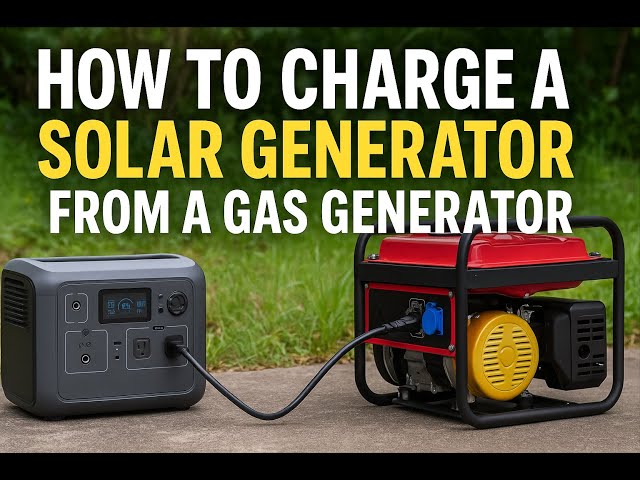
Imagine being able to harness the power of the sun to keep your solar generator charged and ready for anything. Whether you’re preparing for a camping adventure or want a reliable backup power source at home, knowing how to charge your solar generator with a solar panel can be a game-changer.
Picture this: no more worrying about running out of power or being caught in an emergency without electricity. You have the control, the freedom, and the peace of mind right at your fingertips. In this guide, you’ll discover simple steps and insider tips that make charging your solar generator with solar panels easy and effective.
Stay tuned to learn how you can maximize your energy independence and keep your devices powered up, no matter where you are. Your adventure into solar energy begins now!
Basics Of Solar Generators
Solar generators are a clean energy option. They convert sunlight into electricity. They are helpful during power cuts. Solar generators have three main components. These are solar panels, batteries, and inverters.
- Solar Panels:They capture sunlight and turn it into power.
- Batteries:They store the power for later use.
- Inverters:They change solar power into usable electricity.
Solar generators are eco-friendly. They do not produce harmful gases. They are quiet and do not make much noise. They help save on electricity bills. They provide power during emergencies. They are easy to carry and move. They are perfect for camping and outdoor activities.
Choosing The Right Solar Panel
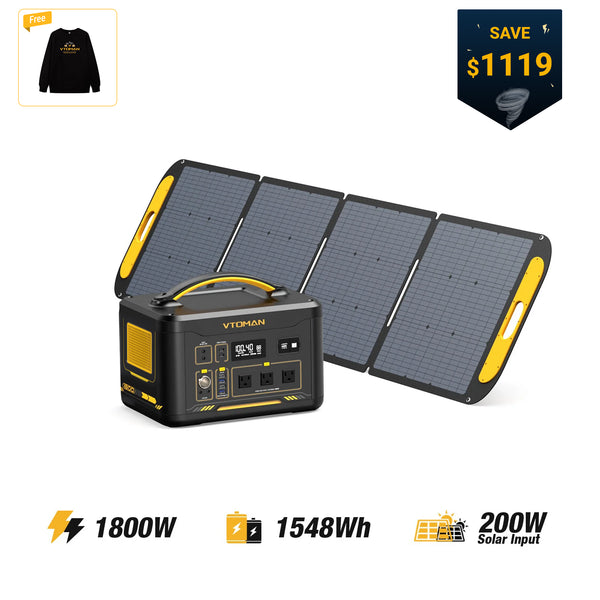
Selecting the appropriate solar panel is essential for efficiently charging a solar generator. Consider the panel’s wattage and compatibility with the generator to ensure optimal performance. Understanding these factors will help harness solar energy effectively.
Types Of Solar Panels
Solar panels come in different types. The most common are monocrystalline, polycrystalline, and thin-film. Monocrystalline panels are made from a single crystal, and they are efficient. Polycrystalline panels are made from many crystals and are less costly. Thin-film panels are light and flexible but less efficient.
Factors To Consider
Several factors matter when choosing a solar panel. Efficiencyis important. Higher efficiency means more power from sunlight. Consider the cost. Some panels are cheaper but may not work as well. Check the sizeand weight. Make sure it fits your needs. Look at warranty. A good warranty means better support if things go wrong.
Setting Up Your Solar Panel
Setting up your solar panel to charge a solar generator involves connecting the panel to the generator’s input. Ensure the solar panel is placed in direct sunlight for optimal energy absorption. Regularly check connections to maintain efficient charging.
Optimal Placement
Place your solar panel in a sunny spot. Make sure there are no shadows. Shadows can stop the panel from working well. Tilt the panel towards the sun. This helps it catch more sunlight. Keep the panel clean. Dirt can block sunlight.
Check the panel often. Make sure it faces the sun all day. Move it if needed. This helps it make the most power.
Safety Precautions
Always handle the panel carefully. It can be fragileand break. Wear gloves to protect your hands. Do not touch the wires with wet hands. Keep the panel dry and clean. Wet panels can be slippery.
Read the instructions before using the panel. This helps you stay safe. Check for any damage before setting up. Replace if something is broken.
Credit: vtoman.com
Connecting Solar Panel To Generator
Charging a solar generator with a solar panel involves connecting the panel’s output to the generator’s input. Ensure the panel receives direct sunlight for optimal charging efficiency. Regularly check the connections and panel angle to maintain effective power generation.
Required Equipment
- Solar Panel– Collects sunlight.
- Solar Generator– Stores energy.
- Cables– Connects panel to generator.
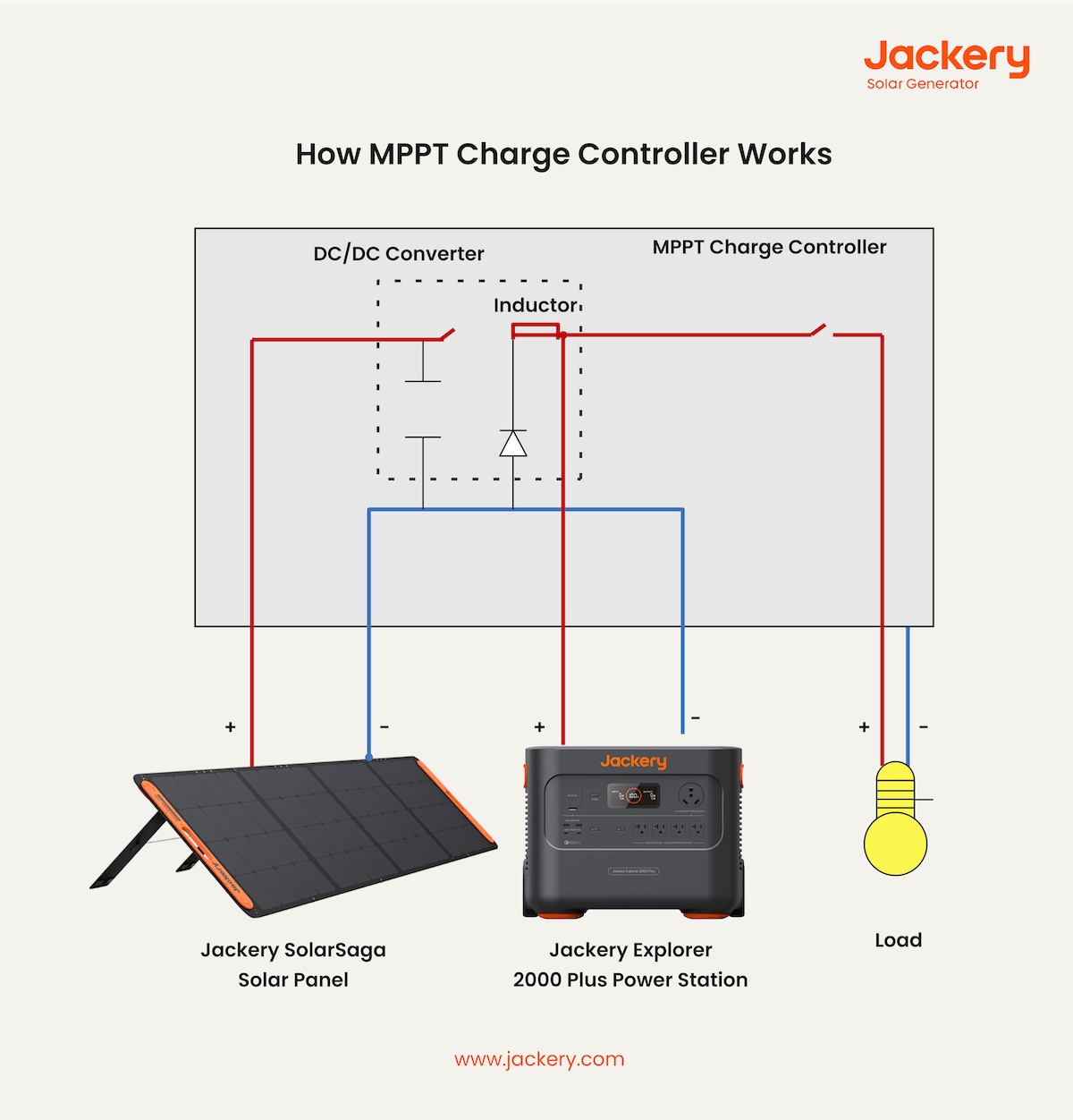
- Charge Controller– Protects battery from overcharging.
Step-by-step Connection Process
Place the solar panel under sunlight. Make sure it’s facing the sun. Use cables to connect the panel to the charge controller. Connect the charge controller to the generator. Check if power is flowing from panel to generator. Ensure all connections are secure and tight. Monitor charging status on the generator screen. Adjust panel position for better sunlight capture.
Maximizing Efficiency
Charging a solar generator with a solar panel efficiently requires optimal sunlight exposure. Connect the solar panel to the generator using appropriate cables. Ensure the solar panel is angled towards the sun for maximum energy absorption.
Monitoring Charge Levels
Keep an eye on the generator’s charge levels. This helps in avoiding overcharging. Overcharging can damage the battery. Use a charge controller for accurate monitoring. It helps in regulating the charging process. This ensures your battery stays healthy. Regular checks can extend the battery life. Remember, a healthy battery stores more energy.
Adjusting For Weather Conditions
Weather affects solar charging efficiency. On sunny days, solar panels work best. Cloudy days reduce the charging speed. Angle the panels towards the sun for better efficiency. Adjust the panels as the sun moves. This helps in capturing more sunlight. Keep the panels clean from dust and debris. A clean panel absorbs more sunlight. This boosts charging efficiency.
Credit: www.jackery.com
Troubleshooting Common Issues
Check all wires and cables. Make sure they are not loose. Look for any broken parts. Broken parts can stop the power flow. Ensure the connectors are clean. Dirt can block the connection. Use a dry cloth to clean them. Check if the solar panel faces the sun. It needs sunlight to work. Always use the right cables. Wrong cables can cause problems.
Measure the power from the solar panel. Compare it with the expected output. Ensure the solar panel is in the sun. Shadows can reduce power. Check for any damage on the panel. Damage can lower power output. Keep the panel clean for best results. Dust can block sunlight. Use a soft brush to clean it. If issues persist, consult a professional.

Credit: www.ebay.com
Frequently Asked Questions
How To Charge A Solar Generator Using A Solar Panel?
Connect the solar panel to the solar generator using a compatible cable. Position the panel towards direct sunlight. Ensure the panel’s wattage matches the generator’s input requirements. Monitor the charging progress on the generator’s display. Disconnect once fully charged to prevent overcharging.
Can You Power A Generator With Solar Panels?
Yes, solar panels can power a generator. Connect solar panels to an inverter, then to the generator. Ensure compatibility between solar panels and the generator. Solar generators store energy from panels, providing eco-friendly power. They offer a sustainable solution for off-grid or emergency power needs.
How Long Does It Take Solar Panels To Charge A Generator?
Charging time depends on solar panel efficiency, sunlight availability, and generator capacity. Typically, it takes 5-8 hours for a full charge. Adjusting for weather conditions and panel wattage is crucial. Ensure proper alignment and maintenance for optimal performance. Always consult the manufacturer’s guidelines for accurate charging times.
Does A Solar Generator Need A Charge Controller?
Yes, most solar generators need a charge controller. It regulates voltage and current, preventing battery overcharging. A charge controller ensures optimal battery performance and longevity. Not all models require one, so check specifications for your solar generator. Efficient energy management depends on the right charge controller.
Conclusion
Charging a solar generator with a solar panel is simple. Follow the steps outlined above for success. Connect the solar panel to your generator directly. Ensure the solar panel is in direct sunlight for efficiency. Check connections regularly for safety.
Monitor your generator’s charge level. Keep your solar panel clean for optimal performance. This setup is eco-friendly and cost-effective. Enjoy reliable energy without increasing your electricity bill. With practice, the process becomes easier. Embrace solar power to meet your energy needs.
It’s a sustainable choice for a brighter future.