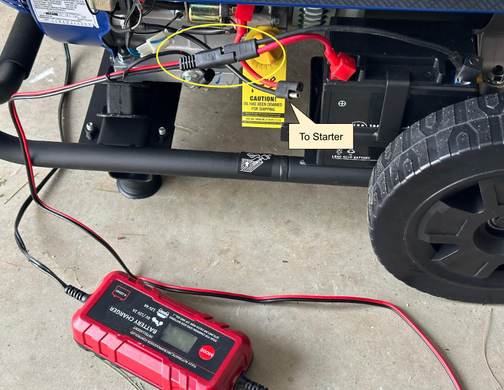
Ever found yourself in a situation where your generator’s battery just won’t start, and you’re left in the dark? It’s frustrating, right?
But what if you could use your car’s alternator to charge that stubborn battery? You’ll discover how to do just that, using a simple method that could save you both time and stress. Imagine never having to worry about a dead generator battery again.
You’ll learn the step-by-step process to get your generator up and running, keeping your home or campsite powered when you need it most. So, are you ready to take control and ensure your generator is always ready to go? Read on to uncover the secrets of charging a generator battery with an alternator, and say goodbye to unexpected power outages!

Credit: www.reddit.com
Generator Battery Basics
Generator batteriesstore energy to start the generator and keep it running. They come in various types, each with a specific use and care needs.
- Lead-acid batteries:Most common and affordable. Require regular maintenance.
- Absorbent Glass Mat (AGM) batteries:Sealed and maintenance-free. Resist vibration well.
- Gel batteries:Use gel electrolyte. Good for deep cycles and harsh conditions.
Key battery componentsinclude the plates, electrolyte, and terminals. Plates store electrical energy, while electrolyte helps chemical reactions. Terminals connect the battery to the generator and alternator.
Common battery issuesare sulfation, corrosion, and low electrolyte levels. Sulfation reduces battery life by blocking chemical reactions. Corrosion on terminals can stop charging. Low electrolyte means the battery can’t hold a full charge.
Credit: www.homemade-circuits.com
Role Of Alternator In Charging
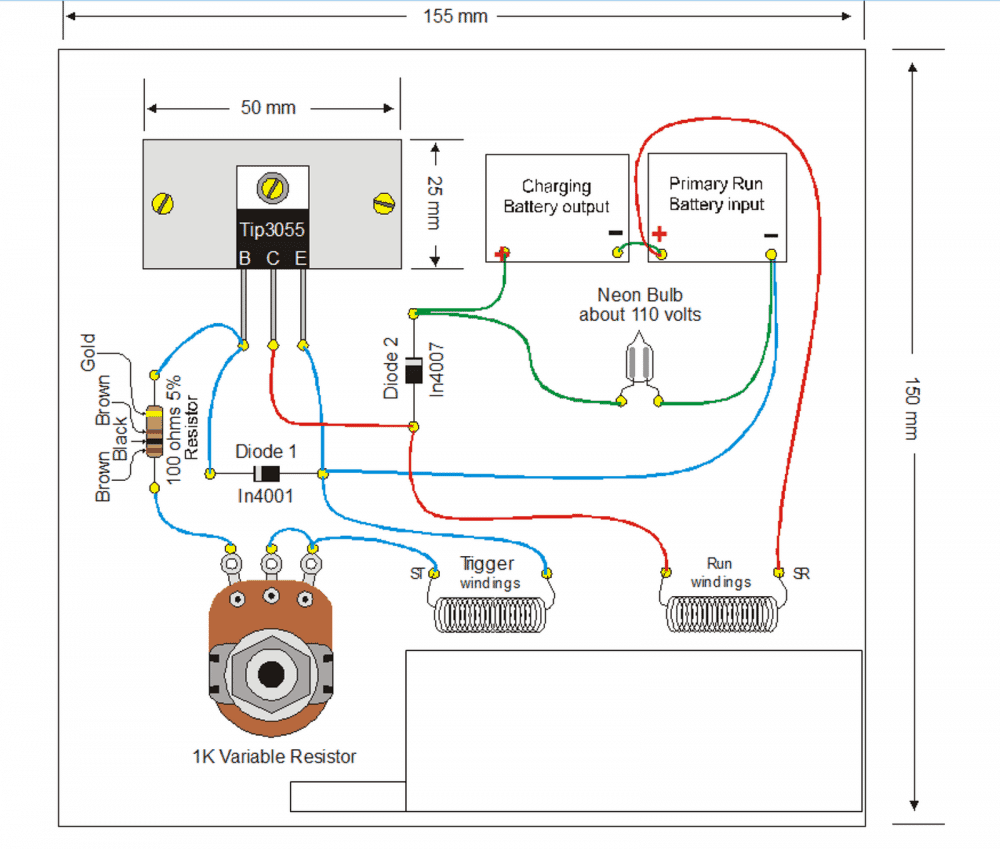
An alternator charges a generator battery by converting mechanical energy into electrical energy. It sends power to the battery, keeping it full and ready to use. This process ensures the generator starts smoothly and runs efficiently.
How Alternators Work
An alternatorchanges mechanical energy into electrical energy. It spins inside the engine to make electricity. This electricity charges the batteryand powers the vehicle’s electrical parts. The alternator keeps the battery full while the engine runs. It helps the battery last longer and work better.
Alternator Vs. Battery Charger
| Feature | Alternator | Battery Charger |
|---|---|---|
| Power Source | Engine | Electric outlet |
| Charging Speed | Moderate, while engine runs | Slow to fast, depending on charger |
| Use | Charges battery during driving | Charges battery when off the vehicle |
| Portability | Built into vehicle | Portable device |
Benefits Of Using An Alternator
- Continuous chargingwhile the engine runs.
- No needto plug into power outlets.
- Keeps battery healthyand full.
- Supports vehicle electronicswithout battery drain.
- Simple and automaticoperation.
Preparing For Charging
Safety first.Wear gloves and eye protection. Avoid sparks or flames near the battery. Work in a well-ventilated area to prevent gas buildup.
Tools and materials needed:
- Wrenches or socket set
- Battery charger or jumper cables
- Multimeter to check voltage
- Protective gloves and glasses
- Cleaning brush for terminals
Check the battery for cracks, leaks, or corrosion. Clean terminals if dirty. Ensure the alternator belt is tight and in good shape. Use a multimeter to test battery voltage; it should be around 12.6 volts when fully charged.
Step-by-step Charging Process
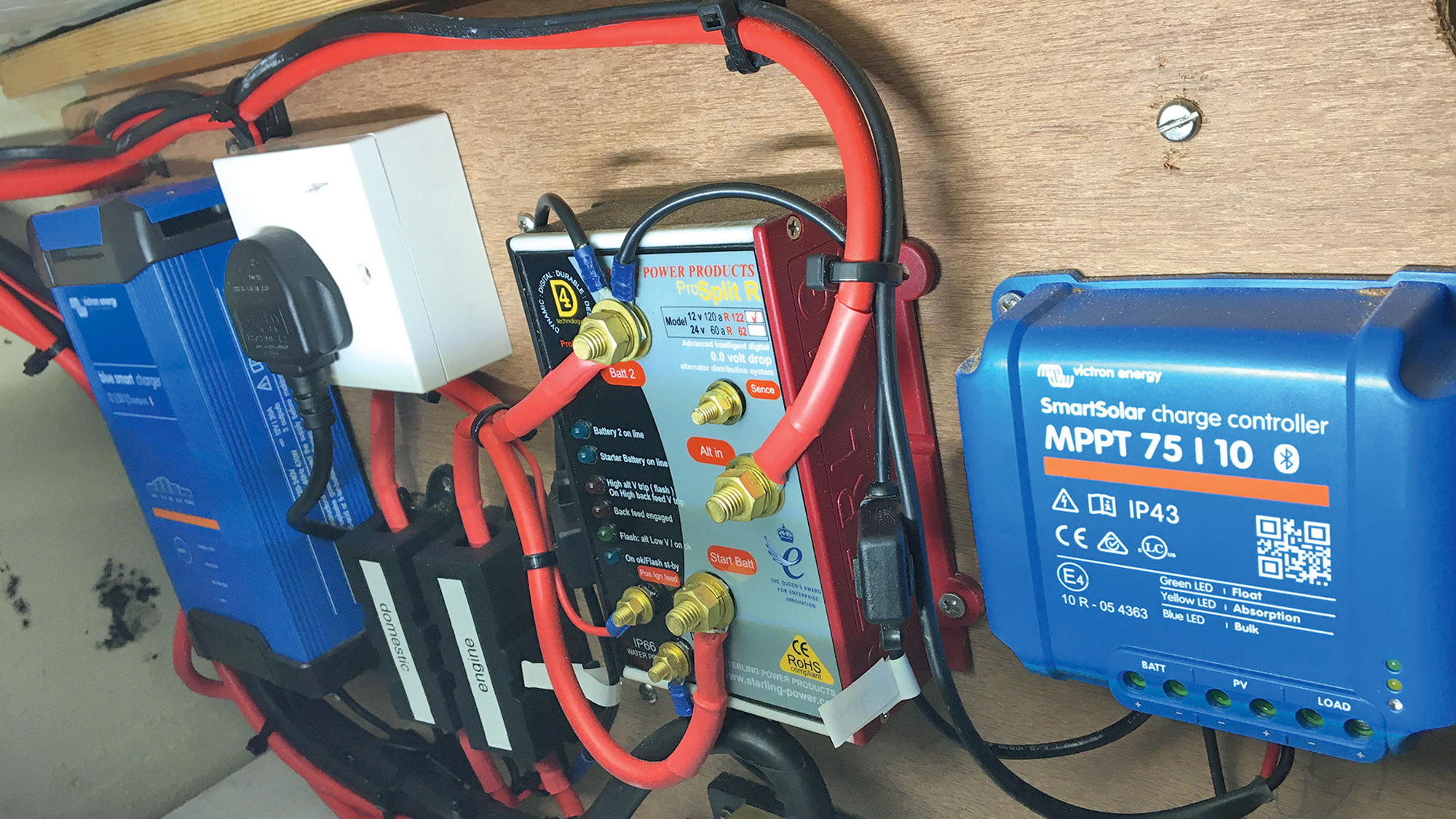
Connect the positive terminalof the alternator to the battery’s positive post. Attach the negative terminalto the battery’s negative post or a good ground point. Ensure all connections are tight and secure.
Start the engine gently. Keep it running at a low idle speed. This allows the alternator to begin charging the battery.
Watch the battery voltage using a voltmeter. It should read between 13.8V and 14.4Vwhile charging. Check for any unusual sounds or smellsfrom the alternator or battery.
- Turn off the engine before disconnecting.
- Remove the negative cable first to avoid sparks.
- Then disconnect the positive cable carefully.
- Store cables safely to prevent damage.
Troubleshooting Charging Issues
No charging detectedmay happen due to loose or corroded connections. Check battery terminals and alternator wires for tightness and cleanliness. A faulty alternator belt can also stop charging. Ensure the belt is not broken or slipping. Measuring voltage at the battery can help confirm charging status.
Overcharging problemscan damage the battery quickly. They often result from a bad voltage regulator inside the alternator. Signs include battery swelling or leaking acid. Use a voltmeter to check if voltage exceeds 14.5 volts while running.
| Possible Fault | Cause | Check | Solution |
|---|---|---|---|
| Alternator Fault | Worn brushes or bad diodes | Test alternator output | Repair or replace alternator |
| Battery Fault | Old or damaged battery | Measure battery voltage and load test | Replace battery if needed |
| Loose Connections | Corrosion or loose clamps | Inspect terminals and cables | Clean and tighten connections |
Credit: www.pbo.co.uk
Maintenance Tips For Battery And Alternator
Regular checks help keep the batteryand alternatorworking well. Look for any corrosionor loose wires on the battery terminals. Check the alternator belt for cracks or wear. Tighten or replace parts if needed.
Cleaning the connections improves power flow. Use a wire brush or sandpaper to remove dirt and rust. Make sure to disconnect the battery before cleaning. Clean, tight connections help the battery charge faster.
Proper storage extends battery life. Keep the battery in a cool, dry place. Avoid freezing or very hot areas. Charge the battery fully before storage and check it every few weeks. This keeps the battery ready to use.
Frequently Asked Questions
How Does An Alternator Charge A Generator Battery?
An alternator converts mechanical energy into electrical energy. It supplies power to charge the generator battery while the engine runs. This keeps the battery charged and ready to start the generator. Proper connections ensure efficient charging and battery health.
Can I Charge A Generator Battery With A Car Alternator?
Yes, you can charge a generator battery using a car alternator. Ensure correct voltage compatibility and use a voltage regulator. Proper wiring and safety precautions prevent damage. This method is effective for maintaining or quickly charging the battery.
What Is The Best Way To Connect Alternator To Battery?
Connect the alternator’s positive terminal to the battery’s positive terminal. Attach the negative terminals to a common ground. Use appropriate gauge wires and secure connections. This setup ensures optimal charging and prevents voltage drops or electrical faults.
How Long Does It Take To Charge A Generator Battery?
Charging time depends on battery capacity and alternator output. Typically, it takes 1 to 3 hours for a full charge. Monitor the battery voltage to avoid overcharging. Using a voltage regulator helps maintain safe charging levels.
Conclusion
Charging a generator battery with an alternator is simple and effective. Connect the cables correctly to avoid damage. Keep the engine running while charging for best results. Regular checks help maintain battery health and performance. This method saves time and money on extra chargers.
Always follow safety rules to protect yourself and your equipment. With care, your generator battery will stay ready when needed. Try it yourself and see how easy it can be.