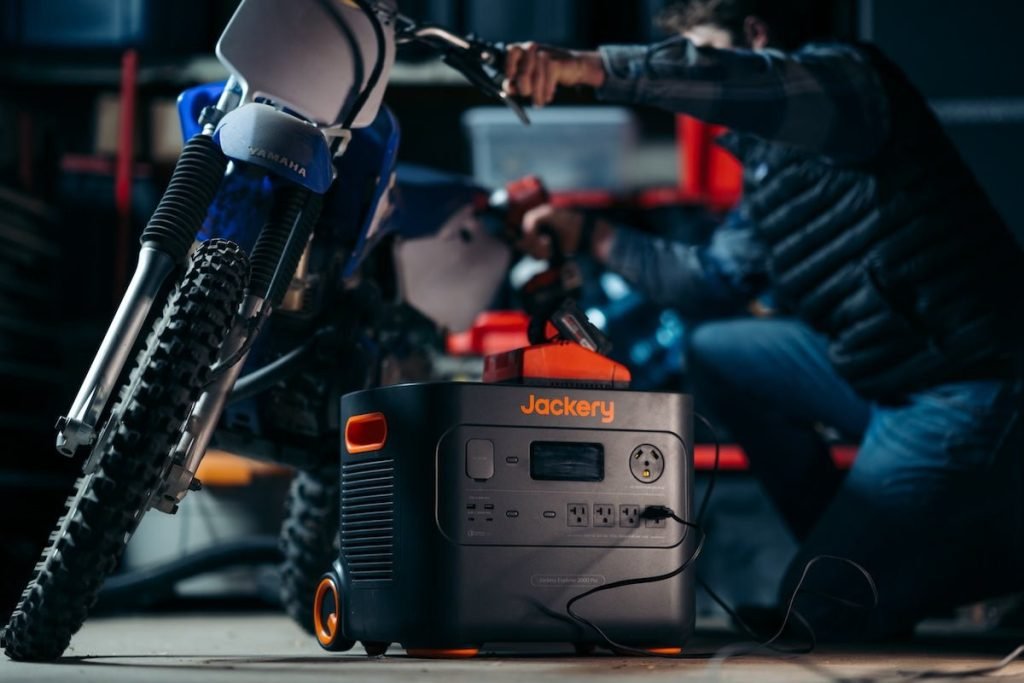
Are you tired of being caught off guard with a dead generator battery just when you need it the most? Understanding how to properly charge your generator battery can save you from unexpected power outages and keep your household or worksite running smoothly.
Imagine the relief of knowing your generator is ready to go whenever you flip the switch. This guide will walk you through the simple yet crucial steps to keep your generator battery charged and reliable. Keep reading to discover the tips and tricks that will empower you to maintain your generator effortlessly, ensuring peace of mind and uninterrupted power supply.
Let’s dive in and get your generator battery charged up and ready for action!
Choosing The Right Charger
There are different types of battery chargerssuitable for generator batteries. The most common are trickle chargers, which charge slowly and safely over time. Fast chargersdeliver power quickly but need careful use to avoid damage. Smart chargersadjust charging speed automatically and protect the battery.
Matching the charger to the battery typeis very important. Lead-acid batteries require chargers designed for their chemistry. Lithium-ion batteries need chargers with specific voltage and current settings. Using the wrong charger can damage the batteryor reduce its life.
| Battery Type | Recommended Charger | Notes |
|---|---|---|
| Lead-Acid | Trickle or Smart Charger | Slow charging extends battery life |
| Lithium-Ion | Smart Charger | Needs precise voltage control |
| Nickel-Cadmium | Fast or Smart Charger | Can handle quick charges well |
Look for chargers with safety featuressuch as overcharge protection, short-circuit prevention, and temperature control. These features help avoid accidents and keep the battery healthy. A charger with an automatic shut-off stops charging once the battery is full.

Credit: www.youtube.com
Preparing The Battery
Check the battery for cracks or leaks. A damaged battery can be unsafe.
Look at the battery’s charge level using a voltmeter. This helps decide if charging is needed.
Clean the battery terminals carefully. Use a brush to remove dirt and corrosion.
Apply a little petroleum jelly on terminals to prevent future corrosion.
Make sure the area around the battery is well ventilated. Charging releases gases that need to escape.
Never charge the battery in a closed space. This can cause dangerous gas build-up.
Charging Process
Connect the charger clamps to the battery terminals carefully. Attach the positive clampto the positive terminaland the negative clampto the negative terminal. Ensure the connections are tight and secureto avoid sparks.
Set the charger to the correct mode based on the battery type. Most generator batteries need a slow or trickle charge. Choose the appropriate voltage and currentsettings to prevent damage.
Monitor the charging progress by checking the charger display or indicators. Watch for a full chargesign or green light. Avoid overcharging by disconnecting the charger once the battery is fully charged.

Credit: www.reddit.com
Maintaining Battery Health
Keeping the generator battery in good shape needs a regular charging schedule. Charge the battery every few weeks to avoid deep discharge. Use a charger that matches the battery’s voltage.
Avoid overchargingto protect the battery life. Overcharging causes heat and damage. Disconnect the charger once the battery is full. Smart chargers with auto shut-off work best.
Store the battery properlywhen not in use. Keep it in a cool, dry place away from direct sunlight. Remove the battery from the generator if it will be unused for a long time. Check and charge the battery monthly during storage.
Troubleshooting Charging Issues
Loose connectionsare a common cause of charging problems. Check battery terminals for corrosion or dirt. Clean terminals with a wire brush if needed. Tighten any loose clamps to ensure a good connection.
Look for damaged cables or frayed wires. Replace them to maintain proper current flow. Faulty wiring can stop the battery from charging fully.
Signs that it is time to replace the battery include:
- The battery does not hold a charge for long.
- Visible cracks or bulges on the battery case.
- Battery is older than 3-5 years, depending on use.
- Repeated failure to start the generator.
Testing the battery with a multimeter can confirm its health. A fully charged battery should read around 12.6 volts or more.
Credit: www.electricaltechnology.org
Frequently Asked Questions
How Do I Safely Charge A Generator Battery?
To safely charge a generator battery, use a compatible charger with the correct voltage. Disconnect the battery, clean terminals, and avoid sparks. Charge in a well-ventilated area and monitor the process to prevent overcharging.
How Long Does It Take To Charge A Generator Battery?
Charging time depends on battery size and charger output. Typically, it takes 4 to 8 hours for a full charge. Use a smart charger to optimize charging speed and prevent battery damage.
Can I Use A Car Charger For A Generator Battery?
Yes, a car charger can work if it matches the generator battery voltage. Use a low amp setting to avoid overcharging. Always monitor the battery during charging to ensure safety.
How Often Should I Charge My Generator Battery?
Charge your generator battery every 1 to 3 months if unused. Regular charging maintains battery health and prevents sulfation. Always check the battery’s water level before charging.
Conclusion
Charging a generator battery is simple with the right steps. Always check the battery type and use the correct charger. Keep safety in mind to avoid accidents. Regular charging helps your generator run smoothly when needed. A well-charged battery means less trouble during power outages.
Take your time and follow instructions carefully. This keeps your generator ready for any situation. Easy to do, and very important. Keep your battery healthy and your generator reliable.