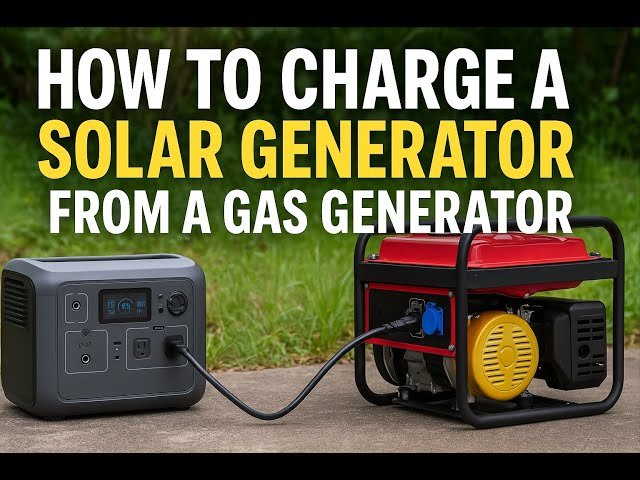
Imagine you’re relying on your solar battery bank during a camping trip or a power outage, and suddenly, the sun doesn’t cooperate. You’re left wondering how to keep your devices charged and your lights on.
That’s where your trusty generator comes in. But how do you use it to charge your solar battery bank efficiently and safely? In this guide, you’ll discover the straightforward steps to ensure your generator powers your solar battery bank without a hitch.
We’ll break down the process into simple, manageable tasks, so you can confidently keep your energy flowing, even when the sun takes a break. By the end of this article, you’ll have the know-how to prevent any charging mishaps and make the most out of your solar setup, ensuring you’re never left in the dark. Ready to take control of your power needs? Let’s get started.
Choosing The Right Generator
Selecting an appropriate generator ensures efficient charging of your solar battery bank. Consider compatibility with your solar system and fuel efficiency. A generator with a stable power output can prevent damage to the batteries, enhancing their lifespan.
Types Of Generators
Generators come in different types. Portable generators are easy to move. They are great for small power needs. Standby generators stay in one place. They start automatically during power outages. Inverter generators are quieter. They adjust power based on demand. Each type has unique benefits. Choose based on your needs.
Generator Size And Capacity
Size and capacity matter. Small generators are good for light use. They power small devices. Medium generators handle more. They power some appliances. Large generators offer the most power. They can run almost everything. Check your battery bank’s power needs. Match it with the generator’s capacity.

Credit: www.facebook.com
Understanding Battery Solar Bank
Charging a battery solar bank with a generator requires careful connection and monitoring. Ensure the generator matches the solar bank’s voltage. Use the appropriate cables and follow safety guidelines to prevent damage.
Components Of A Solar Battery Bank
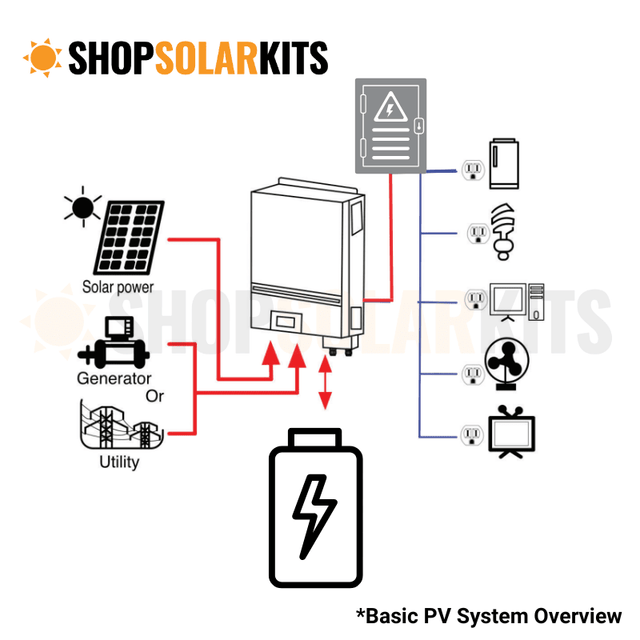
A solar battery bank has many important parts. Solar panels catch sunlight and turn it into energy. Batteries store the energy for later use. Inverters change the stored energy into power you can use. Charge controllers stop the batteries from overcharging. Each part works together to store and provide energy.
Capacity And Specifications
Solar battery banks have different sizes. Capacity tells how much energy they can hold. Measured in amp-hours or watt-hours. Bigger capacity means more energy storage. Check specifications to know how much power you need. Each battery has a voltage rating. It shows how much energy it can supply. Higher voltage means more power. Choose wisely based on your energy needs.
Connecting Generator To Solar Battery Bank
Follow safety tips for a safe connection. First, turn off the generator. Then, ensure the solar battery bank is also off. Wear rubber gloves to avoid shocks. Keep the area dry and clean. Check cables for any damage. Use only recommended tools for connections. Never work with wet hands. Keep kids and pets away from the setup. Safety first.
Use the right wires for connections. Match the generator output with battery input. Connect the generator to the battery terminals. Positive to positive, negative to negative. Tighten all connections firmly. Loose connections can cause sparks. Ensure wires are not tangled. Neatly arrange them to avoid accidents. Check the setup before turning on the generator. Monitor the charging process for any issues.

Credit: www.jackery.com
Optimal Charging Practices
Charging your solar battery bank with a generator requires mindful planning. Ensure the generator’s voltage matches the solar bank’s requirements. Use proper cables and connectors for efficient energy transfer, and monitor the charging process to avoid overcharging.
Charging Time And Efficiency
Charging a battery solar bank with a generator is smart. Choose a generator that fits your battery’s needs. Efficiency is key, so monitor the charging speed. Fast charging can harm your battery. Slow and steady is better. Check if your generator has a voltage regulator. This device protects your battery from overcharging.
Monitoring Charge Levels
Keep an eye on your battery’s charge level. Use a charge meter if available. A meter helps track the battery’s progress. Avoid letting the battery get too low. Low batteries need more time to recharge. Regular checks prevent surprises. Follow the manufacturer’s guidelines. These guidelines ensure your battery lasts long.
Troubleshooting Common Issues
Charging a solar battery bank with a generator can solve power issues. Connect the generator to the battery bank using the right cables. Ensure the generator’s output matches the battery bank’s input requirements for optimal charging.
Overcharging Problems
Solar banks can face overcharging issuescharge controllerto regulate power flow. It can protect your solar bank from damage. Be sure to read your device’s manual carefully. Follow the instructions to avoid overcharging. If unsure, seek help from an expert.
Connection Failures
Connection failures are common with solar banks. Ensure all cables are securely attached. Loose cables can prevent charging. Check if your cables are damaged. Replace any broken cables immediately. Verify your generator’s output matches the solar bank’s input. Mismatched outputs can cause failures. Use proper connectors for a stable link. Test your setup regularly to ensure everything works. If problems persist, consult a professional.
Credit: shopsolarkits.com
Maintenance And Care
Charging a battery solar bank with a generator requires safe and proper connection. Ensure compatibility between the solar bank and generator’s voltage. Use an appropriate adapter to connect the devices efficiently.
Routine Inspections
Check your solar battery bank often. Look for any signs of damage. Clean any dirt or dust. Ensure all connections are secure. Inspect cables for wear. Tighten loose screws and bolts. Maintain a safe distancefrom heat sources. Keep the battery in a cool place. Store away from direct sunlight. Ensure the battery is not overcharged. Use a proper charging device.
Prolonging Battery Life
Charge the battery regularly. Avoid letting it discharge completely. Use the generator to charge the battery when needed. This keeps the battery healthy. Avoid extreme temperatures. Keep the battery dry. Protect it from rain and water. Check for leaks often. Replace damaged parts quickly. Proper care leads to a long-lastingbattery.
Frequently Asked Questions
How To Charge A Battery Bank With A Generator?
Connect the generator to the battery bank using a compatible charger. Start the generator and adjust the voltage output to match the battery specifications. Monitor the charging process to prevent overcharging. Ensure proper ventilation during charging for safety.
Can I Use My Generator To Charge My Solar Battery?
Yes, you can use a generator to charge your solar battery. Ensure compatibility between the generator and battery. Use an appropriate inverter or charge controller for safe charging. Regularly check the battery and generator connections to prevent damage or accidents.
Always follow the manufacturer’s instructions for optimal performance.
How Do You Charge Your Solar Battery Bank?
Connect solar panels to your solar battery bank using a charge controller. Ensure panels receive sunlight. Monitor voltage levels regularly to avoid overcharging. Use a multimeter to check battery health and optimize charging efficiency. Adjust panel angles for maximum sunlight exposure.
Follow manufacturer instructions for safe charging practices.
What Size Generator Do I Need To Charge My Battery Bank?
Choose a generator based on battery bank capacity and charging requirements. Calculate total wattage needed, considering inverter efficiency and charging time. Typically, a generator with 20% more wattage than your bank’s capacity ensures efficient charging. Consult battery and generator manuals for precise specifications.
Conclusion
Charging your battery solar bank with a generator is simple. First, ensure your generator is compatible. Use the correct cables and connectors. Follow safety guidelines to avoid accidents. Regularly check battery levels during charging. This helps maintain battery health. A generator provides a reliable backup option.
It’s useful during low sunlight days. Always store your equipment safely after use. With these steps, you extend the life of your solar bank. Now, you’re ready to keep your devices powered anytime. Enjoy the flexibility and convenience it brings.