Imagine you’re on a road trip, miles away from civilization, and your portable power station is running low on juice. You need to keep your gadgets powered, your food fresh, and maybe even your favorite tunes blasting.
But how do you charge your power station while driving? This question might have crossed your mind, and you’re not alone. Many travelers face this dilemma. Charging your portable power station while on the go can make or break your adventure.
You’ll discover simple, effective ways to keep your power station charged without stopping for hours. By the end, you’ll feel empowered, confident, and ready to hit the road with all your devices charged and ready to go. Get ready to unlock the secret to seamless power on the move!

Credit: support.ankersolix.com
Choosing The Right Portable Power Station
Charging a portable power station while driving ensures uninterrupted power on the go. Use a car adapter to connect the station to your vehicle’s 12V socket. This method conserves energy, keeping devices charged during long trips.
Capacity And Output Requirements
Power stations come in different sizes and power levels. Capacity is how much energy it can hold. Output is the energy it can give at once. Choose one that fits your needs. Check the devices you’ll power. Match their energy needs with the station’s output. A bigger device needs more power. Make sure your power station can handle it. Plan for extra power if needed.
Size And Portability Considerations
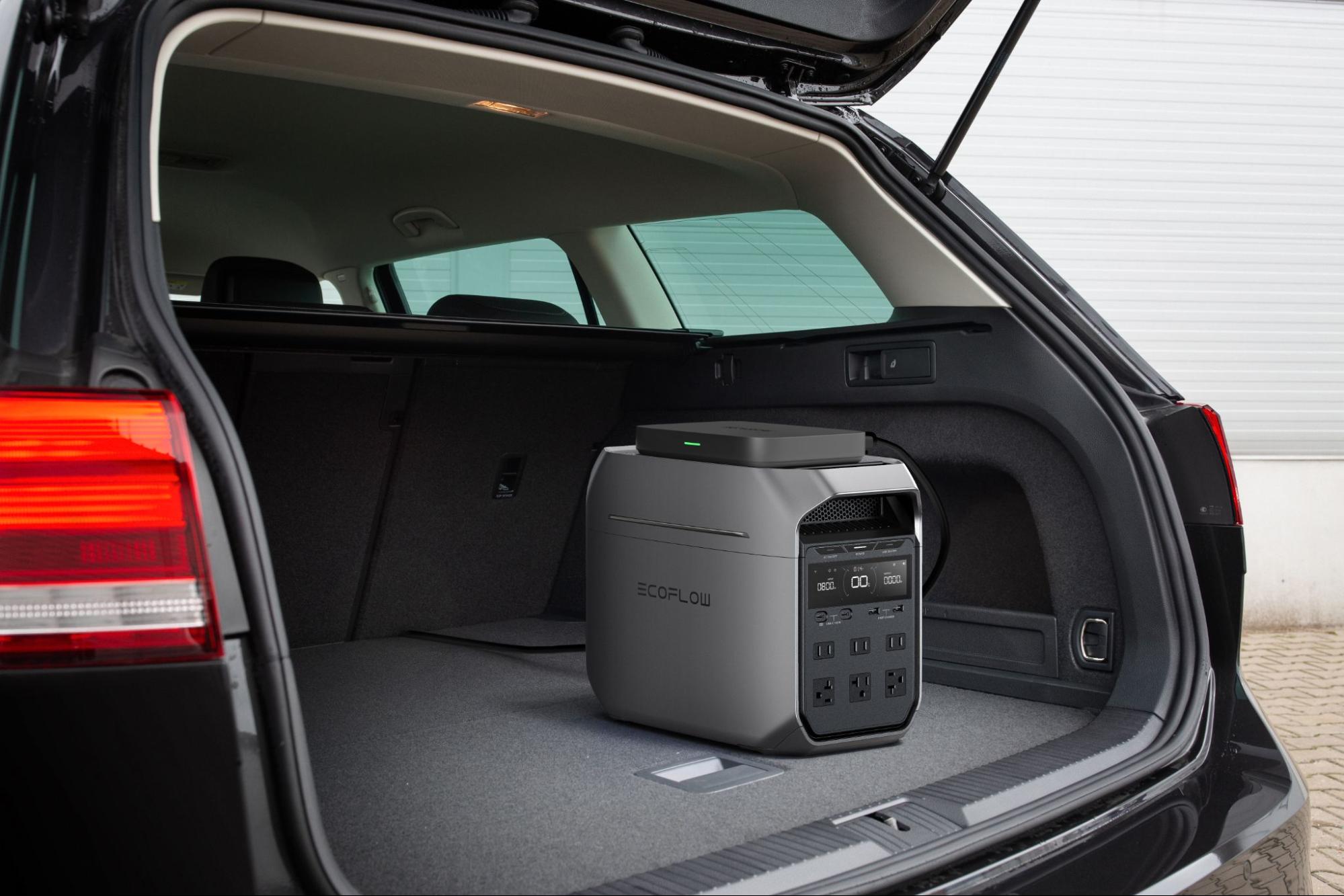
Portable power stations should be easy to carry. Look for a size that fits in your car. Compact designs are best for small spaces. Lightweight options are easier to move around. Think about how often you’ll travel with it. Pick a size that won’t be a hassle. Balance between power and size to find the right fit.
Charging Methods On The Road
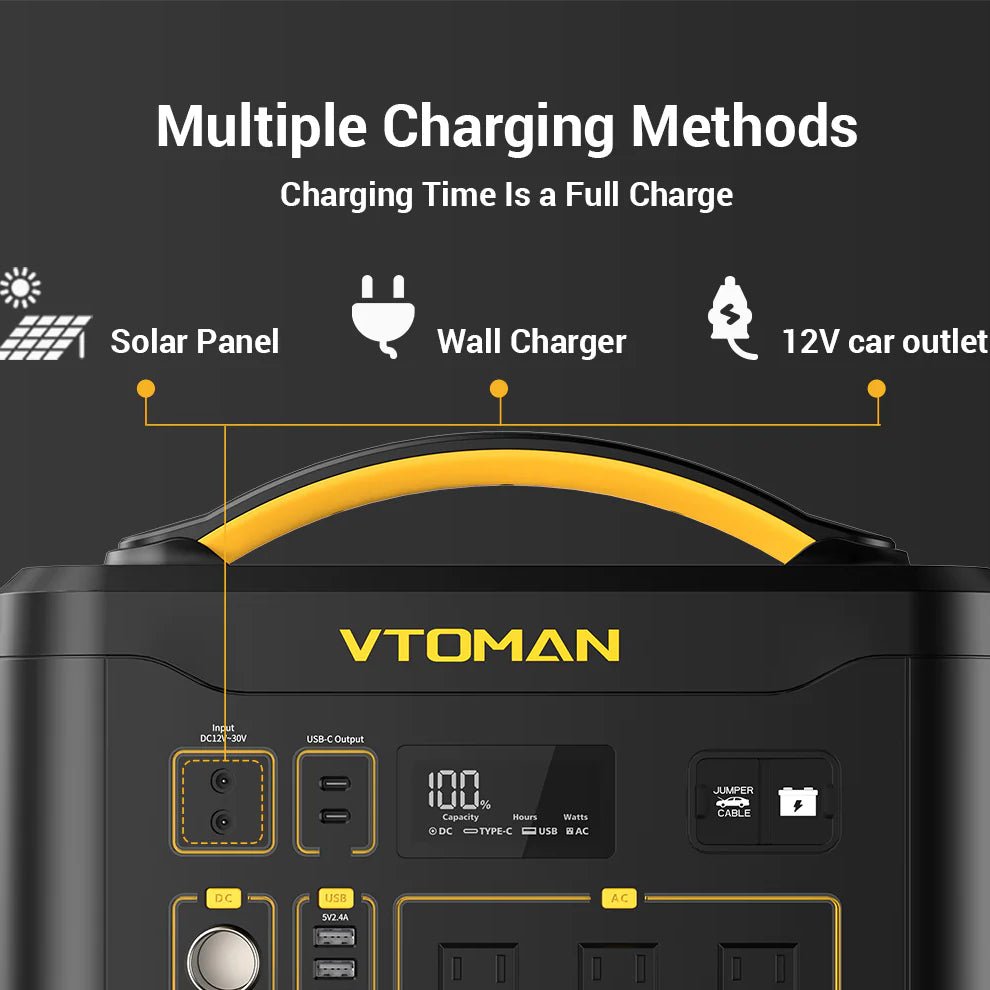
Charging portable power stations while driving can be efficient with a car charger adapter. Plug into the vehicle’s 12V outlet for steady charging. Solar panels on the dashboard can also provide power if conditions are sunny.
Using Vehicle’s 12v Outlet
Plug the power station into the car’s 12V outlet. This is easy and convenient. The car’s engine should be running for charging. Check that your power station is compatible with the outlet. Some power stations charge slowly this way. It’s important to be patient.
Solar Panels On The Go
Attach solar panels to the power station. Place them where they can get sunlight. Use them while driving if possible. Ensure the panels are secure and won’t fall. This method is eco-friendly. Solar charging may take longer without bright sun.
Dual Charging Systems
Some power stations support dual charging systems. This means you can charge using two methods at once. For example, use the 12V outlet and solar panels together. This can speed up the charging process. Always check the manual for compatibility.
Essential Accessories For Charging
Charging portable power stations while driving requires essential accessories like car adapters and high-quality cables. These tools ensure uninterrupted power supply and efficient energy transfer. Investing in reliable equipment helps maintain battery health and supports consistent charging on the go.
Inverter Options
Inverters are useful for charging power stations. They change DC power to AC power. This lets you charge many devices in the car. Pure sine wave inverters are better for sensitive gadgets. They provide smooth power. Modified sine wave inverters are cheaper. But they may not work with all devices. Check the power output of the inverter. It should match your power station’s needs.
Adapters And Cables
Adapters and cables are crucial for charging. Cigarette lighter adapters connect the power station to the car. Make sure the adapter fits well. USB cables can charge smaller devices. Always check cable quality. Good cables last longer. Keep spare cables in the car. They help if one breaks. Always have the right adapter for your power station. It ensures safe and fast charging.

Credit: cybershack.com.au
Maintaining Efficiency While Charging
Keep charging cables short. This helps reduce energy loss. Use high-quality cables for better efficiency. Avoid using multiple devices at once. This can slow down charging speed. Switch off unnecessary car electronics. They consume power and extend charge time. Ensure all connections are tight. Loose connections can cause interruptions. Check the power station’s settings. Choose the fastest charging mode available. Charge during cooler temperatures. Heat can reduce charging speed.
Turn off the car’s air conditioning. It uses a lot of energy. Roll down the windows instead. Drive at a steady speed. Sudden stops waste energy. Use cruise control on highways. It helps maintain speed. Avoid heavy loads in the car. More weight means more energy use. Park in shaded areas when possible. This keeps the car cool. Check tire pressure regularly. Properly inflated tires use less energy.
Safety Considerations
Overcharging can harm your power station. Check the user manual for charging limits. Use a charger that stops when the battery is full. Avoid leaving the power station plugged in overnight. Regularly inspect cables and connectors for damage. Replace any frayed or broken parts. Choose a charger designed for your power station. An incorrect charger can lead to overcharging. Make sure the power station is in a ventilated area. Heat buildup is dangerous. Battery overheating can cause damage. Pay attention to warning signs.
Keep track of the battery levels. Check the display regularly. Most power stations have a screen showing battery percentage. Stop charging when near full. Use apps if available. Apps help monitor battery remotely. Listen for alerts from the power station. Do not ignore warning lights or sounds. A low battery needs immediate charging. Too much charging can cause overheating.
Troubleshooting Common Issues
Charging portable power stations while driving can be simple. Use a car adapter to connect the power station to your vehicle’s cigarette lighter socket. Ensure the power station’s input is compatible with the car’s output to avoid any issues.
Addressing Connectivity Problems
Check all cables and plugs. Make sure they fit snugly. Loose connections can stop charging. Inspect for damaged wires. Replace broken ones immediately. Use the right adapters. Wrong adapters might not work well. Check battery levels. Low power can affect connections. Restart devices if needed. Sometimes a reset helps.
Handling Power Fluctuations
Watch the vehicle’s power output. It may change during driving. Use voltage stabilizers. They help keep power steady. Avoid overloading the car’s system. Too many gadgets can cause drops. Check the power station’s settings. Adjust them to match the car’s output. Keep an eye on the power station. Ensure it charges correctly. If issues persist, consult a technician.
Credit: www.ecoflow.com
Frequently Asked Questions
Can You Charge A Portable Power Station With Your Car?
Yes, you can charge a portable power station with your car. Use a car charger or a 12V DC outlet. Ensure compatibility with your power station model. Charging while driving is more efficient. Always follow the manufacturer’s guidelines for safe charging.
How To Recharge Your Battery While Driving?
To recharge your battery while driving, ensure the alternator functions properly. Drive at moderate speeds for optimal charging. Avoid using high-powered electrical devices. Regularly check the battery’s condition and connections. Maintain engine health for efficient battery charging.
Can I Charge My Jackery While Driving?
Yes, you can charge your Jackery while driving using a car charger. Ensure your vehicle’s output matches Jackery’s input requirements. Always check the user manual for specific instructions and safety guidelines to avoid any damage. Charging while driving helps keep your Jackery ready for use.
Can You Charge A Power Station While Using It?
Yes, many power stations support pass-through charging. This feature allows you to charge and use them simultaneously. Always check the manufacturer’s guidelines to ensure safe usage. Not all models support this feature, so verify compatibility before purchase.
Conclusion
Charging portable power stations while driving is practical and convenient. Keep your devices powered on road trips. Choose the right power station for your needs. Consider car adapter compatibility. USB ports can be your best friend. Remember, safety first when connecting devices.
Avoid overloading your vehicle’s electrical system. Regularly check connections to ensure efficiency. Stay prepared for long drives. A charged power station means peace of mind. Embrace the freedom of portable power, wherever you go. It’s all about staying connected, effortlessly.
Keep it simple, keep it safe, and enjoy the journey.