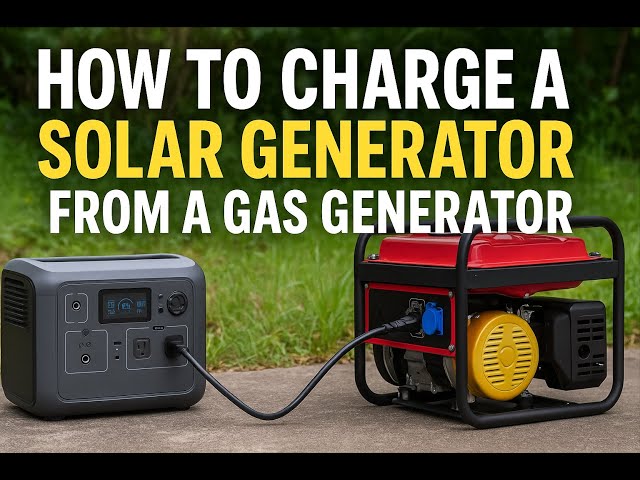
Imagine the freedom of powering your devices anywhere, anytime, without being tethered to a wall outlet. Portable solar generators make this possible, tapping into the limitless energy of the sun.
Yet, knowing how to effectively charge these generators can be a game-changer for you. Are you tired of running out of power when you need it most or just curious about unlocking the full potential of your solar gear? Get ready to discover simple, practical tips that will ensure your generator is always ready to go.
You’ll learn how to harness every ray of sunshine and optimize your energy storage, making your adventures worry-free and empowering you with sustainable energy solutions. Dive in and let’s illuminate the path to keeping your portable solar generator charged and ready.
Choosing The Right Solar Generator
Picking a solar generator needs careful thought. Size matters a lot. Small generators work well for light gadgets. Big ones handle more powerful devices. Think about battery capacity. More capacity means longer use. Portability is key. Lightweight generators are easy to move. Heavy ones might need more effort. Check the charging time. Faster charging saves time. Durability is important. Strong materials last longer.
Factors To Consider
- Battery life should be long.
- Weight affects portability.
- Output power must match your needs.
- Charging speed makes a difference.
- Materials should be sturdy.
Popular Models
| Model | Battery Capacity | Weight |
|---|---|---|
| EcoFlow Delta | 1260Wh | 30 lbs |
| Goal Zero Yeti | 1500Wh | 43 lbs |
| Jackery Explorer | 1000Wh | 22 lbs |
Understanding Solar Panels
Place the solar generator under direct sunlight to ensure efficient charging. Connect the solar panel to the generator using the provided cables. Monitor the charging status through the generator’s display to track progress.
Types Of Solar Panels
Solar panels come in different types. Monocrystalline panels are known for high efficiency. Polycrystalline panels are less efficient but cheaper. Thin-film panels are lightweight and flexible. Each type has unique features and benefits.
Efficiency Ratings
Efficiency ratings measure how well panels convert sunlight. Higher efficiency means more electricity. Monocrystalline panels usually have higher ratings. Polycrystalline panels have moderate efficiency. Thin-film panels often have lower ratings. Choose the right panel based on efficiency and cost.
Setting Up Your Solar Generator
Charging a portable solar generator involves connecting it to solar panels under direct sunlight. Ensure the panels face the sun for maximum efficiency. Use the provided cables for secure connections, and monitor the charge level to avoid overcharging.
Location And Positioning
Find a sunny spot for your solar generator. Make sure it’s free from shade. The sun is the main source of power. Place the panels facing the sun directly. Adjust the angle for best sunlight. Morning and midday sunlight is strong. Keep panels clean for efficient charging. Dust or dirt can block sunlight. Store the generator in a cool place. Heat can damage the equipment.
Avoiding Common Mistakes
Avoid placing panels under trees or roofs. Shadows reduce power efficiency. Don’t leave panels dirty. Clean them often with a soft cloth. Avoid using harsh cleaners. They can scratch the surface. Make sure cables are not tangled. Check connections regularly for safety. Avoid overloading your generator. Use only recommended appliances. Double-check all settings before use. This ensures safe and efficient charging.

Credit: vtoman.com
Connecting Solar Panels To Generator
Efficiently charge a portable solar generator by connecting solar panels to it. Ensure the panels receive direct sunlight. Use appropriate cables and connectors for a seamless energy flow.
Cable Requirements
Cablesare crucial for connecting solar panels to generators. Always ensure the cables are compatiblewith both the solar panel and generator ports. Check the cable length; it should be long enough to reach comfortably. Use thick cablesto ensure safety and efficient power transfer. Thin cables might heat up and cause problems. Ensure the cables are weather-resistantif used outdoors.
Safety Precautions
Safety firstwhen handling electrical connections. Always wear protective gear like gloves. Keep cables away from water to avoid shocks. Ensure the generator is offbefore connecting the panels. Check for any damage in cables before use. If unsure, consult with a professional. Regularly inspect connections for wear and tear. Do not touch live wires. Ensure the area is dryand clear of hazards.
Charging Techniques
Place the solar generator under direct sunlight. The sun’s energy will charge it. Make sure the panels face the sun. This helps in getting more power. Check the angle for best results. Keep the panels clean for better efficiency. This method is simple and effective.
Even on cloudy days, the generator can charge. It may take longer, though. Use high-efficiency panels for better results. Keep the panels clear of dirt. This helps in capturing the most light. Be patient as charging might be slow. It’s a handy way to charge even without sun.
Monitoring Charge Levels
Monitoring charge levels of a portable solar generator ensures optimal performance. Connect the generator to solar panels under direct sunlight. Regularly check the charge indicator for updates.
Using Built-in Indicators
Portable solar generators have built-in indicators. These lights show the battery charge level. Green usually means fully charged. Yellow indicates half charge. Red signals low battery. Look at these lights often. They help prevent battery damage. Always check the lights before using the generator.
External Monitoring Tools
External tools are also helpful. Digital voltmeters can measure charge levels. They show exact numbers. Connect them to the generator. Read the numbers on the screen. Some tools have alarms. Alarms beep when battery is low. This helps in keeping the generator ready. Use tools that are easy to read and handle.
Maximizing Charging Efficiency
Maximize charging efficiency by placing the portable solar generator in direct sunlight. Adjust the angle for optimal exposure. Regularly clean the solar panels to ensure effective energy absorption.
Optimal Sun Exposure
To charge a portable solar generator, find a sunny spot. Direct sunlight is best for charging. Shade or cloudy weather will slow charging. Keep panels clean for better efficiency. Dust and dirt can block sunlight. Clean them with a soft cloth.
Adjusting Panel Angles
Angle the panels towards the sun. Adjust angles as the sun moves. Morning and evening angles differ. Flat panels won’t get full sun. Tilt them for more light. Check angles often for best results.

Credit: lanpwr.com
Troubleshooting Charging Issues
Portable solar generators may not charge due to various issues. Check the solar panel for any dirt or damage. Clean the panel if it is dirty. Ensure the generator is connected properly. Look at the wires and connections for any signs of wear. Replace damaged wires immediately. Sometimes, the battery might be faulty. Inspect the battery for any leakage or swelling. Replace it if needed. Check if the solar panel is in direct sunlight. Shadows or clouds can reduce charging efficiency.
Ensure the solar panel faces the sun directly. Adjust its angle for better exposure. Use a multimeter to test the voltage output. This helps ensure the panel is working. Regularly clean the solar panels. This keeps them efficient. Store the generator in a cool, dry place. Heat or moisture can damage the battery. Always read the user manual for specific instructions. Following these tips can help maintain your generator.
Maintenance And Care
Charging a portable solar generator requires sunlight and patience. Place solar panels under direct sunlight for optimal charging. Keep panels clean for maximum efficiency and store the generator in a cool, dry place after charging.
Cleaning Solar Panels
Keep solar panels clean for better energycollection. Use a soft cloth with water. Avoid strong chemicals. Check for dirt and bird droppings often. Clean them gently. Do not scratch the surface. Check for cracks or damage as well. Clean panels in the morning or evening. Sunlight can make them hot.
Storing The Generator
Store the generator in a cool, dry place. Keep it away from water. Make sure the battery is charged. Disconnect all cables and wires. Cover the generator to keep it dust-free. Check the battery charge once a month. Keep it away from kids and pets. Ensure the storage space is ventilated.

Credit: www.eblofficial.com
Frequently Asked Questions
How Do You Charge A Solar Generator?
Charge a solar generator by connecting it to solar panels under direct sunlight. Ensure the panels are clean and positioned optimally. Alternatively, use an AC wall outlet or a car charger for backup charging. Always follow the manufacturer’s instructions for safe and efficient charging.
How Long Does It Take To Charge A Portable Solar Generator?
Charging times for portable solar generators vary based on battery size and sunlight conditions. Typically, it takes 8 to 12 hours under direct sunlight to fully charge. Smaller generators may charge faster, while larger ones require more time. Always check the manufacturer’s guidelines for specific charging durations.
How Do You Charge A Portable Generator Battery?
Connect the battery charger to the generator battery terminals. Ensure proper polarity alignment. Turn on the charger and follow the manufacturer’s charging instructions for optimal results. Regularly check the battery’s charge level to avoid overcharging or undercharging. Always prioritize safety by using appropriate equipment and following guidelines.
How Do You Charge A Solar Powerbank?
To charge a solar powerbank, place it under direct sunlight. Ensure the solar panel faces the sun. Alternatively, use a USB cable to charge it through an electrical outlet. Monitor the charging indicator for status updates. Regularly clean the solar panel for efficient charging.
Conclusion
Charging a portable solar generator is simple. Follow basic steps for success. First, ensure solar panels receive maximum sunlight. Position them correctly. Clean panels regularly for efficiency. Next, monitor battery levels often. This prevents overcharging or undercharging. Use a compatible charger for safety.
Maintain your generator to extend its life. Regular checks help avoid issues. Understanding these steps ensures a reliable power source. Enjoy clean energy anywhere with your solar generator. Stay prepared and powered up with ease. Remember, practice makes perfect. Soon, charging will be second nature.