
Imagine this: you’re relying on solar power for your energy needs, basking in the satisfaction of using clean, renewable energy. But then, the sun doesn’t shine as much as you’d hoped.
Your solar battery starts running low, and you need a backup plan. What do you do? That’s where a generator comes into play. Charging your solar battery with a generator might sound complicated, but it doesn’t have to be. You don’t have to be a tech expert to make this happen.
This guide will walk you through the process, ensuring you have power when you need it most. By understanding the steps involved, you’ll gain peace of mind knowing that you’re prepared for those cloudy days. Not only will you learn a valuable skill, but you’ll also feel empowered by your ability to maintain a sustainable energy setup. Ready to dive in and ensure your solar power system is always at its best? Keep reading, and let’s get started on this practical journey together.
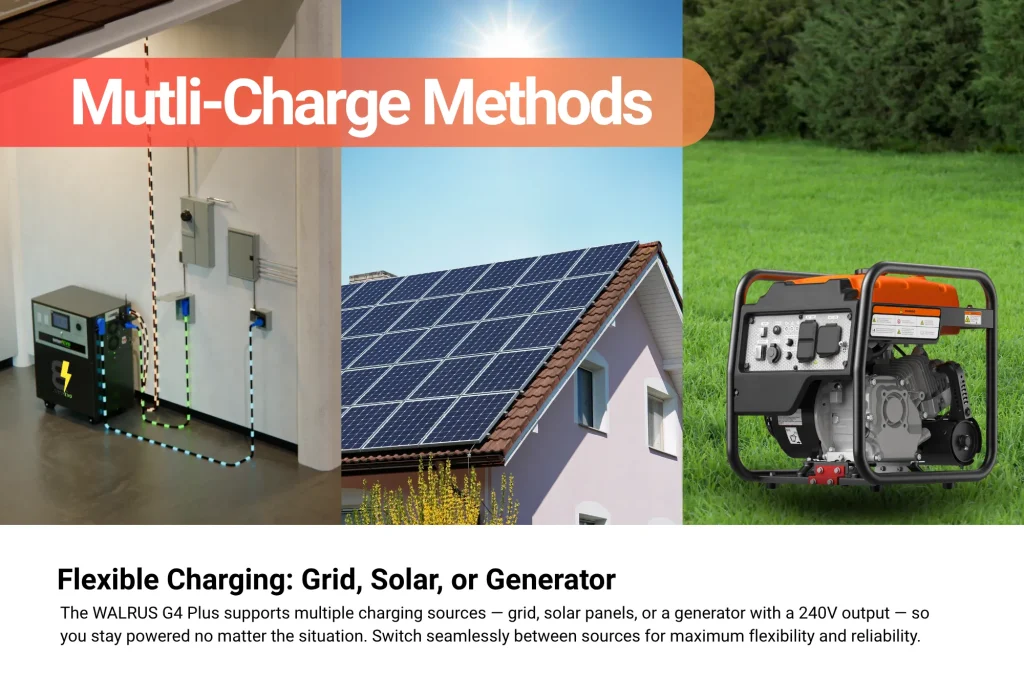
Credit: batteryevo.com
Choosing The Right Generator
Selecting the appropriate generator is essential for effectively charging solar batteries. Ensure compatibility between generator output and battery requirements for optimal efficiency. Prioritize models with stable power output to prevent battery damage and extend lifespan.
Types Of Generators
Generators come in many types. Portable generatorsare easy to move. They are good for small tasks. Standby generatorsstay in one place. They power homes when the lights go out. Inverter generatorsare quiet and save fuel. They are great for camping.
Generator Power Requirements
Generators need to be strong. They must give enough power. Check your solar battery size. See how much power it needs. A small generatormay not work. It could be too weak. Choose a generatorwith more watts. This helps charge the battery fully.
Preparing Your Solar Battery
Ensure your solar battery matches the generator’s power output. Check the voltage and amperageof the battery. The generator must have the same or higher capacity. Use a voltage regulatorif needed. This prevents overcharging and damage.
- Wear gloves and safety goggles when working with batteries.
- Keep the area around the battery clean and dry.
- Make sure the generator is in a well-ventilated area.
- Check all cables for damage before connecting.
- Disconnect the generator from the battery before turning it off.
Setting Up The Charging System
Connecting a generator to charge a solar battery involves using a compatible inverter. Ensure the generator’s output matches the inverter’s input specifications. Monitor the charging process to prevent overcharging and ensure safety.
Connecting The Generator To The Battery
Ensure your generator is off before connecting. Use proper cables to connect the generator and battery. Match positive and negative terminals carefully. Incorrect connections can damage the battery. Start the generator after connections are secure. Monitor the charging process to avoid overcharging. Safety is important, so wear gloves and goggles.
Using Charge Controllers
Charge controllers help manage the charging process. They prevent overcharging and overheating of the battery. Connect the controller between the generator and battery. Follow the manual for proper settings. Charge controllers can prolong battery life. Ensure the controller is compatible with your system. They are vital for safe and efficient charging.

Credit: www.eblofficial.com
Charging Process
Connect the generator to the solar battery. Use the proper cables. Check if the connections are tight. Loose connections can cause problems.
Start the generator. Let it run. Ensure it’s producing power. Use a multimeter to check voltage. The voltage should match the battery’s needs.
Monitoring Battery Levels
Always keep an eye on battery levels. Use a battery monitor. This tool helps see how much charge is left. Never let the battery overcharge. Overcharging can damage the battery.
Adjusting Charging Rates
Modify charging rates based on battery type. Some batteries need slow charging. Others can handle faster rates. Always follow the manufacturer’s guidelines. Adjust the generator output if needed.
Troubleshooting Common Issues
Charging a solar battery with a generator can solve power issues during cloudy days. Connect the generator to the solar battery using an appropriate inverter. Ensure the generator’s output matches the battery’s voltage to prevent damage.
Generator Malfunctions
Generators can stop working sometimes. Check the fuel level first. Low fuel can make the generator stop. Look for any loose wires too. Loose connections can prevent the generator from working. Inspect the air filter for dirt. A dirty filter can cause problems. Try to restart the generator after checking these. If it still does not work, call a technician.
Battery Performance Problems
Batteries may not charge properly. Examine the battery for damage. Cracks can affect performance. Check the connections between the battery and generator. Loose connections can hinder charging. Ensure the charging settings are correct. Wrong settings can cause issues. If the battery still does not charge, you might need a new one.
Maintaining Your Charging System
Charging a solar battery with a generator is efficient during low sunlight. Connect the generator to a compatible inverter charger. Monitor the battery levels to prevent overcharging and ensure optimal performance.
Regular System Checks
Check the wiringand connections often. Make sure there are no loose wires. Look for any signs of wearor damage. Clean the battery terminals regularly. Use a soft cloth for cleaning. Ensure the generator runs smoothly. Listen for unusual sounds. Check the fuel levels in the generator. Keep it filled properly. Perform regular maintenancechecks.
Extending Battery Life
Avoid overcharging the battery. It can shorten battery life. Use a proper charger designed for solar batteries. Keep the battery in a coolplace. Heat can damage it. Ensure that the battery is not in direct sunlight. Charge the battery fully but not excessively. Use a timer to monitor charging hours. This will help prevent overcharging. Check battery voltage regularly. Ensure it stays within safe levels.

Credit: www.reddit.com
Frequently Asked Questions
What Is The Best Way To Charge Batteries With A Generator?
Use a generator with a built-in battery charger. Connect the charger to the battery. Ensure correct voltage and polarity. Charge at a slow rate to avoid overheating. Monitor the charging process to prevent overcharging. Disconnect once fully charged.
What Size Generator To Charge Solar Battery?
Choose a generator capable of providing 20-50% more wattage than your solar battery’s capacity. Ensure it matches the inverter specifications for efficient charging. A portable 1000-2000 watt generator often suffices for small systems, while larger setups may require 3000-5000 watts.
Always prioritize compatibility and efficiency for optimal performance.
Can I Charge An Inverter Battery With A Generator?
Yes, you can charge an inverter battery using a generator. Ensure the generator’s voltage matches the battery requirements. Use a compatible charger to avoid damage. Regularly monitor the charging process to maintain battery health. Charging with a generator is efficient during power outages.
Can You Charge Lithium Batteries With A Generator?
Yes, you can charge lithium batteries with a generator. Ensure it provides stable voltage and current. Use a compatible charger for safety. Avoid overcharging to protect battery health. Check generator specifications to match your battery needs.
Conclusion
Charging a solar battery with a generator is quite simple. Follow the steps carefully for safety. Always use the right equipment. Regularly check connections and cables for damage. This ensures efficient charging and longer battery life. Remember to monitor the generator’s fuel level.
Proper maintenance keeps everything running smoothly. By understanding the process, you can manage your power needs effectively. This knowledge helps in emergencies or cloudy days. Stay prepared and enjoy continuous power.