
Have you ever found yourself in the middle of a power outage, only to discover that your generator isn’t working as it should? One of the most common culprits behind this frustrating scenario is a weak or failing battery.
Knowing how to check the battery health in your generator can save you from unexpected breakdowns and costly repairs. Imagine having the peace of mind that your generator will kick in right when you need it most. In this guide, we’ll walk you through the simple steps to assess your generator’s battery health, ensuring that you’re always prepared for the next power outage.
Stick with us, and you’ll gain the confidence to keep your generator running smoothly, no matter what.
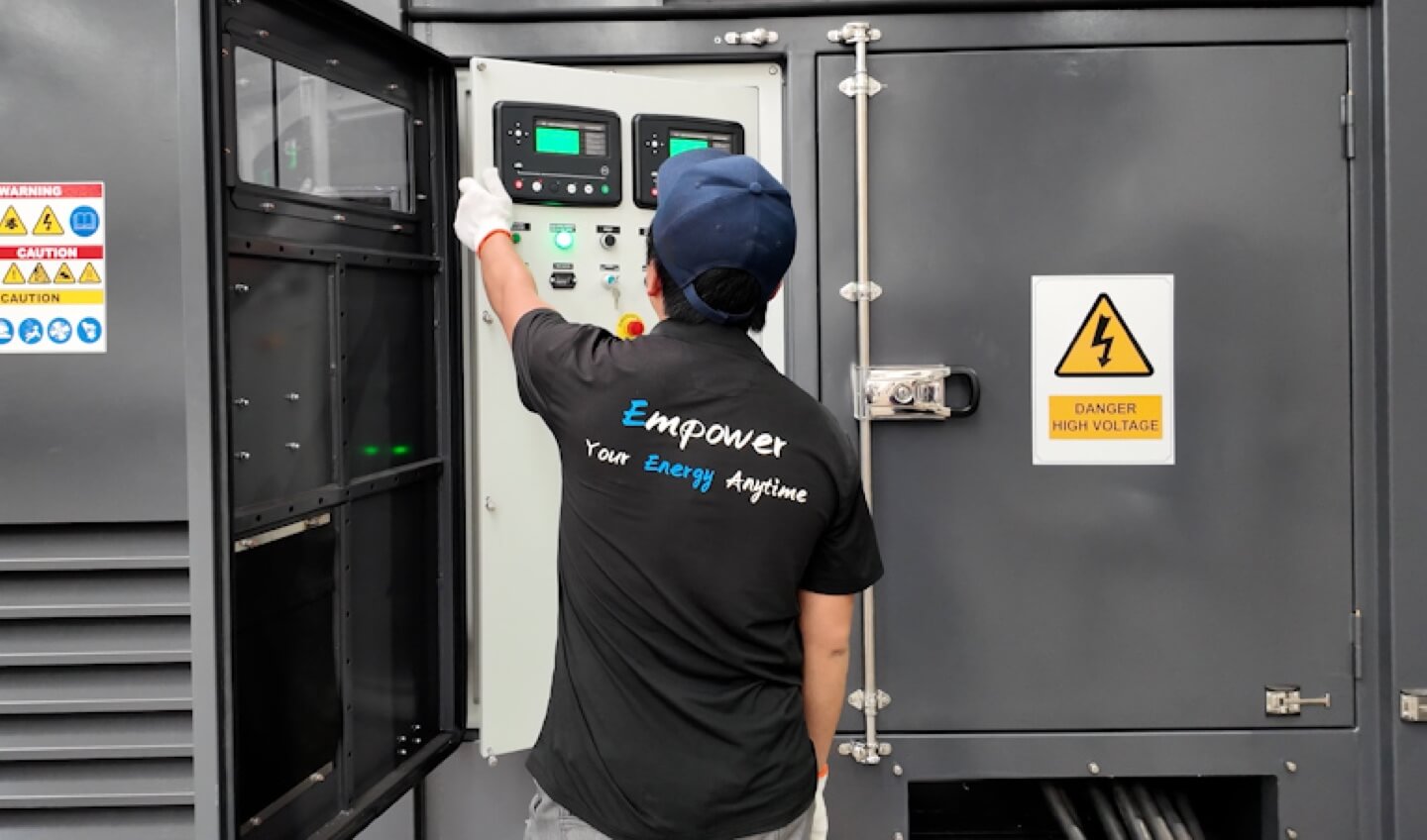
Credit: powerlinkenergy.com
Signs Of A Weak Generator Battery
Slow engine crankmeans the generator takes longer to start. This usually shows the battery is weak or low on power. A healthy battery should make the engine start quickly and easily.
Dim lights and electrical issuescan happen when the battery cannot provide enough power. Lights may flicker or look dull. Other electrical parts might not work well or fail.
Unusual battery corrosionappears as white or green powder near battery terminals. This buildup can stop the battery from working right. It also shows the battery might be old or damaged.
Tools Needed For Battery Health Check
Checking a generator’s battery health needs a few key tools. A multimetermeasures the battery voltage. It helps find if the battery holds a good charge or not.
A hydrometertests the battery fluid. It shows the acid level and strength inside the battery. This helps check if the battery is healthy or weak.
Wearing safety gearis very important. Gloves and goggles protect against acid spills and sparks. Safety keeps you safe during battery tests.
Step-by-step Battery Voltage Test
Make sure the generator is turned off and cool before starting. Remove any covers to access the battery safely. Wear gloves and safety glasses to protect yourself. Find the battery terminals and clean any dirt or corrosion with a cloth. Prepare a digital multimeter for measuring voltage.
Set the multimeter to measure DC voltage (usually marked as V with a straight line). Connect the red probe to the positive (+) terminal and the black probe to the negative (-) terminal. Read the voltage on the multimeter screen while the generator is off and again when running.
| Voltage Reading | Battery Condition | Action Needed |
|---|---|---|
| 12.6 volts or higher | Battery is healthy | No action needed |
| 12.4 – 12.6 volts | Battery is fairly charged | Monitor regularly |
| Below 12.4 volts | Battery is weak or discharged | Recharge or replace battery |

Credit: shenzhenlijun.en.made-in-china.com
Checking Electrolyte Levels And Specific Gravity
Use a hydrometerto measure the battery’s specific gravity. This tool shows how strong the battery acid is. Dip the hydrometer into each cell’s electrolyte fluid and read the number. A healthy battery usually has a specific gravity between 1.265 and 1.299. Lower numbers mean the battery is weak or the fluid is low.
Check the electrolyte levelsin each cell. The fluid should cover the battery plates fully. If the levels are low, add distilled water carefully. Avoid overfilling, as it can cause leaks or damage.
| Specific Gravity | Battery Condition |
|---|---|
| 1.265 – 1.299 | Good Health |
| 1.200 – 1.264 | Needs Charging |
| Below 1.200 | Battery Bad or Sulfated |
- Look for cloudy or dark electrolyte fluid. This signals damage.
- Check for cracks or leaks in the battery case.
- Ensure battery caps are tight and clean.
Load Testing The Generator Battery
Set the generator battery to full charge before testing. Use a load tester made for 12-volt batteries. Connect the tester clamps to the battery terminals—red to positive, black to negative. Apply the load for about 10-15 seconds. Watch the voltage drop carefully.
A healthy battery voltage should stay above 9.6 volts under load. If voltage falls quickly or below this, the battery may be weak or failing. Check how fast the battery recovers after the test ends. Slow recovery means the battery holds less charge.
| Voltage Under Load | Battery Condition |
|---|---|
| > 9.6 V | Good condition |
| 8.0 V – 9.6 V | Weak, needs closer check |
| < 8.0 V | Bad, replace battery |
Preventive Tips For Battery Longevity
Keeping a regular maintenance schedulehelps the battery last longer. Check battery terminals for dirt and corrosion. Clean them gently with a brush. Make sure connections are tight and secure.
Use proper charging practicesto avoid battery damage. Charge the battery fully before use. Avoid overcharging, which can reduce battery life. Use a charger that matches the battery’s voltage and type.
Follow storage recommendationsto protect the battery during off seasons. Store batteries in a cool, dry place. Keep them away from direct sunlight and extreme temperatures. Charge the battery every few months to keep it healthy.

Credit: achc.org
Frequently Asked Questions
How Do I Test Generator Battery Voltage?
Use a multimeter to measure the battery voltage. A healthy battery should read around 12. 6 volts when fully charged. Lower readings may indicate the battery needs charging or replacement.
What Signs Indicate A Weak Generator Battery?
Slow engine start, dim lights, or frequent jump-starts suggest a weak battery. These signs show reduced battery capacity or aging cells.
How Often Should I Check Generator Battery Health?
Check your generator battery every 3 to 6 months. Regular checks help maintain reliability and prevent unexpected failures during power outages.
Can I Check Battery Health Without Special Tools?
Yes, you can visually inspect for corrosion, leaks, or swelling. However, accurate health checks require a multimeter or battery tester.
Conclusion
Checking your generator’s battery health keeps it ready to work anytime. Regular tests help spot problems early. Clean and tight connections improve battery life. A healthy battery means less chance of failure during power outages. Use simple tools like a voltmeter to check voltage levels.
Keep an eye on battery performance over time. Small efforts save you from big troubles later. Stay safe and keep your generator running smoothly.