Have you ever found yourself in the middle of a blackout, relying on your generator to keep things running smoothly, only to wonder if it’s performing at its best? Understanding how to check your generator ATS (Automatic Transfer Switch) voltage is crucial.
It ensures your backup power system is ready to kick in when you need it most. In this guide, you’ll discover simple steps to check your generator ATS voltage, empowering you to maintain your generator’s efficiency and reliability. Uncover these insights and feel confident in your ability to handle unexpected power outages like a pro.
Dive in, and let’s make sure your power never skips a beat.
Basics Of Generator Ats
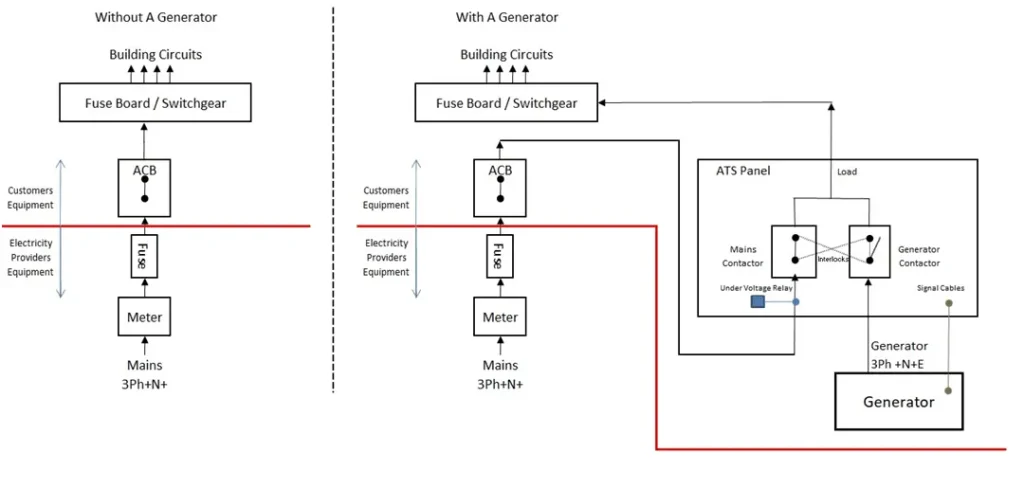
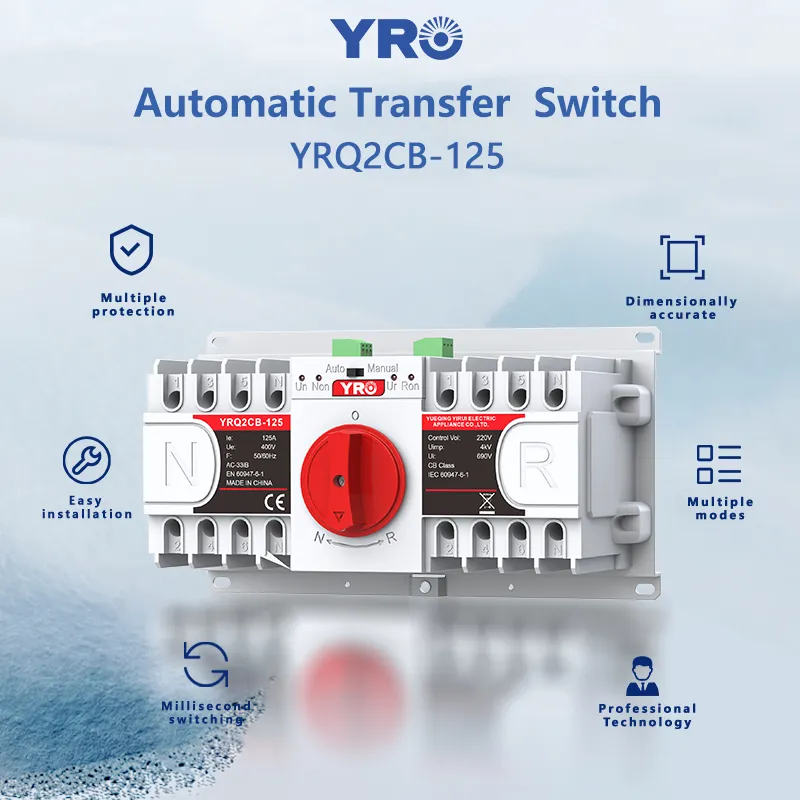
An Automatic Transfer Switch (ATS)is a device that switches power between the main source and a backup generator. It ensures continuous electricity during power outages.
The ATS monitors the voltageof the main power supply. If the voltage drops or fails, it signals the generator to start. Once the generator produces stable power, the ATS switches the load to it.
The roleof an ATS in power systems is crucial:
- Prevents power interruptions to important devices
- Automatically manages power source switching
- Protects electrical equipment from sudden power changes
- Ensures safety by isolating power sources

Credit: forumelectrical.com
Tools Needed For Voltage Check
Choosing the right multimeteris key for checking ATS voltage. Pick one that measures AC and DC voltagewith good accuracy. A digital multimeter with a clear display is easier to read. Make sure the multimeter supports the voltage range of your generator ATS.
Using proper safety gearprotects you during the voltage check. Wear insulated glovesto avoid electric shock. Safety glasses help protect your eyes from sparks. Always work in a dry area and use insulated tools for extra safety.
Preparing For Voltage Measurement
Before checking the ATS voltage, ensure the generator and ATS power are off. This step is vital for safety. Use a lockout/tagoutsystem to prevent accidental power on. Wear insulated glovesand use tools with insulated handles.
Finding the ATS terminals is importantto measure voltage correctly. Terminals are usually inside the ATS control panel. Open the panel cover carefully. Terminals are often labeled as Line 1, Line 2, Line 3, or similar. Use the panel diagram if available to locate them.

Credit: www.duthiepower.com
Step-by-step Voltage Check
Start by setting your multimeter to measure AC voltage. Ensure the multimeter probes are in the correct ports. The black probe goes to the commonport, and the red probe goes to the voltageport. Make sure the multimeter is working properly before testing.
To measure voltage at the ATS, carefully connect the probes to the input terminalsof the ATS. These terminals are where the power source connects. Hold the probes steady and read the voltage on the multimeter screen. Repeat the process for the output terminalsto check generator voltage.
| Voltage Range (Volts) | What It Means |
|---|---|
| 0 – 10 | No or very low voltage, likely no power |
| 110 – 130 | Normal voltage for many generators |
| Above 130 | Voltage is high, check for possible issues |
| Fluctuating readings | Possible loose connection or faulty ATS |
Troubleshooting Common Issues
No voltage readingon the ATS can mean a few issues. Check if the generator is running and producing power. Ensure all connections are tight and clean. A blown fuse or tripped breaker might block voltage flow. Using a multimeter, test the input and output terminals carefully. If no voltage shows, the ATS or wiring may be faulty. Sometimes, dirt or rust on contacts stops voltage transmission.
Fluctuating voltagecan cause problems for devices. This often happens if the generator load is unstable or too high. Loose wires or bad connections may cause voltage drops. The ATS itself might have worn contacts or a weak relay. Using a voltmeter, watch the voltage as the generator runs. Steady voltage should stay close to the rated value. If voltage swings a lot, check wiring, load, and ATS parts for damage or wear.
Credit: www.yroenergy.com
Maintenance Tips For Ats
Regular inspection keeps the ATS working well. Check the voltage readings often to avoid surprises. Look for any signs of wear or damage on the ATS components. Make sure all indicator lights function correctly. Testing the ATS under load helps find hidden problems early.
Cleaning and tightening connections are key to good ATS health. Dust and dirt can cause poor contact and voltage drops. Use a soft brush or cloth to clean the terminals. Tighten all screws and bolts firmly but gently. Loose connections can lead to sparks or failure.
- Inspect voltage regularly
- Check for damage or wear
- Test ATS under load
- Clean terminals carefully
- Tighten screws and bolts
- Watch for unusual sounds or smells
When To Call A Professional
Signs of ATS malfunctioninclude frequent power interruptions and failure to switch power sources. The ATS may make unusual noises or show error lights. Delays in switching or no power output also indicate issues. Poor voltage readings can cause damage to connected devices.
Safety concernsarise when dealing with ATS problems. Electric shocks and fire hazards increase if the ATS is faulty. Avoid touching the ATS panel or wires without proper tools and knowledge. Always disconnect the power before inspection to stay safe.
Frequently Asked Questions
How Do I Check Ats Voltage On A Generator?
To check ATS voltage, first turn off the generator. Use a multimeter set to AC volts. Measure voltage at the ATS input and output terminals to ensure proper transfer and voltage levels.
Why Is Ats Voltage Monitoring Important?
Monitoring ATS voltage ensures safe power transfer between utility and generator. It prevents equipment damage and power interruptions. Regular checks maintain system reliability and efficiency.
What Tools Are Needed To Measure Ats Voltage?
A reliable digital multimeter is essential for measuring ATS voltage. Ensure it can measure AC voltage accurately. Use insulated probes and follow safety guidelines during testing.
How Often Should I Check My Generator Ats Voltage?
Check your generator ATS voltage every 3 to 6 months. Regular inspections detect issues early, ensuring smooth operation during power outages.
Conclusion
Checking your generator ATS voltage is simple and important. It helps keep your power system safe and working well. Always use the right tools and follow safety steps. Regular checks can prevent problems before they start. Stay calm and take your time while testing.
Remember, a small effort now saves big trouble later. Keep your generator ready for any power need. Safety first, always.