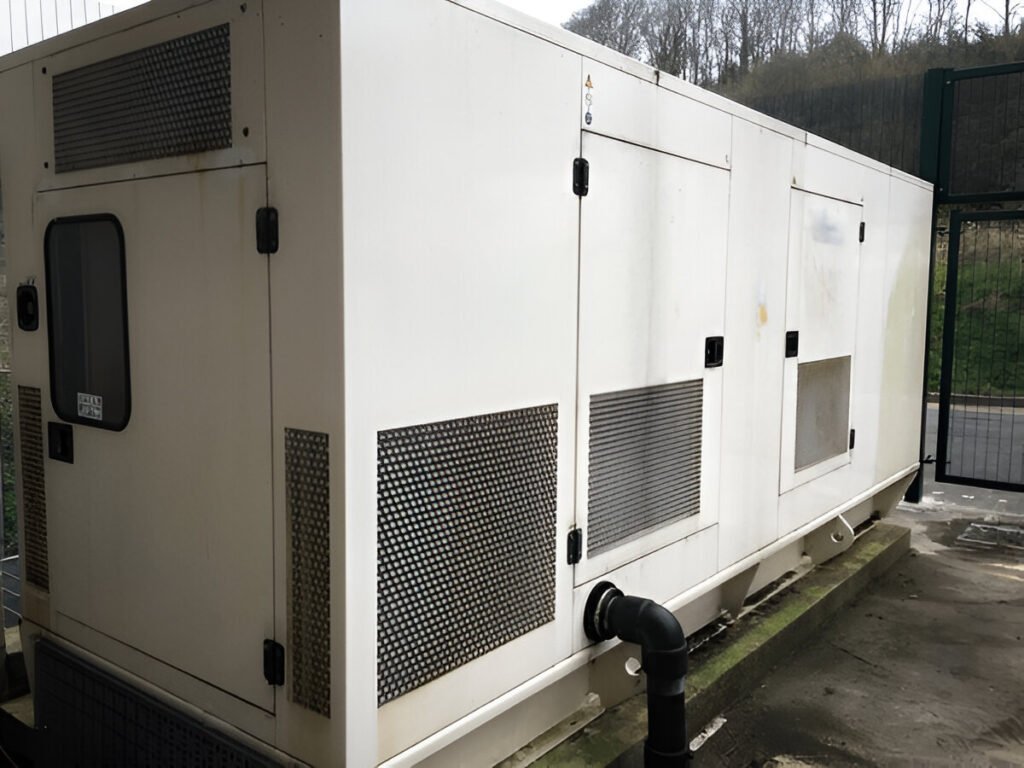
Is your generator enclosure properly ventilated? Ensuring adequate ventilation is crucial for the efficient and safe operation of your generator.
You might be wondering why this matters so much. Poor ventilation can lead to overheating, decreased performance, and even hazardous situations. That’s why it’s essential to know how to check your generator enclosure ventilation effectively. You’ll discover simple, actionable steps to assess and improve your generator’s ventilation.
By doing so, you’ll not only extend the life of your equipment but also safeguard your investment and ensure your peace of mind. Stay with us, and let’s make your generator as efficient and safe as it can be.

Credit: customskirting.com
Importance Of Proper Ventilation
Proper ventilationhelps keep the generator cool and safe. It stops heat and fumes from building up inside the enclosure. Good airflow also protects the generator parts from damage.
Poor ventilation can cause overheating. This may lead to engine failure or fire risks. It also makes the generator work harder, which can reduce its life span.
Safety issues include toxic gas builduplike carbon monoxide. This gas can be deadly if not vented out well. Proper ventilation keeps both people and equipment safe.
Identifying Ventilation Requirements
Check the size and placement of vents to ensure proper airflow in the generator enclosure. Measure airflow rates and confirm they meet manufacturer guidelines. Inspect for blockages that might reduce ventilation efficiency.
Manufacturer Guidelines
Check the generator manualfor clear ventilation instructions. Each model needs a certain amount of airflowto work safely. Look for details on vent size, location, and minimum clearances. Follow these rules to avoid overheatingor damage. The manufacturer often lists the required air volumein cubic feet per minute (CFM).
Local Regulations
Local codesmay affect how you ventilate the enclosure. These rules protect people and property. Check with your city or county office for any ventilation laws. Some areas require specific vent typesor sizes. Others limit noise or emissions. Make sure your setup meets all local safety rulesto avoid fines or hazards.
Tools Needed For Inspection
Basic equipment includes tools that are easy to find and use. A flashlighthelps check dark corners inside the enclosure. A measuring tapemeasures ventilation openings. A screwdriverallows opening panels for a closer look. A notebook and penhelp record observations quickly.
Advanced tools make the inspection more accurate. An anemometermeasures airflow speed through vents. A thermal cameradetects hot spots or blockages. A gas detectorchecks for harmful fumes in the enclosure. Using these tools ensures a safer and better ventilation check.
Credit: www.powerequipmentforum.com
Visual Inspection Steps
Check the air intakeand exhaust openingsfor any blockages.
Clear away leaves, dirt, or debris that may reduce airflow.
Make sure the intake vents are not covered or closed.
Inspect the filtersto see if they are dirty or clogged.
Clean or replace filters to keep air moving freely.
Look at the louversfor damage or rust that can limit ventilation.
Louvers should open and close easily without obstruction.
- Remove any dust buildup on louvers.
- Check for bent or broken parts.
- Ensure proper sealing to avoid leaks.
Measuring Airflow
Anemometers help measure the airflow speedinside the generator enclosure. Hold the device near the ventsto get accurate readings. This shows how much air moves through the space.
To assess air exchange rates, calculate the volume of air entering and leaving. Use the formula:
| Parameter | Description | Unit |
|---|---|---|
| Airflow Speed (V) | Measured by anemometer | m/s |
| Vent Area (A) | Size of vent opening | m² |
| Air Exchange Rate (Q) | Airflow volume per second | m³/s |
The formula for air exchange rate is Q = V × A. This helps check if ventilation is enoughfor cooling. Good airflow prevents overheatingand keeps the generator running well.
Credit: www.powerequipmentforum.com
Common Ventilation Issues
Blockageslike leaves, dirt, or debris can stop air flow in the generator enclosure. This causes the engine to overheatand may lead to damage. Check vents and louvers for any obstructions. Clear them to keep air moving freely.
Corrosionor rust on metal parts can weaken the enclosure and block air paths. Look for rust spotsor damaged areas. Fix or replace these parts to keep the enclosure safe and well ventilated.
| Issue | Effect | Solution |
|---|---|---|
| Blockages | Air flow stops, engine overheats | Remove debris, clean vents |
| Corrosion | Weakened structure, blocked air paths | Repair or replace damaged parts |
Maintenance Tips
Cleaning generator enclosure ventshelps keep air flowing well. Dust and debris block airflow. Use a soft brush or cloth to remove dirt. Avoid water or harsh chemicals. Check vents for rust or damage. Fix any problems quickly to prevent bigger issues.
Set a regular inspection schedule. Check vents at least once a month. Look for signs of clogging or wear. Note any changes from the last check. Keep a record of inspections and cleaning dates. This helps track vent condition over time.
When To Call A Professional
Signs of severe problemsinclude strange noises, smoke, or overheating. Poor airflow can cause damage. If you see rust or water leaks, the enclosure may be compromised. Foul smells or unusual vibrations also indicate issues. These signs mean immediate attentionis needed.
Finding qualified technicians is important for safety and repair quality. Choose professionals with experience in generator enclosures. Verify their licenses and ask for references. A good technician will inspect ventilation and fix problems properly. Don’t wait too long; prompt repair can prevent bigger issues.
Frequently Asked Questions
How Do I Inspect Generator Enclosure Ventilation?
Check for clear airflow paths and no blockages in vents. Inspect vents for debris, rust, or damage that restricts ventilation. Ensure intake and exhaust vents are unobstructed for proper air circulation.
Why Is Proper Ventilation Important For Generator Enclosures?
Proper ventilation prevents overheating and maintains engine efficiency. It reduces moisture buildup, preventing corrosion and damage. Good airflow ensures safe operation and extends generator lifespan.
What Tools Help Assess Generator Enclosure Ventilation?
Use a flashlight to inspect vent interiors for blockages. A smoke pen or airflow meter can visualize or measure air movement. Thermometers can monitor temperature differences inside and outside the enclosure.
How Often Should Generator Enclosure Ventilation Be Checked?
Check ventilation at least every six months or after severe weather. Frequent inspections ensure vents stay clear and functioning. Regular maintenance prevents ventilation-related generator failures.
Conclusion
Checking your generator enclosure ventilation keeps your equipment safe and working well. Good airflow stops overheating and extends generator life. Regular checks help spot blockages or damage early. Clean vents and clear debris often for best results. Simple steps protect your investment and prevent costly repairs.
Keep your generator running smoothly by watching ventilation closely. Small efforts now save big problems later. Stay safe and ensure power when you need it most.