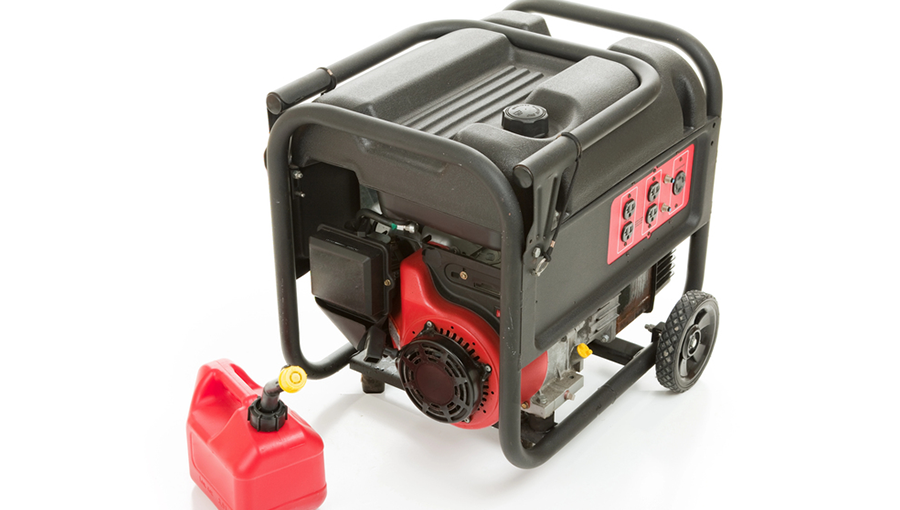
Are you confident that your generator is ready to power up when you need it the most? Imagine a storm hits, and suddenly, you’re left in the dark because your generator won’t start.
The culprit? Low oil levels. Checking your generator’s oil might seem like a small task, but it’s crucial for ensuring smooth operation and longevity. By understanding how to check the oil level, you not only protect your investment but also guarantee peace of mind during unexpected outages.
Dive into this guide, and discover how a simple check can save you from a world of inconvenience. Your future self will thank you for it.
Why Check Oil Level Matters
Checking the oil levelin your generator is very important. Low oil can cause engine damage. Without enough oil, parts rub and wear out faster. This can lead to costly repairs.
Good oil levels keep the generator running smoothly. It helps the engine work at its best power. This means the generator will last longer and work better when needed.
Safetyis also a key reason to check oil levels. An engine without enough oil can overheator stop suddenly. This could be dangerous if the generator is running important equipment.
Credit: www.thervgeeks.com
Tools Needed
To check the generator oil level, a few basic toolsare needed. A clean raghelps wipe the dipstick. The dipstickitself is essential for measuring oil levels. A flashlight can be handy in low light. Gloves protect your hands from oil and dirt.
Choosing the right oil keeps the generator running well. Use oil that matches the generator’s manualrecommendations. Usually, SAE 10W-30oil works for most generators. Synthetic oils last longer but cost more. Regular oil changes help avoid damage and maintain power.
Preparing The Generator
Turn off the generator and let it cool for at least 15 minutes. This helps the oil settle for a proper check. Never check the oil while the engine is hot.
Place the generator on a flat, level surface. This ensures the oil level reading is accurate. Avoid sloped or uneven ground to prevent false readings.
- Switch off the engine completely.
- Wait for the generator to cool down.
- Move the generator to a flat area.
- Keep the generator steady and level.
Locating The Dipstick
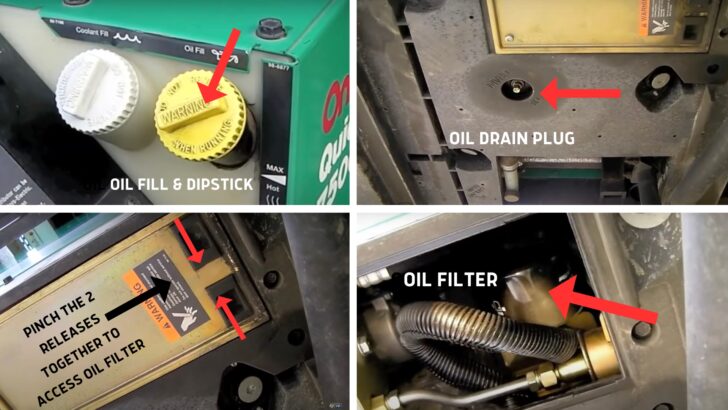
The dipstickis usually a long, thin metal rod with a handle. It helps check the oil level inside the generator. Most dipsticks are easy to spot near the engine.
| Common Dipstick Locations | Description |
|---|---|
| Near the Engine Block | Usually on the side, easy to reach and pull out. |
| By the Oil Fill Cap | Close to where oil is poured in, often marked clearly. |
| Under a Plastic Cover | Sometimes hidden for protection; may need to remove cover first. |
Some dipsticks may be hard to reach. Use a flashlight to see better. Wearing gloves helps keep your hands clean. A small mirror can show hidden spots. Be gentle when pulling the dipstick out to avoid damage.
Checking The Oil Level
First, make sure the generator is off and cool. Pull out the dipstick carefully. Use a clean cloth to wipe off all the oil from it. This step is important to get a clear reading.
Put the dipstick back fully into its tube. Then, pull it out again to check the oil level. Look closely at the markings on the dipstick. These markings show the minimum and maximum oil levels.
| Marking | Meaning |
|---|---|
| Full | Oil level is good, no need to add oil. |
| Low | Add oil soon to avoid engine damage. |
| Below Low | Oil level is too low. Add oil immediately. |
Oil should be between the two marks. Too much or too little oil can harm the generator. If the oil looks dark or dirty, it needs changing.

Credit: www.youtube.com
Adding Or Changing Oil
Check oil levelregularly to keep the generator running well. Add oil when the level is below the full mark on the dipstick. Running a generator with low oil can cause damage to the engine. Use the right type of oil as recommended in the user manual.
Open the oil cap carefully and pour oil slowly. Avoid overfilling the tank to prevent leaks. Use a clean funnel to keep dirt out. Clean any spilled oil immediately for safety.
| Oil Change Basics | Details |
|---|---|
| Change Frequency | After 50-100 hours of use or as per manual |
| Oil Type | Use recommended grade and type only |
| Warm Engine | Change oil when engine is warm for better flow |
| Drain Old Oil | Drain completely before adding new oil |
| Dispose Properly | Recycle used oil at designated centers |
Maintaining Regular Checks
Check the oil level in your generator every time before use. This keeps the engine safe and running well. For most generators, checking oil once a month is best. If used often, check weekly.
Keep a small notebook or use a digital app to record oil checks. Write down the date, oil level, and any changes you see. This helps track when to refill or change oil. It also shows if there might be leaks or problems.
| Check Frequency | Notes |
|---|---|
| Weekly | If generator is used daily or for long hours |
| Monthly | For light or occasional use |
| After Long Storage | Before using generator after months of inactivity |
Troubleshooting Common Issues
Oil level fluctuationscan mean several issues. Sudden drops might signal leaks or oil burning. On the other hand, rising levels could mean fuel or coolant mixing with oil. It’s important to check the oil level when the generator is cool and on a flat surface. Avoid overfilling, as this can cause damage.
Signs of oil contaminationinclude:
- Oil looks milky or frothy, which hints at water or coolant mixing in.
- Dark, gritty oil may mean dirt or metal particles are present.
- Strong burnt smell can show oil breakdown due to heat.
- Low oil pressure warnings might also point to contamination.
Regular oil checks keep your generator running smoothly and extend its life.

Credit: grastengenerators.com
Frequently Asked Questions
How Often Should I Check My Generator Oil Level?
Check your generator oil level before every use or at least once a month. Regular checks prevent engine damage. Frequent monitoring ensures optimal performance and extends generator life.
What Tools Do I Need To Check Generator Oil Level?
You only need a clean rag and the generator’s dipstick. Locate and remove the dipstick, wipe it clean, reinsert, then check the oil level. No complex tools are necessary.
Can I Check Oil Level When The Generator Is Running?
No, always check the oil level when the generator is off and cool. This ensures accurate reading and prevents injury from hot engine parts.
What Is The Correct Oil Level On A Generator Dipstick?
The correct oil level is between the “Full” and “Add” marks on the dipstick. Never let it fall below the minimum to avoid engine damage.
Conclusion
Checking the generator oil level keeps your machine running well. Regular checks help spot problems early. Use the right tools and follow safety steps. Keep the oil clean and at the correct level. This simple habit saves time and money on repairs.
Stay safe and make your generator last longer. Small efforts now lead to big benefits later. Keep your generator ready for any power need.