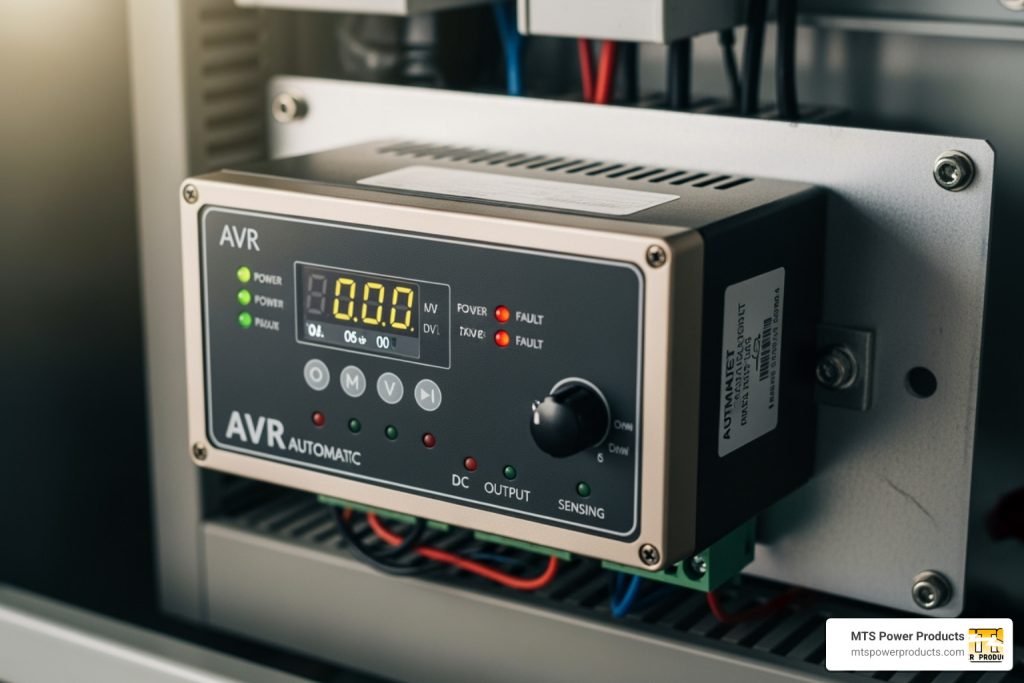
Are you worried about your generator not performing at its best? Ensuring the voltage stability of your generator is crucial for the safety and efficiency of your equipment.
Picture this: you’ve invested in a reliable generator to provide backup power during outages, but without proper voltage stability, you risk damaging your appliances and devices. You want peace of mind, knowing your power source won’t fail when you need it most.
In this guide, you’ll discover simple and effective steps to check your generator’s voltage stability, keeping your power supply reliable and your home or business protected. Ready to take control of your power stability? Let’s dive in!

Credit: americasgenerators.com
Basics Of Generator Voltage
Generators produce two main voltage types:AC (Alternating Current)and DC (Direct Current). Most generators supply AC voltage, which changes direction periodically. This type is used in homes and industries. DC voltageflows in one direction and is common in batteries and small devices.
Voltage stability means the voltage stays steady and safeduring operation. If voltage changes too much, it can harm machines and cause power failures.
- Load changes:Sudden changes in how much power is used affect voltage.
- Generator condition:Wear and tear can cause voltage drops.
- Fuel quality:Bad fuel can lower generator performance.
- Temperature:Hot or cold weather can change voltage output.
- Wiring issues:Loose or damaged wires cause voltage instability.
Tools For Measuring Voltage
Digital multimetersare handy tools to measure voltage accurately. They show numbers on a screen. Easy to carry and use for quick checks. They can also test current and resistance.
Oscilloscopesdisplay voltage over time as a wave. This helps see how stable the voltage is. Useful for detailed checks and spotting sudden changes. They need some skill to read but give clear results.
Voltage testersare simple devices that tell if voltage is present. They often light up or beep. Good for fast safety checks but do not give exact numbers.
| Tool | Use | Best for |
|---|---|---|
| Digital Multimeter | Measures voltage, current, resistance | Accurate voltage reading |
| Oscilloscope | Shows voltage as wave over time | Voltage stability and wave shape |
| Voltage Tester | Detects presence of voltage | Quick safety checks |
Step-by-step Voltage Check
Before checking voltage, ensure the generator is offand cool. Clear the area around the generator to avoid accidents. Use insulated glovesand tools for safety. Connect the voltmeter leads carefully to the generator terminals. Make sure the connections are secure and correctto avoid wrong readings.
Turn on the generator and let it run for a few minutes. Watch the voltmeter display for a steady reading. Record the voltage shown on the meter. Check the voltage at different loadsto see if it stays stable. If voltage varies a lot, the generator may need maintenance or repair.
Common Voltage Stability Issues
Overvoltagehappens when the voltage goes above the normal level. This can be caused by faulty voltage regulators, sudden load drops, or lightning strikes. It may damage electrical devices and reduce their lifespan.
Undervoltageoccurs when the voltage drops below the required level. Common causes include heavy electrical loads, loose connections, and transformer issues. It can lead to poor equipment performance and frequent shutdowns.
Voltage fluctuationscause instability in power supply. These changes may come from switching large motors on or off, unstable power grids, or faulty wiring. Effects include flickering lights, equipment malfunction, and increased wear and tear.
Expert Tips For Accurate Measurement
Accurate voltage measurement needs calibrated instruments. Regular calibration ensures tools give correct readings. Calibration should match the manufacturer’s standardsto keep accuracy high.
Environmental factors like temperatureand humidityaffect voltage readings. Avoid measuring in places with extreme conditions. Use shieldingto protect instruments from dust and moisture.
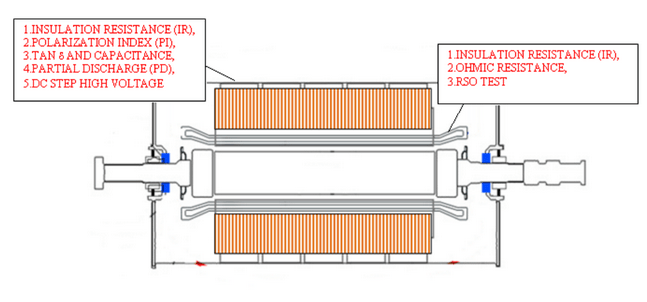
Regular maintenance of generators and instruments is key. Check cables and connections for any wear or damage. Clean instruments often to avoid dust buildup. Replace parts that show signs of corrosionor loose contacts.
Credit: scopetnm.blog
Interpreting Voltage Readings
Normal voltage rangefor most generators is between 110V and 130Vfor single-phase and 190V to 240Vfor three-phase systems. Readings within this range mean the generator is stable and working well.
Voltage readingsbelow or above this range can cause damageto connected devices. It may also signal a problemwith the generator’s output or load.
- Take action if voltage is consistently low or high.
- Check generator load and wiring for faults.
- Turn off the generator if voltage varies widely.
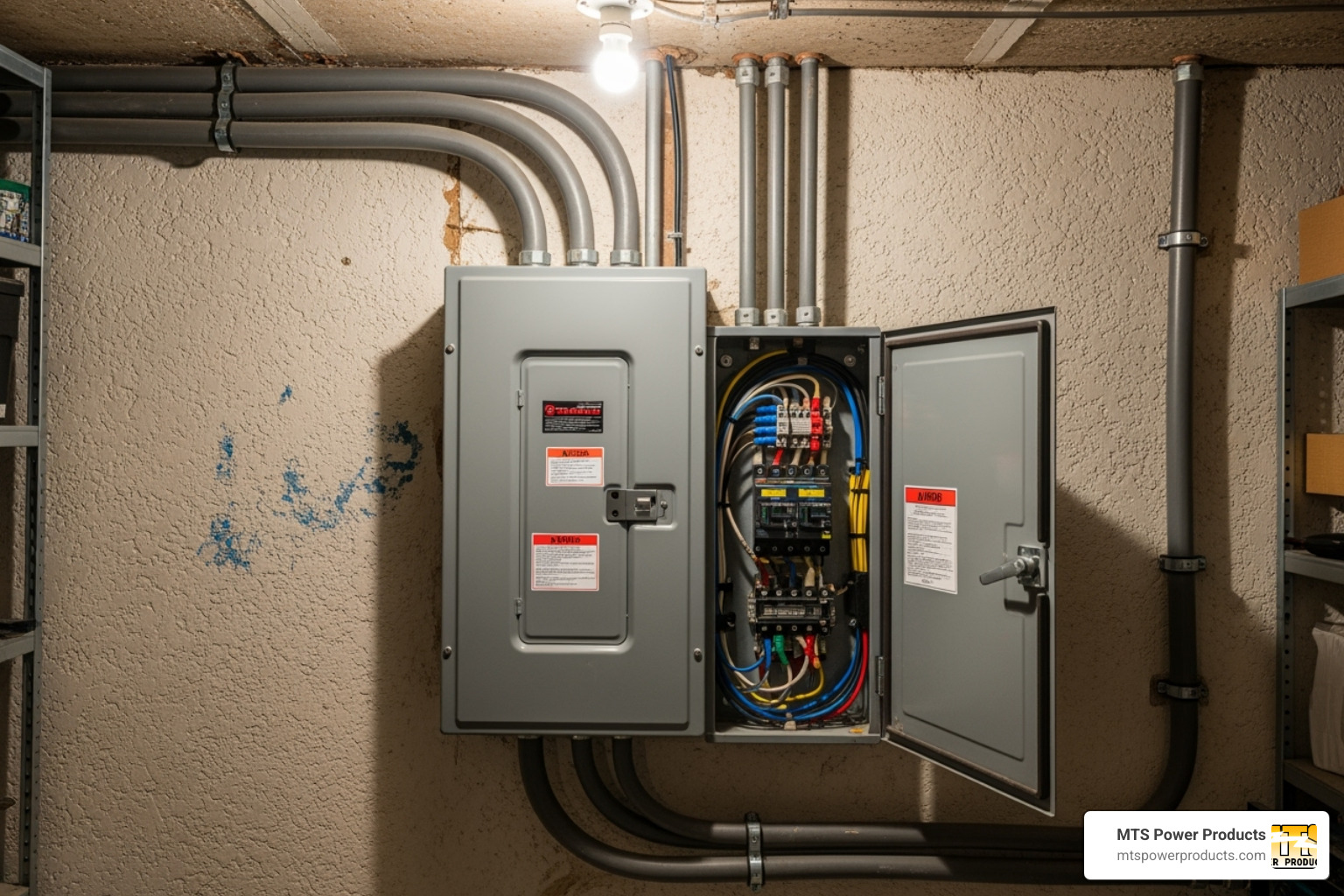
Professional helpis needed when voltage issues persist after basic checks. Experts can test and fix internal partssafely. Do not ignore persistent voltage instability.
Credit: mtspowerproducts.com
Frequently Asked Questions
How Do I Measure Generator Voltage Stability?
Use a digital voltmeter or multimeter to measure the output voltage. Check readings under different loads to ensure consistent voltage levels. Stable voltage indicates proper generator function and electrical safety.
Why Is Generator Voltage Stability Important?
Voltage stability prevents damage to appliances and ensures efficient power supply. Unstable voltage can cause equipment failure and costly repairs. Maintaining stability improves generator lifespan and performance.
What Factors Affect Generator Voltage Stability?
Load fluctuations, fuel quality, and generator maintenance impact voltage stability. Overloading or poor maintenance causes voltage drops or spikes. Regular checks and balanced loads help maintain steady voltage output.
How Often Should Generator Voltage Be Checked?
Check voltage stability during every use or at least monthly for standby generators. Frequent monitoring helps detect issues early and prevents electrical failures. Consistent checks ensure safe and reliable generator operation.
Conclusion
Checking generator voltage stability helps keep power running smoothly. Regular tests catch issues before they cause problems. Use simple tools and follow clear steps for best results. Stable voltage means safer, more reliable electricity for your needs. Stay consistent with checks to protect your equipment and avoid surprises.
Remember, small efforts today save big troubles tomorrow. Keep your generator steady and your power steady too.