Are you curious about how much energy your solar panels are producing? Understanding solar unit generation is key to ensuring your investment is working efficiently and saving you money.
Imagine being able to track your solar power output effortlessly. This knowledge not only empowers you to optimize your energy consumption but also helps you make informed decisions about your energy usage. By the end of this article, you’ll gain confidence in checking your solar unit generation, ensuring you’re getting the most out of your solar setup.
Dive in and unlock the secrets to maximizing your solar power potential!

Credit: www.facebook.com
Understanding Solar Unit Generation
Solar panels capture sunlight and turn it into electricity. This electricity is measured in units called kilowatt-hours (kWh). Each solar panel has a specific capacity, often measured in watts. Knowing how many watts your panel can produce is important. It helps you calculate the total energy output.
Check your solar panel’s specifications. Find the wattage rating. Multiply the wattage by the number of hours of sunlight. This gives you the potential energy generation in kWh. Keep in mind that weather affects sunlight. Clouds can reduce energy production.
Use a monitoring system to track solar energy generation. Many systems show real-time data. They help you see how much energy is being produced. Monitoring systems can alert you to problems. This ensures your solar setup runs smoothly.

Credit: shopsolarkits.com
Tools For Measuring Output
Check solar unit generation using specialized meters that track energy output. Analyze data from solar monitoring apps for insights. Regular checks ensure optimal performance and efficiency.
Smart Meters
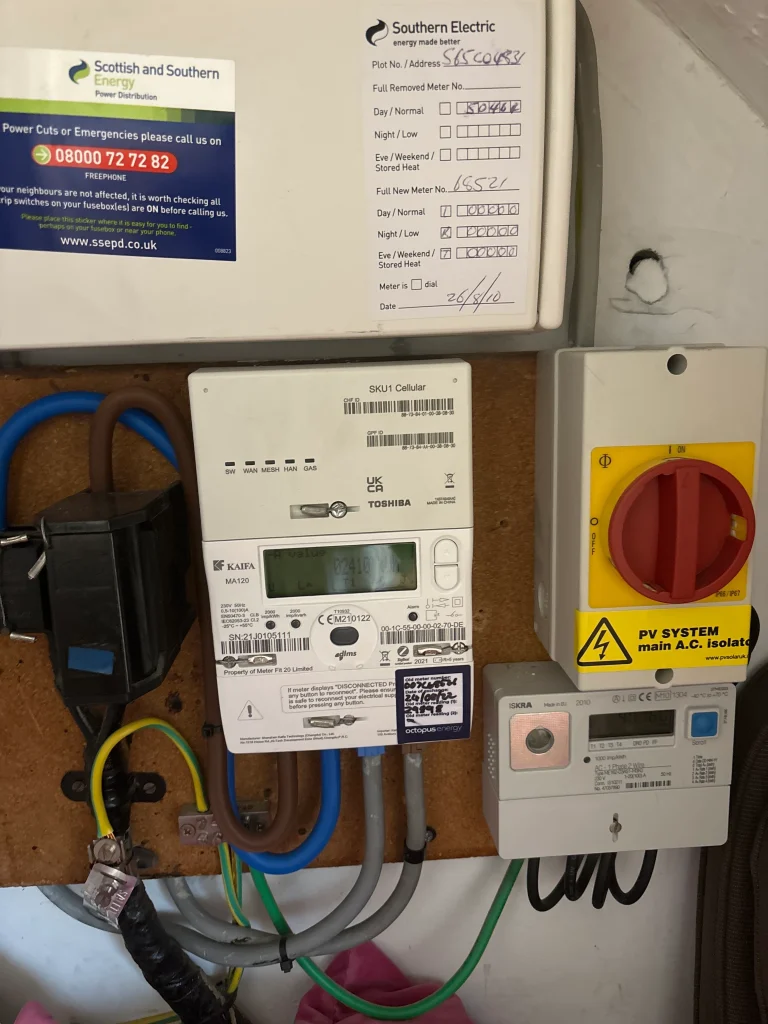
Smart meters help track solar energy. They measure how much energy you use and produce. These meters send data to your phone or computer. This helps you see your solar power daily. Smart meters are easy to use. Many homes have them now. They also help save on electric bills. By knowing your energy use, you can use less. This means more savings. Smart meters are good for the environment too. They help reduce energy waste.
Data Loggers
Data loggers record solar energy over time. They store data like a diary. You can see how much energy your solar panels make. This helps in checking the solar unit generation. Data loggers are useful for long-term tracking. They help find patterns in energy use. You can fix problems early with this data. Data loggers are simple to use. Just connect them to your system. They work quietly in the background.
Assessing Efficiency
Checking solar unit generation involves monitoring output through inverter displays or software apps. Regularly compare energy production against expected values to ensure optimal performance.
Performance Ratio
The performance ratiotells how well your solar system works. It shows the energy your system makes compared to its capacity. A higher performance ratio is better. This means your solar panels are working well. To find it, divide actual energy by expected energy. Multiply the result by 100. This gives you a percentage. Aim for a high percentage. It shows good performance.
Capacity Factor
The capacity factormeasures the actual output of a solar unit. It compares this to its potential output if it ran all the time. Calculating it involves dividing actual energy by maximum possible energy. Then, multiply by 100 to get a percentage. A high capacity factor means efficient solar panels. It indicates they produce lots of energy.
Monitoring Systems
Checking solar unit generation involves using a monitoring system to track energy output. These systems offer real-time data, showing how much electricity your solar panels produce. Access this information through mobile apps or web platforms for easy analysis and optimization.
Remote Monitoring
Remote monitoring allows you to check solar unit generation from afar. It uses the internet to send data to your devices. You can use a computer, tablet, or smartphone. This way, you always know how much energy is produced. Alerts can notify you if something is wrong. This helps in fixing problems quickly. Remote systems are very handy and save time.
On-site Monitoring
On-site monitoring requires you to check the solar unit at the location. This method uses a display panel connected to the system. The panel shows real-time data on energy production. It is very accurate but needs someone to be there. Some systems store data for later review. On-site monitoring doesn’t need internet but requires regular visits.
Analyzing Weather Impact
Analyzing weather impact helps assess solar unit generation effectively. Check solar output by monitoring daily weather conditions. Use solar meters to measure electricity production and compare data to weather patterns for accurate evaluation.
Sunlight Hours
Solar panels need sunlightto create power. Check the daily sunlight hours. More sunlight means more power. Less sunlight means less power. You can use weather apps. They show sunlight hours. This helps in checking solar power. Always note the sunlight hours. It is very important.
Temperature Effects
Temperature affects solar panels. Very hot days can reduce power. Panels work best in mild temperatures. Check the weather forecast. It helps in understanding temperature changes. Cool temperatures can increase efficiency. Always keep an eye on temperature. It helps in knowing solar power changes.
Regular Maintenance Checks
Regular maintenance checks for solar units ensure optimal performance and extend their lifespan. Checking solar unit generation involves monitoring output levels and comparing them to expected values. Use a solar monitoring system or check inverter displays to track daily energy production.
Panel Cleaning
Solar panels need to be clean for good energy. Dust and dirt block sunlight. Use water and a soft brush for cleaning. Check for bird droppings too. They can cause damage. Clean panels every few months. This helps with better energy production. Always be gentle to avoid scratches.
Inverter Inspection
The inverter changes solar energy to usable power. Inspect it regularly. Look for error lights. Listen for strange noises. Check cables for wear. Tighten loose connections. Ensure the inverter is cool. Overheating affects performance. Regular checks prevent big problems.
Optimizing Solar Generation
Solar panels need to face the sun. This helps them get more light. Sunlight is strong in the middle of the day. Panels work best when they catch this light. Tilt the panels to match the sun. This angle changes with the season. Check the angle often. Adjust the panels when needed.
Older systems might need new parts. New parts can help panels make more power. Check the inverter. It turns solar power into usable energy. A new inverter can improve performance. Look at the wiring. Good wiring helps power flow easily. Replace old wires if needed.
Using Software Solutions
Checking solar unit generation is simple with software solutions. Access real-time data on solar panels through user-friendly applications. Monitor energy output and efficiency easily on your device.
Energy Management Platforms
Energy management platforms help track solar unit generation. These platforms show real-time data. Users can see how much energy is produced daily. They provide easy charts to understand energy patterns. They alert users about system issues. Users can compare past and present data. This helps in making informed energy decisions. Most platforms are accessible online.
Mobile Apps
Mobile apps let users check solar generation easily. They give updates directly on phones. Apps show daily, weekly, and monthly energy reports. Users can set notifications for low energy production. Apps are user-friendly and often free. They help users manage energy efficiently. Many apps support multiple languages. This makes them accessible to non-native speakers.

Credit: www.saurenergy.com
Frequently Asked Questions
How To Calculate Solar Unit Generation?
To calculate solar unit generation, multiply the solar panel capacity by sunlight hours and efficiency. Ensure you consider factors like location and weather conditions. Use the formula: Total Generation = Panel Capacity (kW) x Sunlight Hours x Efficiency Factor. Accurate measurements boost solar energy production estimates.
How Do I Monitor My Solar Generation?
Use a solar monitoring app or system to track energy production. Install sensors for real-time data. Check the inverter display for basic information. Access online dashboards for detailed insights. Regularly review performance reports to ensure optimal efficiency.
How To Check Solar Generation Online?
Check solar generation online by accessing the solar panel’s monitoring system. Use apps or websites provided by your solar provider. Ensure your system is connected to the internet for real-time data. Regularly check the dashboard for energy production stats and reports.
What Is The Unit Generation Of A Solar Panel?
A solar panel’s unit generation depends on its efficiency, size, and sunlight exposure. Typically, a standard panel produces around 250 to 400 watts per hour. Optimal conditions, such as clear skies and proper installation, enhance energy output. Regular maintenance ensures consistent performance and maximizes electricity generation over time.
Conclusion
Checking your solar unit generation is simple and important. Regular checks ensure your solar system works efficiently. Use meters to track daily energy production. Compare results with expected outputs to spot issues early. Clean panels for better performance. Keep an eye on weather impacts.
A cloudy day might mean less energy. Document generation data for future reference. Stay informed and proactive. This helps maintain your solar system’s health. Reliable energy means cost savings and environmental benefits. Enjoy the rewards of a well-functioning solar setup.
Save money, help the planet, and harness the sun’s power efficiently.