
Choosing an automatic standby generator isn’t just a decision; it’s a way to safeguard your home and peace of mind. Imagine a stormy night or an unexpected power outage—everything goes dark, and you’re left scrambling.
But what if your home was equipped to handle such moments seamlessly? That’s where an automatic standby generator comes into play, ensuring your lights stay on and your appliances run smoothly, no matter what. But how do you choose the right one for your home?
With so many options out there, it can be overwhelming. Don’t worry; we’ve got you covered. By the end of this article, you’ll be equipped with the knowledge to select the perfect generator that fits your needs and budget. Stay with us, and let’s ensure your home is always ready for the unexpected.
Benefits Of Automatic Standby Generators
An automatic standby generatorkeeps your power on without delay. It starts immediatelyduring an outage, so you don’t lose electricity. This continuous power supplyis key for homes and businesses.
Safety is a major benefit. These generators have built-in safety featuresthat protect your home and the generator itself. They avoid problems like overloads and carbon monoxide leaks. This makes them safer than portable generators.
Convenience comes from full automation. The generator starts and stops on its own. No need to run outside or handle fuel. It gives peace of mind knowing your power is managed automatically.
Key Features To Consider
Power output and capacitydetermine how many devices the generator can support. Choose a generator with enough power for your home or business needs. A higher capacity means it can run more appliances at once without shutting down.
Fuel type optionsinclude natural gas, propane, and diesel. Natural gas is convenient if you have a gas line. Propane is easy to store but may need refilling. Diesel generators are powerful but can be noisy and require more maintenance.
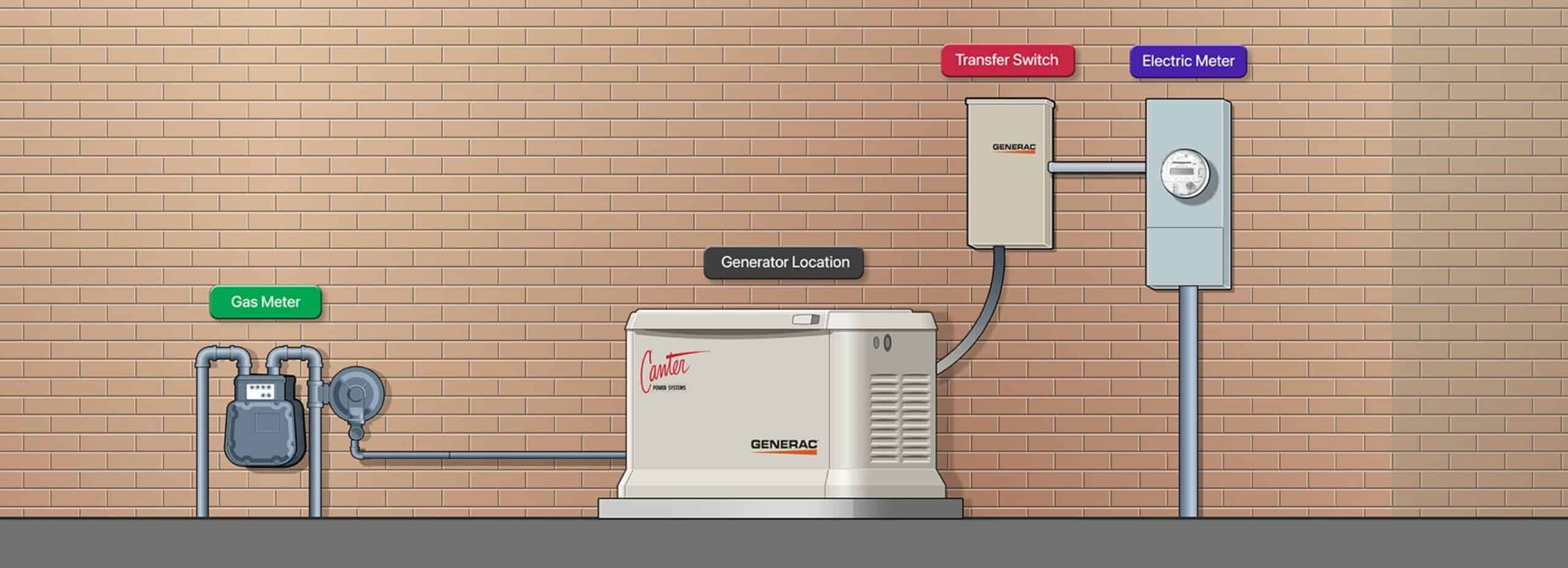
Transfer switch functionalityis important for safe and automatic power changeover. It helps avoid backfeed, which can harm utility workers. A good transfer switch makes the switch seamless and quick, so your power stays on without manual work.
Noise levelsvary by model. Quieter generators are better for neighborhoods or places where noise is a concern. Look for models with soundproofing or low-decibel ratings to keep noise minimal.
Sizing Your Generator
Calculate your total power needsby adding watts of all devices.
Separate appliances into essentialand optional. Essential means things you must keep running, like fridge and lights. Optional items can be turned off during power loss.
- List all essential appliances and their wattage.
- List optional appliances for possible future use.
Consider future expansion plans. Will you add new appliances soon? Choose a generator that can handle a little more than current needs.
| Appliance Type | Power (Watts) | Priority |
|---|---|---|
| Refrigerator | 700 | Essential |
| Lights | 300 | Essential |
| TV | 150 | Optional |
| Air Conditioner | 1500 | Optional |
Pick a generator with wattage above the total of essential appliances. Leave room for future devices.

Credit: www.generac.com
Fuel Types Compared
Natural gasis clean and easy to use. It flows through underground pipes, so no fuel storage is needed. It is usually cheaper but depends on local gas service.
Propaneis stored in tanks outside your home. It burns clean and works well in cold weather. Propane can be stored for a long time, making it good for emergencies.
Dieselis powerful and reliable. It is best for large generators. Diesel fuel must be stored safely and used within a few months to avoid problems.
| Fuel Type | Pros | Cons |
|---|---|---|
| Natural Gas | Clean, no storage needed, often cheaper | Needs gas service connection |
| Propane | Good for cold, long storage, clean burning | Needs tank storage, can be expensive |
| Diesel | Powerful, reliable, good for big generators | Fuel storage issues, needs regular use |
Fuel availabilitycan vary by location. Check what fuel is easy to get near your home. This choice affects cost and generator use.
Installation Requirements
Professional installationensures safety and meets local codes. DIYmight save money but can lead to errors and fines. Experts know the right wiring and setup for your generator.
Most places need permitsbefore installing a standby generator. Check local rules to avoid fines. Permits ensure the generator is safe and legal.
Choose a spot with good ventilation. Generators produce exhaust gases that must leave the area safely. Keep the unit away from windows and doors to avoid gas buildup.
| Installation Aspect | Key Points |
|---|---|
| Professional vs. DIY | Professional ensures safety, meets codes; DIY may risk errors |
| Permits and Regulations | Most areas require permits; check local rules first |
| Placement and Ventilation | Good airflow needed; keep away from windows and doors |

Credit: anrelectricco.com
Maintenance And Lifespan
Routine maintenance keeps your automatic standby generatorrunning well. Check the oil and replace it every few months. Clean or change the air filter to stop dust and dirt. Test the battery and keep it charged. Run the generator regularly to avoid fuel problems. Tighten loose bolts and check for leaks.
- Fuel system clogs
- Battery failure
- Oil leaks
- Corroded connections
- Low coolant level
Extend your generator’s life by storing fuel properly. Keep it in a dry, cool place. Use a fuel stabilizer to avoid bad fuel. Schedule professional check-ups once a year. Replace worn parts on time. Clean the generator’s exterior to prevent rust and damage.
Top Brands And Models
Choosing a reliable brand ensures your standby generator works well during power outages. Popular models offer various power capacities and features to fit different needs. Focus on trusted names known for durability and support.
Popular Manufacturers
- Generac:Known for durability and good customer service.
- Kohler:Offers quiet operation and fast response times.
- Briggs & Stratton:Provides reliable power and easy installation.
- Champion:Good for budget-conscious buyers with solid features.
Model Comparisons
| Brand | Power Output (kW) | Noise Level (dB) | Fuel Type | Price Range |
|---|---|---|---|---|
| Generac Guardian 22kW | 22 | 65 | Natural Gas / Propane | High |
| Kohler 20RESCL | 20 | 63 | Natural Gas / Propane | High |
| Briggs & Stratton 20kW | 20 | 68 | Natural Gas / Propane | Medium |
| Champion 12kW | 12 | 70 | Propane | Low |
Warranty And Support
Warranty lengthvaries from 3 to 5 years. Longer warranties offer more peace of mind.
Check if the company offers free installation helpor support.
Some brands provide 24/7 customer servicefor emergencies.
Look for nearby service centers to get fast repairs.
Credit: canterpowersystems.com
Cost Considerations
Initial purchase pricevaries by generator size and brand. Smaller units cost less but may not power all your needs. Larger units offer more power but come with higher prices. Consider what fits your budget and power needs.
Installation costsinclude labor, permits, and materials. These costs depend on your home setup and local rules. Professional installation is important for safety and warranty.
Operating and maintenance expensescover fuel, oil changes, and regular checks. Natural gas generators often cost less to run than propane or diesel. Regular upkeep helps your generator last longer and work better.
Making The Final Choice
Match the generator’s featuresto your needs. Consider the power outputyou require and the fuel typeavailable. Check if the generator supports automatic startand has transfer switch compatibility. Size and noise level also matter for comfort and space.
Look at reviews and ratingsfrom other users. They reveal real performanceand reliability. Focus on feedback about durabilityand customer service. Trustworthy brands often have better support and parts availability.
Consulting a professionalhelps make a smart choice. Experts can assess your home’s power needsand suggest the best model. They also guide installation and maintenance for safety and efficiency.
Frequently Asked Questions
What Size Automatic Standby Generator Do I Need?
Choose a generator based on your home’s wattage needs. Calculate total power for essential appliances and systems. Oversize slightly to handle startup surges safely. Consult with a professional for accurate sizing and efficiency.
How Does An Automatic Standby Generator Work?
It detects power outages and starts automatically within seconds. It supplies backup power to your home until utility power returns. Once restored, it shuts off and recharges for future use.
What Fuel Options Are Available For Standby Generators?
Common fuels include natural gas, propane, and diesel. Natural gas is convenient and cost-effective for many. Propane offers long shelf life. Diesel provides high power but requires more maintenance.
How Often Should I Maintain My Standby Generator?
Perform maintenance at least once a year or after 200 hours of use. Regular checks include oil changes, filter replacements, and battery inspections. Proper upkeep ensures reliability during power outages.
Conclusion
Choosing the right automatic standby generator means thinking about your home’s needs. Consider power size, fuel type, and budget carefully. Check the brand’s reputation and customer support. Don’t forget to review installation and maintenance costs. A good generator keeps your home safe and comfortable during outages.
Take your time to compare options before deciding. This way, you get the best value and peace of mind. Ready for reliable power? Your perfect generator awaits.